Environmental Health

WA Environmental Atlas

Category: Plants and Animals (Page 1 of 2)

The Timber Industry

Tree Farming and its Effects

Executive Summary:

In the 1800 and 1900’s the logging industry took off in America. Now it is a world-wide big business reaching into Asia, South America and Africa, much to the local peoples’ discontent.  The industry is still very strong, and farming trees is fairly sustainable because trees retain carbon even when cut. But it is unnecessary to continue the business in the modern world because of technological advances and wood alternatives. Here I discuss the timber industry, its impact on the environment and its effect on indigenous peoples. I also search for alternatives to wood such as hemp, and argue for the end of logging.

Full essay found here: Tree Farming PDF (Calibri)

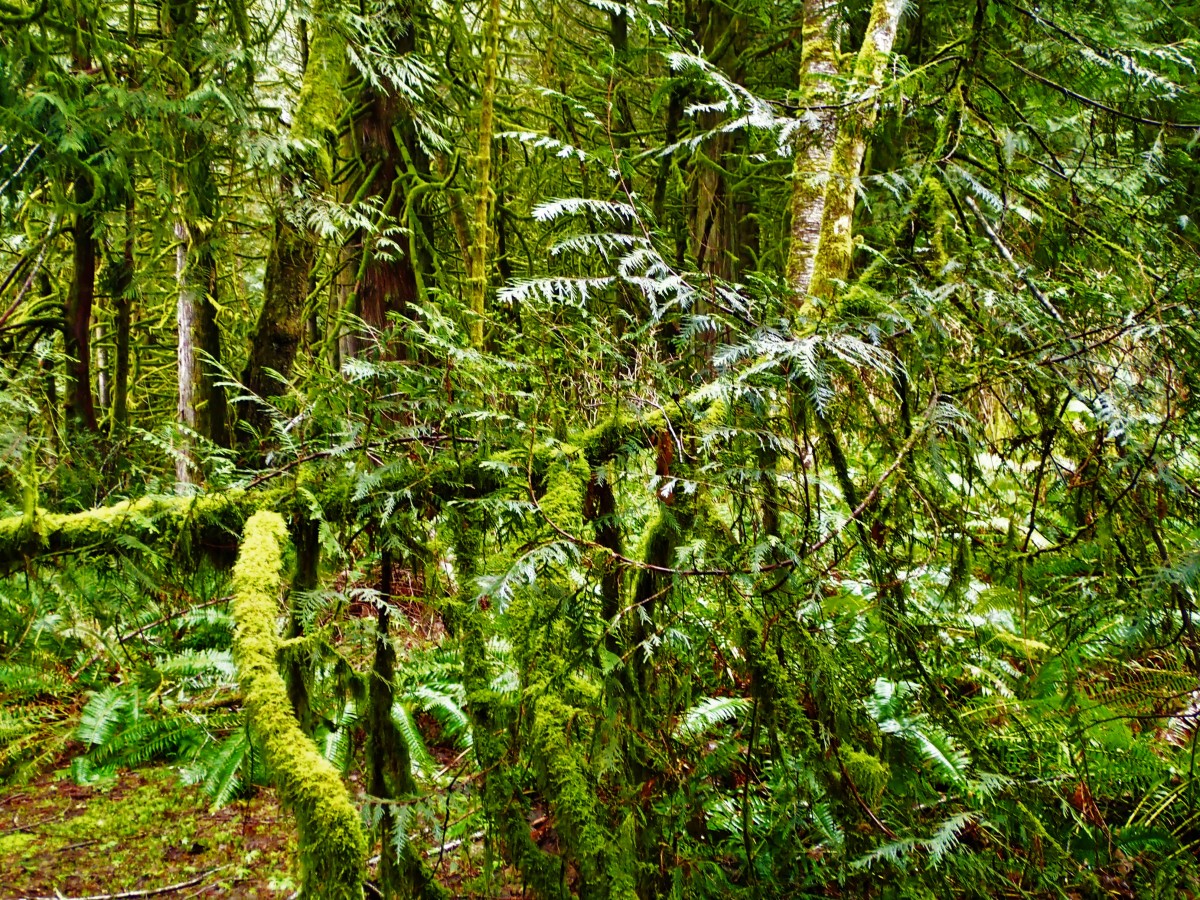
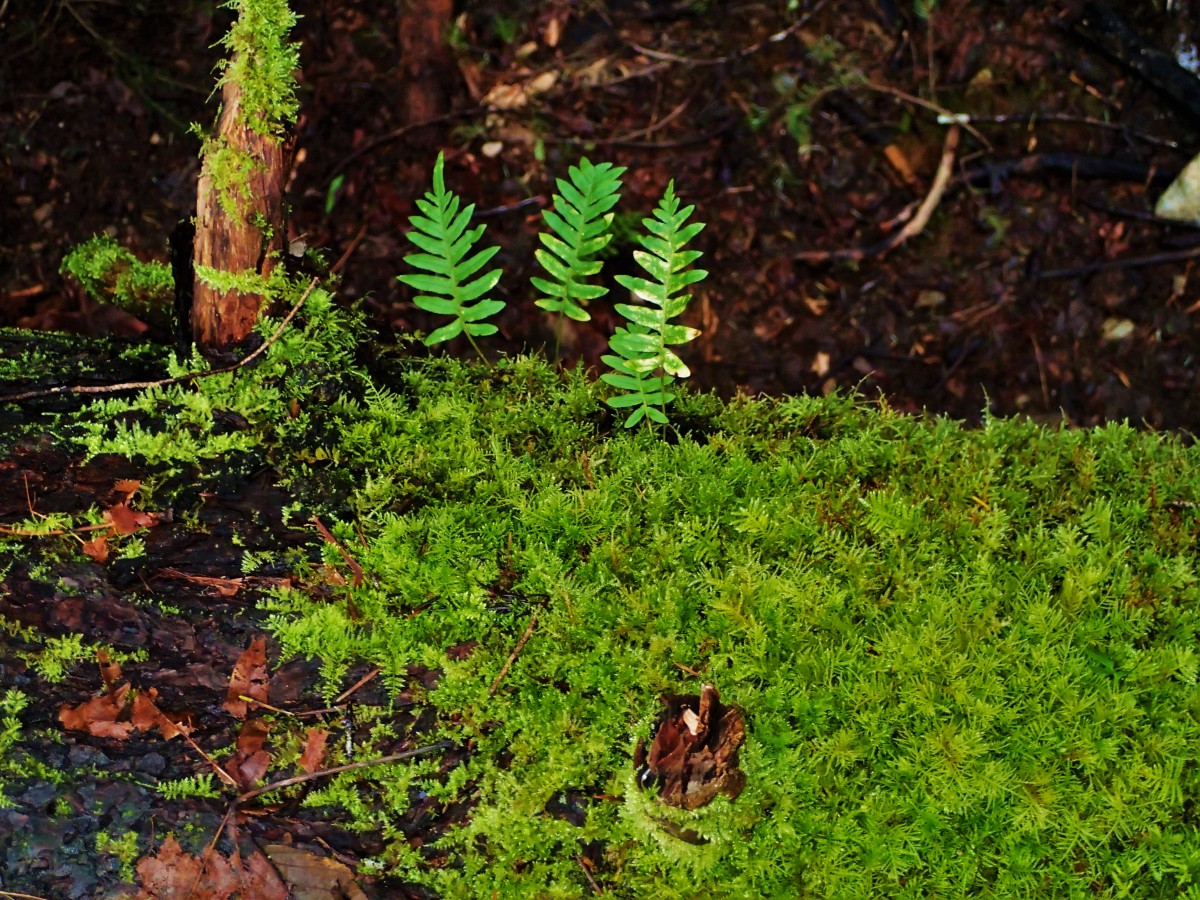
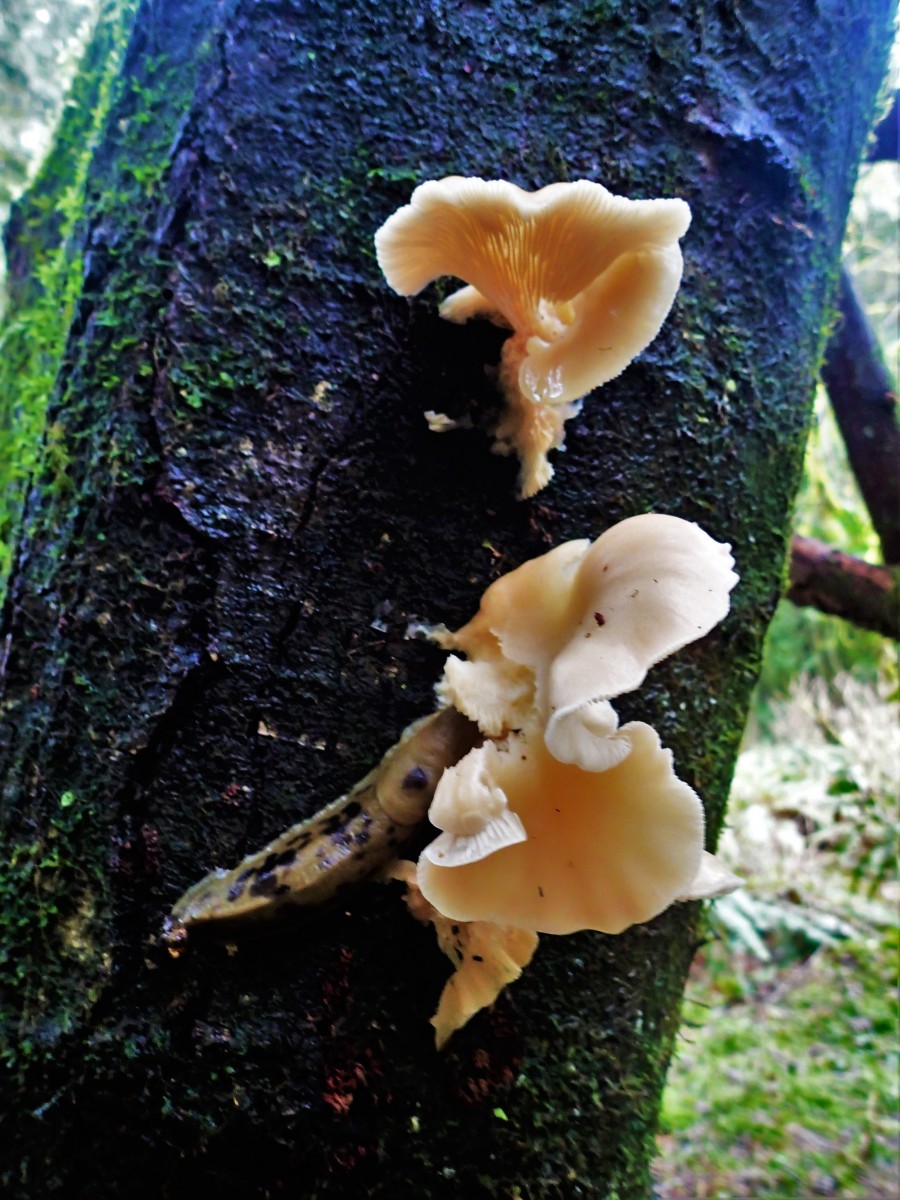
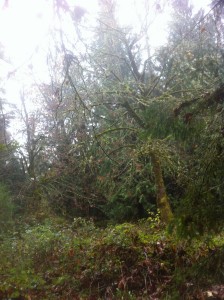
Photo Essay (All shots from T.E.S.C woods)

4

Horizontally growing tree

Ferns and moss on log

Ferns and moss on log

Slug and fungus living on tree

Slug and fungus living on tree

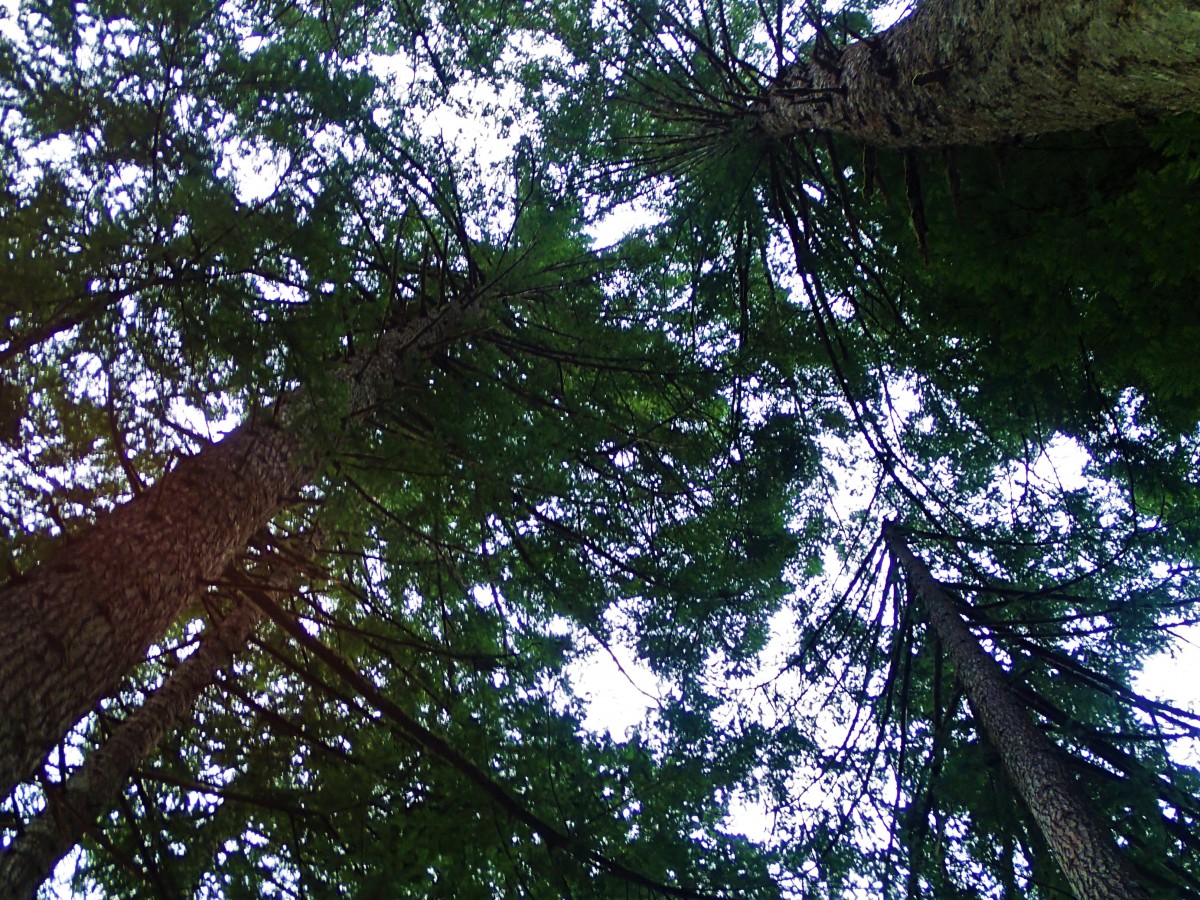
Vertical view of canopy

Vertical view of canopy

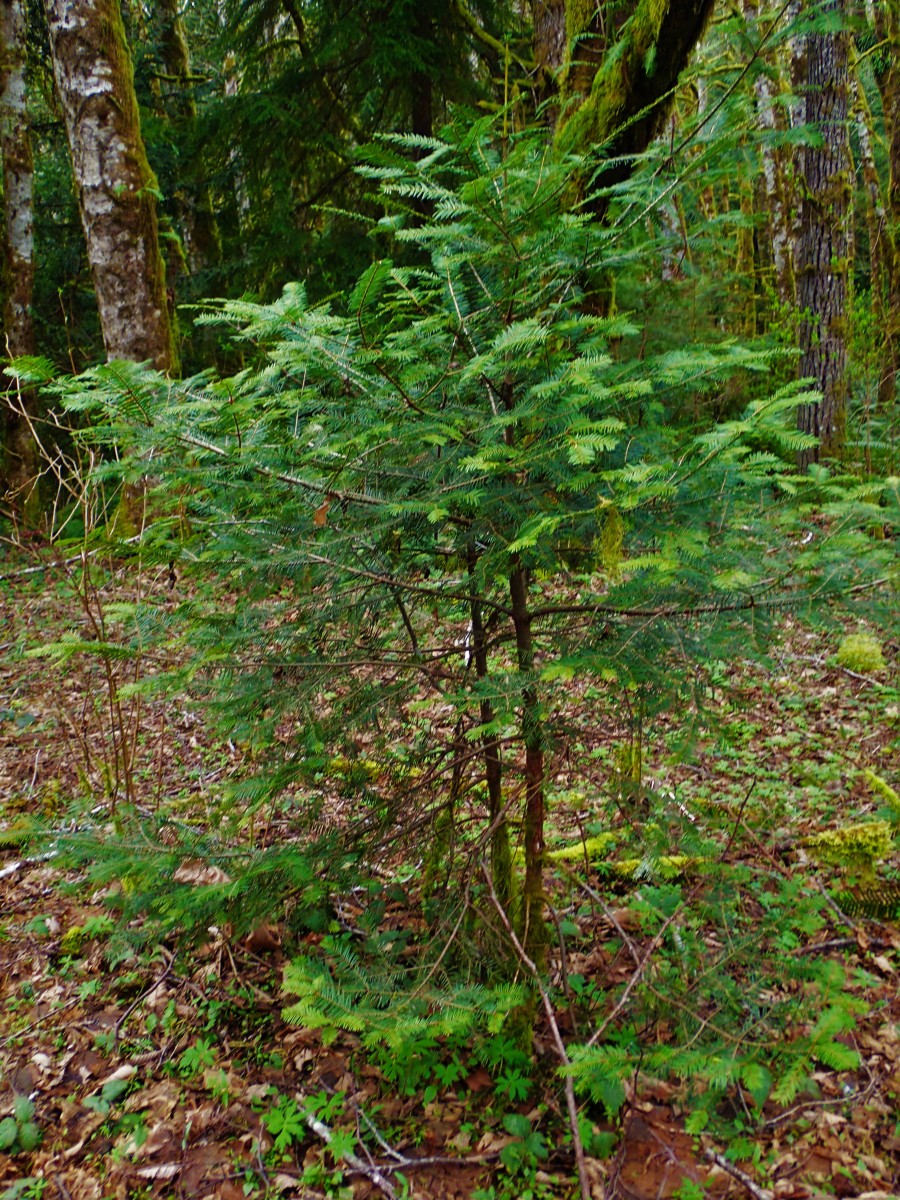
Young tree

Young tree

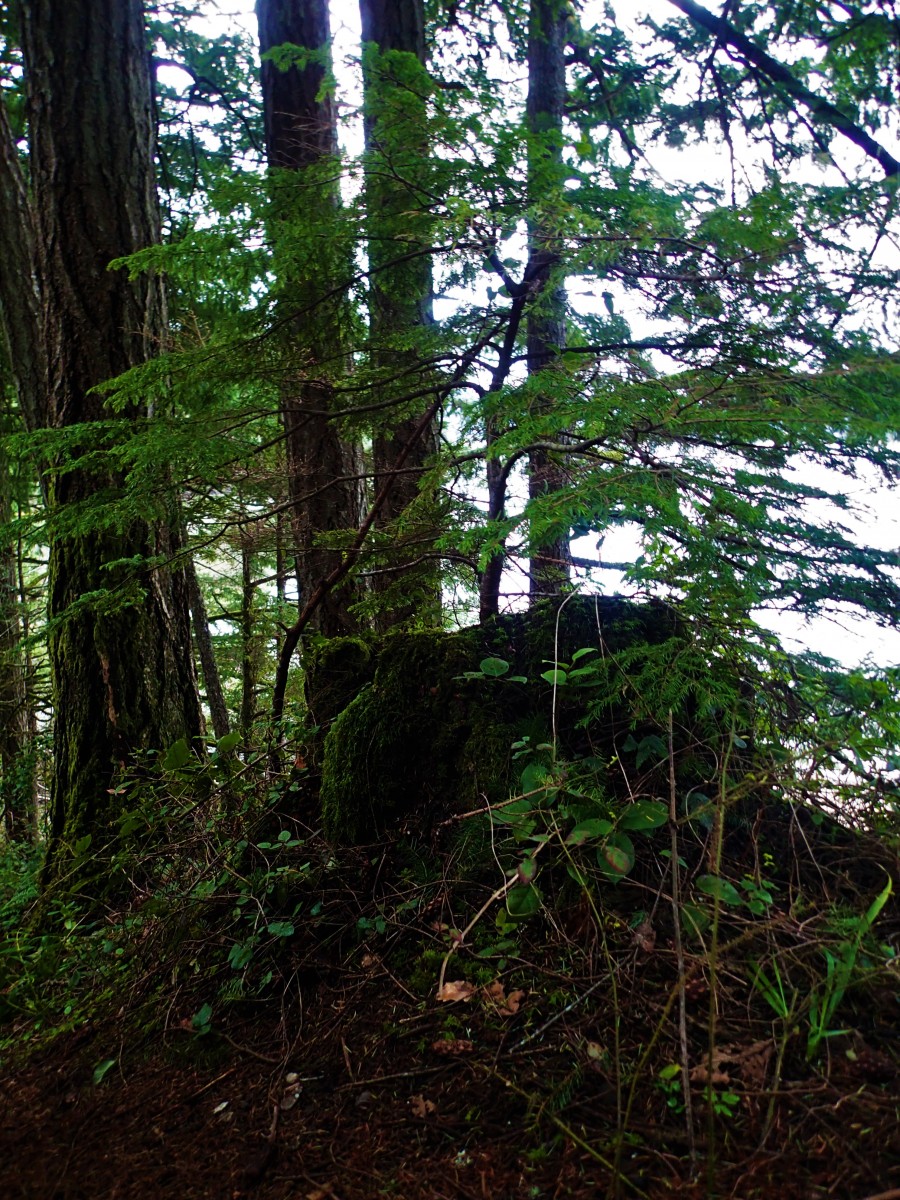
Young tree in nurse log

Young tree in nurse log


Land Use and Climate Change Impact on Insects

Executive Summary:

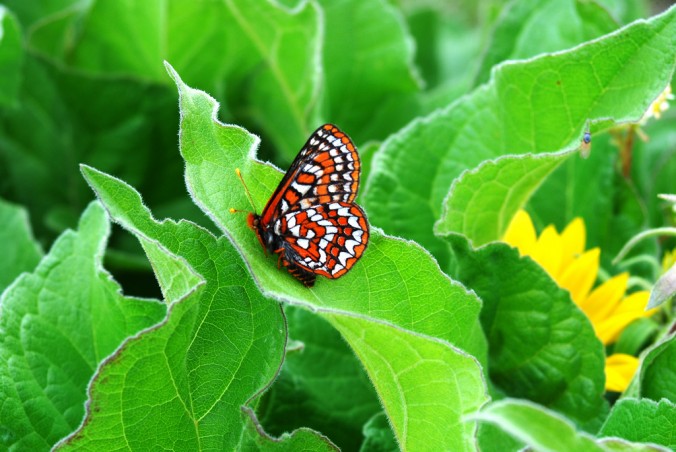
This article describes the impact of land use and climate change on the lives of insects in the Puget Sound. Butterflies are studied by field researchers because their presence is a good indication of a healthy ecosystem for arthropods and surrounding flora. For the purposes of this paper butterflies will be the main example of environmental damage due to land use and climate change. The article will show  butterflies in rural and urban regions of the Puget Sound have decreased in numbers. The the decrease in butterflies corresponds to the decline in health of the surrounding environment. Climate change in the sub alpine region of Mount Rainier National Park will be used as an example of the negative impact on insects. The land development of Thurston County will be used as an example of the negative impact on insects. The combined effects of land use and climate change will be outlined with a suggested response to the issues.


For the Full Report Click Here

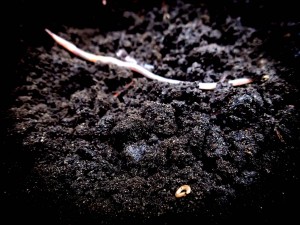
Spring invertebrates

Early spring invertebrates.

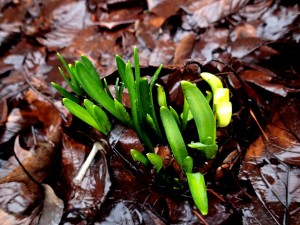
Daffodils coming up earlier than expected.

Daffodils coming up earlier than expected.

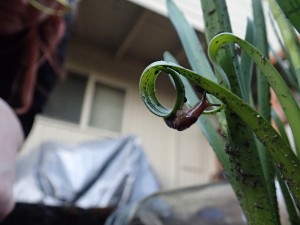
Pollen sources being eaten before being visited by a pollinator.

Pollen sources being eaten before being visited by a pollinator.

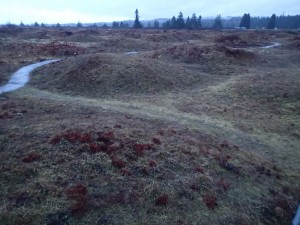
The Mima Mounds Prairie. There is very little prairie land left in the Puget Sound.

The Mima Mounds Prairie. There is very little prairie land left in the Puget Sound.

The Dairy Dynamic: The Relationship between Climate Change and Dairy Farming

Executive Summary:

Climate Change is overtaking our planet faster than we can anticipate as major corporations, industries, as well as individual citizens contribute to our global pollution. Humans, despite their inability to realize the fact, are some of the heaviest polluting animals in the world due to our interests in certain commodities. A majority of humans are conditioned to enjoy using animal products, and this is becoming a problem as climate change develops because animal agriculture is one of the leading causes of emissions of greenhouse gasses not just in the United States, but the entire world. Over 50 billion animals are raised as livestock globally each year, each one emitting waste which must be regulated. A smaller division of animal agriculture, the dairy industry, is one of the key sectors in which there is both a potential for very large yet very regulated emissions. Through proper practice of caring for the livestock and being conservative with the storage and distribution of milk, manure, and biomass, we can begin to make steps in reducing our impact on global climate change.

link to The Dairy Dynamic

Photo Essay:

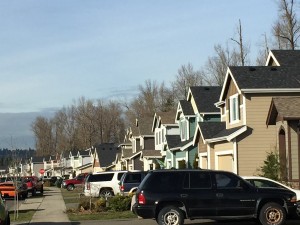
Land Conversion in Orting

Executive Summary

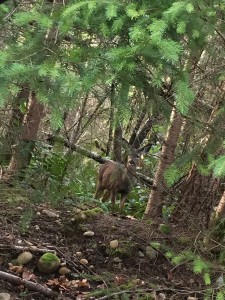
The population in Orting is growing as people are attracted by the small town feel and beautiful scenery of the valley. Housing developments are being built to accommodate the increase in people, and the impervious surfaces that accompany them, combined with tree loss that destabilizes the hillside soil, are increasing the sediment and chemical runoff into the rivers. The increased levels of pollution harm the salmon populations. As the area that humans inhabit grows, forests are cut down and habitat is lost, pushing elk onto agricultural lands, and drawing cougars with them.

View full paper: land-conversion-in-orting

The Plight of Gray Wolves in Washington State: Compromise or Oppression?

The Plight of Gray Wolves in Washington State

Executive Summary

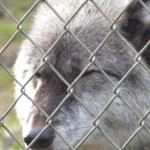
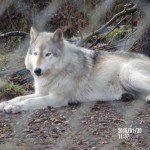
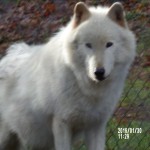
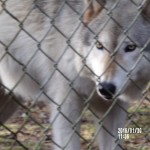
The gray wolf population has been making strides under the Gray Wolf Conservation and Management Plan implemented by Washington State Department of Fish and Wildlife. Their numbers have been steadily increasing. Unfortunately, the increased numbers have caused more interaction between wolves and humans and livestock. The issues that arise pose a serious threat to the wolves. Although there are non-lethal solutions that can be taken to reduce the risk of predation, they are often not taken. Benefit compensation for livestock harm and death have been implemented to reduce the loss suffered by livestock producers. In order for the wolves to survive it is imperative that the livestock producers do their part to take precautionary measures to protect their livestock. Livestock producers can prevent or reduce the chance of such attacks in several ways, including removal of sick, injured, or dead livestock from grazing areas, use of herders and guard dogs, keeping livestock in pens or corrals at night, and delay of livestock turnout on grazing  areas with wolves until after calving. Killing wolves should be the very last resort to control the threat. Non-lethal methods should be implemented and exhausted before turning to lethal methods. The recovery process has shown positive results and delisting the wolves too soon may cause their numbers to dwindle rapidly causing history to repeat itself. This may start the cycle over, causing us to lose ground. There is a need for proactive management.

Full Report Here

Photo Essay


The Dead Zone off the Oregon and Washington Coasts

Executive Summary

Every summer since 2002, an area with low levels of dissolved oxygen, called a “dead zone”, has formed off of the coasts of Oregon and Washington. Dead zones have so little oxygen that they can no longer support most marine life. Dead zones are common occurrences in places with large amounts of industrial or agricultural runoff, but Oregon and Washington do not have significant amounts of pollution in the affected areas. The reason for this dead zone is climate change. As global temperatures rise, wind patterns change and this causes upwelling along the west coast of North America. The upwelling causes algae blooms that cause a hypoxic zone in the region that is deadly to marine life. Ocean acidification also contributes to the problems associated with the dead zone by limiting the ability of certain organisms to repopulate after losses suffered because of hypoxia. The dead zone is a danger to our environment because it destroys marine habitat and causes massive losses to marine life, particularly to lower levels of the food chain that many other species are dependent on for food. The dead zone will also negatively affect the economies of both Washington and Oregon, which are highly dependent on commercial and recreational fishing, wildlife viewing, and other maritime activities. These industries will take significant damage if the dead zone persists or worsens. Currently work is being done at Oregon State University to understand how we can better combat the dead zone and address the problems associated with it; Washington has done very little to research or address the dead zone. What must be done in order to correct the dead zone, or at least keep it from getting worse, is to slow and stop climate change, which is the cause of the dead zone, by limiting greenhouse gas emissions to safe levels and investing in the future of our planet.

Full Report

Photo Essay


Where Have All the Bees Gone?

Executive Summary:

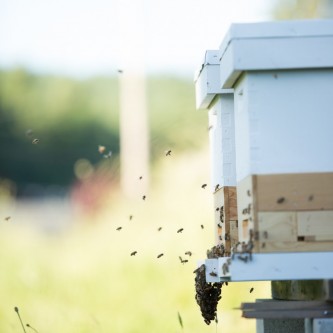
In October 2006, U.S. beekeeper David Hackenberg discovered that about 400 of his bees out of his 3,000 hives had completely disappeared. No bees were found dead inside or outside of their hives. They had simply disappeared. Now this was not due to some funny magic trick. But still the questions remained, where did the bees go and what caused them to leave? Once 2007 rolled around, more beekeepers were finding that the exact same situation was happening to them. This phenomena was soon called Colony Collapse Disorder. CCD occurred when no bees were found dead outside or inside the hive, there were not mites or parasite inside of the hive, and eventually the queen and her larva are abandoned.  CCD is mainly caused by the use of systemic pesticides that once in a bee’s system, are persistent and harmful. These pesticides cause bees to lose their navigational abilities causing them to not be able to find their way back to their hive. Some ways to help prevent CCD is to eliminate monoculture agriculture all together. People can buy organic produce at their local markets, or grow their food themselves. This is the only way to keep the bees from going completely extinct.


See full report here: 

EnvironmentalHealthProjectFinal

Photo Essay:


2015 Washington Brush and Timber Fires

Executive Summary

Washington state is a scenic wonderland that features a multitude of natural environments.  It touches the eastern part of the Pacific Ocean and reaches inland to the mountains.  It’s location on the continent provided one of the state’s most devastating fires to date.  This project takes a look at some of the key conditions that caused millions of dollars in damages, burned over a million acres, and took the lives of three firefighters.  The conditions examined range from the climate leading up to the fires, invasive plants and insects, and how fires are fought and prevented.  This project will also look at the how the budget works when it comes to paying for these fires.

See full report here.

Dry brushes that have the potential to add to fire hazards.

Dry brushes that have the potential to add to fire hazards.

After burns, some materials have to cut away

After burns, some materials have to cut away

Areas affected by the fire covered in snow

Areas affected by the fire covered in snow

A specie of invasive plants that can add to the volatility of a fire.

A specie of invasive plants that can add to the volatility of a fire.

This is an example of the potential damage a variety of bark beetles can do.

This is an example of the potential damage a variety of bark beetles can do.

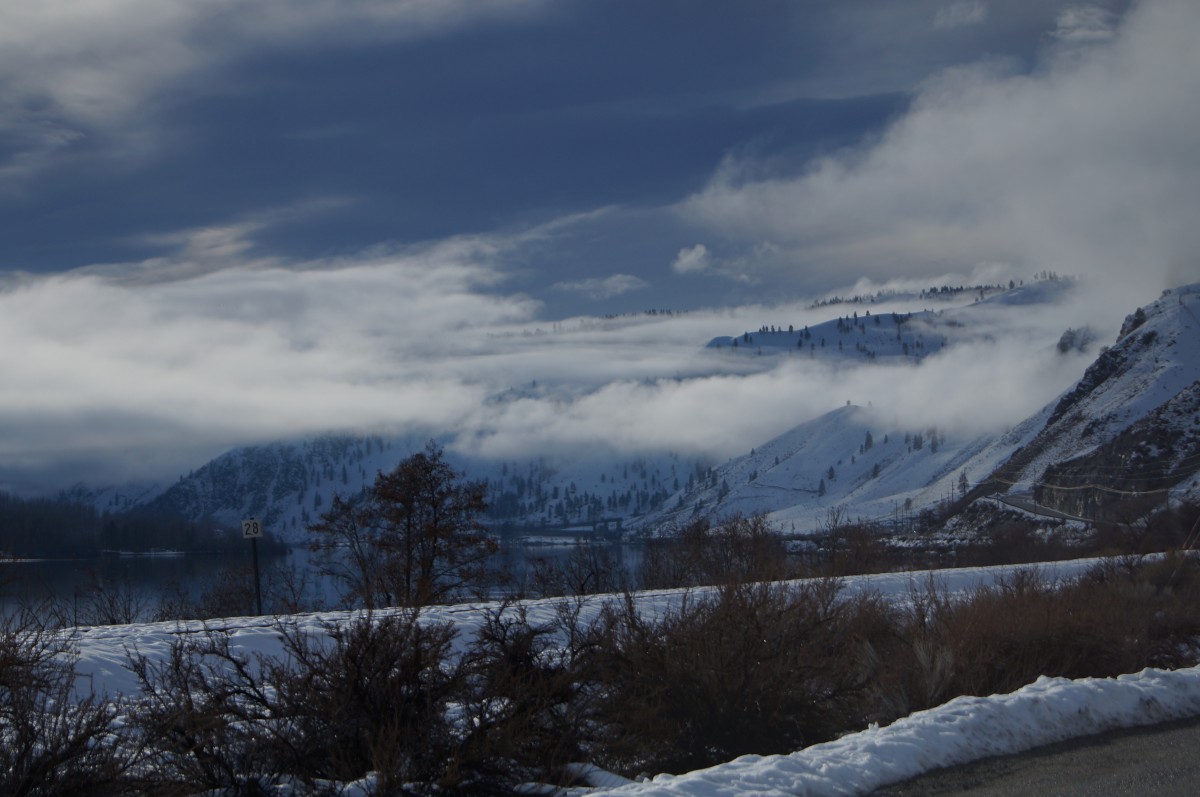
An area near Lake Chelan a few months after the fires.

An area near Lake Chelan a few months after the fires.

The Defeat of Washington State Initiative 522

Executive Summary

The defeat of Initiative 522 Washington Mandatory Labeling of Genetically Engineered Foods Measure was caused by an incredible difference of campaign contributions, and of course the vote.  We clearly see that less than 50% of the registered voters of Washington State either didn’t know about this legislation, or simply didn’t care.  If the initiative had been passed, it would have come with a penalty of $1,000 dollars, per day, per violation of this initiative.  It would have gone into effect on July 1st, 2015.  We can, however, conclude that with as much support as the GMO labeling campaign has obtained, this debate will continue into the foreseeable future.  Particularly with such products as GE salmon on the way and the many other ways in which scientists are trying to change the worlds agricultural and food industries.

Full Report

Photo Essay


Marine Debris in the North Pacific

Executive Summary:

While industrialism thrives and continues to grow and prosper, the marine debris problem is in full force, affecting every part of the globe. Additional debris ranging from cigarette butts to fishing equipment to street signs enter open waters every day, due both to human’s negligence and natural events. The Misawa Docks that travelled to U.S. territories across the Pacific taught us a lot about the universality of debris and pollution in the oceans all around the world. With the oceans riddled with garbage of all sizes, current marine debris relief efforts have been proven to be somewhat successful, but there continues to be a flow of pollutant being dumped into the oceans daily. Today’s efforts to combat the marine debris problem has not solved the issue, yet it has taught scientists a lot and it hints at future steps to maximize the efficiency of relief efforts.

Full Essay: marine debris final 

Photo Essay: 


« Older posts