Environmental Health

WA Environmental Atlas

Category: Water Resources

Seattle Urbanization

Executive Summary:

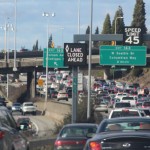
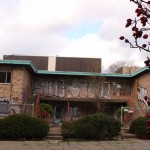
The population in Seattle is a little over 650,000 and is expected to grow 120,000 residents and 115,000 jobs by 2035(Seattle.gov, 2015). The urban component of Seattle, which has been drastically increasing, is planning to capitalize on growth. The policy goal is to manage Seattle in the next 20 years, focusing on protecting the natural environment, maintaining transportation, housing and open space, reducing urban sprawl and address global environmental challenges. Due to expansion, Seattle could run into serious problems with air pollution and greenhouse gases. This will affect ecosystems and changes in the environment drastically. Paying close attention to the fundamentals to reach the city’s goals and polices is important. The city’s aquatic and marine resources have seen a decrease over the past 150 years of urban growth. Lack of natural connection to the water is rising due to modification it’s requiring us to be resilience and innovated. These aquatic environments have amazing vitality and with proper maintenance these species potentially can become an even greater asset to Seattle. One of the City’s goals is to reducing emissions of carbon dioxide and other climate changing greenhouse gases in Seattle by 30 percent from 1990 to 2020, and become carbon neutral by 2050. The key component is to make the city a more delightful scenery as a major attraction. Facilities that offer natural and cultural attractions would only enhance and bring people from across the region. The beauty and diversity of the natural environment in and around our city is one of the characteristics that bring out Seattle from other cities around the world. This comprehensive plan for Seattle has long terms that depend on health and wealth the city will strive towards. We must all act as one and remember we are role models for each other.

Links

Urbanization in Seattle Report

Photo Essay
IMG_8275

Housing

Urbanization in Seattle

Road Transportation

IMG_8289

Public Transportation

IMG_8293

Parks and Open Space

Land Conversion in Orting

Executive Summary

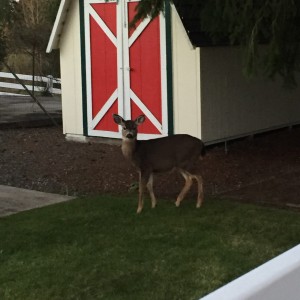
The population in Orting is growing as people are attracted by the small town feel and beautiful scenery of the valley. Housing developments are being built to accommodate the increase in people, and the impervious surfaces that accompany them, combined with tree loss that destabilizes the hillside soil, are increasing the sediment and chemical runoff into the rivers. The increased levels of pollution harm the salmon populations. As the area that humans inhabit grows, forests are cut down and habitat is lost, pushing elk onto agricultural lands, and drawing cougars with them.

View full paper: land-conversion-in-orting

Nisqually National Wildlife Refuge

Executive Summary

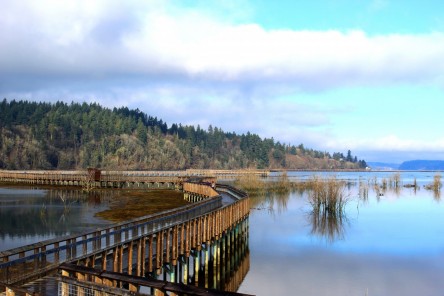
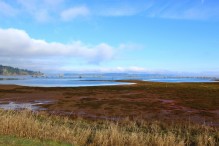
This report is about the ins and outs of the Nisqually Wildlife Refuge located in Nisqually Washington. This land holds many attributes that make it worlds different than any other ecosystem. The Nisqually area is home to a estuary. In particular this wetland is unique because it can hold both fresh and salt water. Also the wetlands are home to unique soil and plants that both have a strong relationship with the water conditions. The benefits to possessing the characteristic of extreme water tolerance, both the soil and the plants are able to filter runoff of the impurities it carries, keeping our surface and ground water sources safe. The refuge is an important geological attribute to the Puget Sound, and without it there would be devastating consequences. Through out history, the residents of Washington have had an immense impact on the wetlands. Humans imposed land conversion projects, extreme resource extraction, different kinds of infrastructures and other disturbances. Dams and clear cutting have had an extreme affect on salmon, the iconic and abundant fish of Washington. After the construction of dams and the destruction of forest, the salmon that use Nisqually as their nurseries and feeding grounds suffered to the point of near extinction and extinction itself. Nisqually and its excess water creates an environment that allow juvenile fish the opportunity to grow big and strong before continuing the rest of their life in the sound. By encouraging the fish population, the wetlands contribute to the success of our recreational and commercial fishing. To make sure that laws and regulation are being followed, someone needs to be overseeing protected areas such as the Nisqually Wildlife Refuge. In this case, that someone is the U.S Fish and Wildlife, and more specifically, the Washington Department of Fish and Wildlife. They make sure the environmental laws and policies are being obeyed, followed and implemented correctly. Environmental laws and policies have fought their way into our regulatory system and have proven to be a step in the right direction for environmental justice. All of these subtopics only scratch the surface when it comes to this special estuary.

See Full Report Here

Photos

Plan a visit

Hydroelectric Power and Dam Removal

Executive Summary

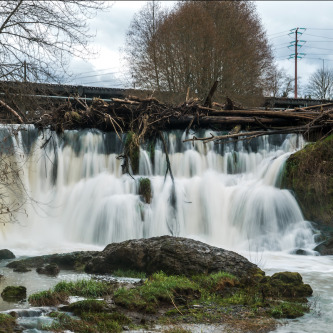
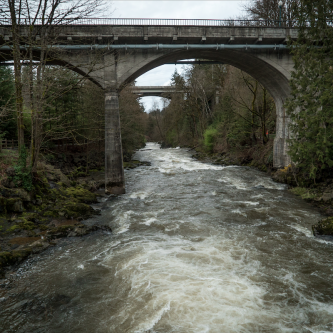
Hydroelectric power is Washington’s main source of energy. It is widely considered a green energy as it does not produce carbon dioxide or other greenhouse gases. The dams that are created to house the turbines however, do have negative ecological consequences. These negative impacts are especially felt by the pacific salmon, whose numbers have been decreasingly rapidly since the settlement of the northwest. These salmon are a keystone species, meaning that they play a vital role in the ecology of the area, and without them the food chain would be drastically different. Are the damages that these hydropower dams cause worth the renewable energy that they produce? In determining whether a dam’s negative effects outweigh their positive energy contributions one must do a case by case study. While some dams may be too ecologically damaging to be worth their produced energy, others are efficient enough, and produce electricity for a large enough population, to be worth the damage they cause.

Full Report