Environmental Health

WA Environmental Atlas

Category: Transportation

Diesel Fuel

Executive Summary

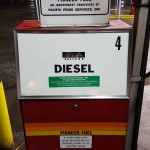
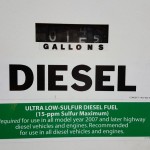
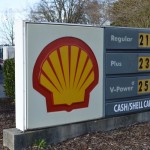
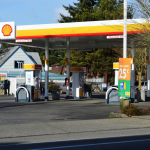
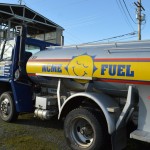
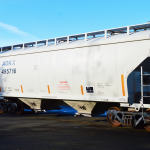
Diesel fuel is used among a variety of trucks and cars along with buses, trains, ships, farm and construction equipment. The chemical combustion that happens in this fuel sends off toxic fumes into the planet’s atmosphere called emissions. These emissions play a big part in Global Climate Change. Since the link has been discovered between diesel fuel and the emissions there has been significant efforts to reduce the unnecessary use and pollution being put off by diesel fuel. Efforts have been worldwide in the form of laws, regulations, and manufacturer design modification with new vehicle models.

Click HERE for full report.

Peak3  20160203_182252  20160203_175453_001

An awesome shot taken by a friend of mine, Harald Hohendorf.

An awesome shot taken by a friend of mine, Harald Hohendorf.

20160203_175258


Seattle Urbanization

Executive Summary:

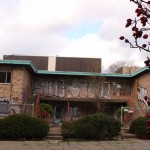
The population in Seattle is a little over 650,000 and is expected to grow 120,000 residents and 115,000 jobs by 2035(Seattle.gov, 2015). The urban component of Seattle, which has been drastically increasing, is planning to capitalize on growth. The policy goal is to manage Seattle in the next 20 years, focusing on protecting the natural environment, maintaining transportation, housing and open space, reducing urban sprawl and address global environmental challenges. Due to expansion, Seattle could run into serious problems with air pollution and greenhouse gases. This will affect ecosystems and changes in the environment drastically. Paying close attention to the fundamentals to reach the city’s goals and polices is important. The city’s aquatic and marine resources have seen a decrease over the past 150 years of urban growth. Lack of natural connection to the water is rising due to modification it’s requiring us to be resilience and innovated. These aquatic environments have amazing vitality and with proper maintenance these species potentially can become an even greater asset to Seattle. One of the City’s goals is to reducing emissions of carbon dioxide and other climate changing greenhouse gases in Seattle by 30 percent from 1990 to 2020, and become carbon neutral by 2050. The key component is to make the city a more delightful scenery as a major attraction. Facilities that offer natural and cultural attractions would only enhance and bring people from across the region. The beauty and diversity of the natural environment in and around our city is one of the characteristics that bring out Seattle from other cities around the world. This comprehensive plan for Seattle has long terms that depend on health and wealth the city will strive towards. We must all act as one and remember we are role models for each other.

Links

Urbanization in Seattle Report

Photo Essay
IMG_8275

Housing

Urbanization in Seattle

Road Transportation

IMG_8289

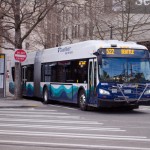
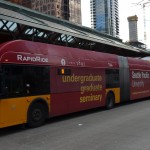
Public Transportation

IMG_8293

Parks and Open Space
Light Rail and Public Transportation in Washington State

Executive Summary

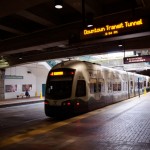
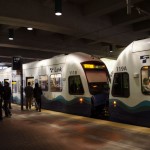
Cities in Washington like Seattle and Tacoma are spending increasing amounts of tax payer money on building light rail systems in order to get a greater number of people to ride public transportation. But is it working? The results are inconclusive thus far. Ridership is rising, but in year to year numbers that are still somewhat modest, causing skepticism among some. Those in favor suggest that it is a more environmentally friendly method, that it’s more convenient, and will eventually catch on with the masses. Opponents say it has not caught on enough to be worth the considerable investment, claiming improvements for buses get more bang for their buck than light rail. It has been a slow project to materialize initially but is now quickly expanding to more and more locations in and around Seattle and Tacoma. Good or bad, there is about to be more of it.

Full Report: Light_Rail_Washington_State_Report

Photo Essay

Shell and Tesoro Refineries, Anacortes WA,


Executive Summary

In Anacortes Washington lies two oil refineries, one owned by Shell and the other by Tesoro. In this report I will be addressing some of the ecosystem of the aria and its biodiversity. Then I will be discussing some of the economic and social benefits of the refineries, like the jobs and funding they provide. Next there will be a description of the environmental effects, specifically the COthat is released and how that effects the local aria. Finally I will present what can happen when a refinery goes un regulated by using the 2010 Tesoro explosion.

See full report: Tesoro: Shell Refinery