Environmental Health

WA Environmental Atlas

Category: Energy

Carbon Reduction In Washington State

Carbon Reduction in Washington State

Executive Summary


A carbon tax is a tax on fossil fuels intended to reduce the emission of carbon dioxide into the atmosphere. Carbon dioxide is one of the main factors contributing to the global warming epidemic our earth currently faces. A carbon tax is intended to help combat the warming effect by forcing polluters to take financial responsibility for the carbon dioxide they emit, with the ultimate goal of lowering emissions over time. It is not a new idea and many areas all over the world have already implemented their own form of carbon tax. Governor Inslee wants Washington to become apart of this trend and impose a carbon tax on the state that will cost the biggest polluters to be held financially responsible for their carbon emissions. This paper will summarize in full detail the carbon reduction plans governor Inslee has proposed, the fate and feasibility of these proposals, and the progress of the carbon tax in British Columbia.

Read more about carbon reduction here.
 

Solar in Washington

Executive Summary

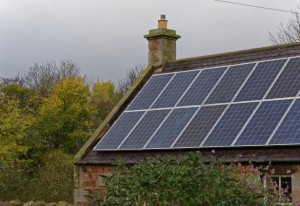
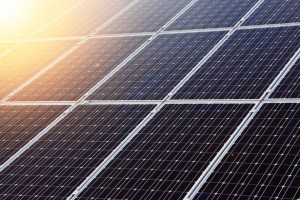
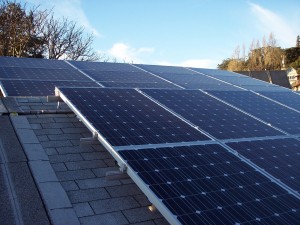
Why Solar is not only viable in Washington, but a necessary and useful tool to combat global

warming. This piece will give you some inn’s and out’s about the issue and how you can be a part of the

solution. As well as benefit from it yourself!

View full Article

Solar In Washington

Seattle Urbanization

Executive Summary:

The population in Seattle is a little over 650,000 and is expected to grow 120,000 residents and 115,000 jobs by 2035(Seattle.gov, 2015). The urban component of Seattle, which has been drastically increasing, is planning to capitalize on growth. The policy goal is to manage Seattle in the next 20 years, focusing on protecting the natural environment, maintaining transportation, housing and open space, reducing urban sprawl and address global environmental challenges. Due to expansion, Seattle could run into serious problems with air pollution and greenhouse gases. This will affect ecosystems and changes in the environment drastically. Paying close attention to the fundamentals to reach the city’s goals and polices is important. The city’s aquatic and marine resources have seen a decrease over the past 150 years of urban growth. Lack of natural connection to the water is rising due to modification it’s requiring us to be resilience and innovated. These aquatic environments have amazing vitality and with proper maintenance these species potentially can become an even greater asset to Seattle. One of the City’s goals is to reducing emissions of carbon dioxide and other climate changing greenhouse gases in Seattle by 30 percent from 1990 to 2020, and become carbon neutral by 2050. The key component is to make the city a more delightful scenery as a major attraction. Facilities that offer natural and cultural attractions would only enhance and bring people from across the region. The beauty and diversity of the natural environment in and around our city is one of the characteristics that bring out Seattle from other cities around the world. This comprehensive plan for Seattle has long terms that depend on health and wealth the city will strive towards. We must all act as one and remember we are role models for each other.

Links

Urbanization in Seattle Report

Photo Essay

IMG_8275

Housing

Urbanization in Seattle

Road Transportation

IMG_8289

Public Transportation

IMG_8293

Parks and Open Space

Hanford Nuclear Waste

Executive Summary:

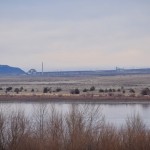
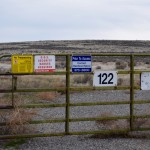
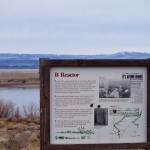
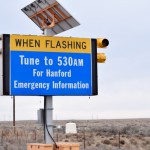
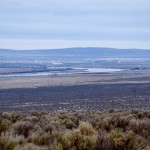
Found in Richland Washington is the remnants of one of the largest nuclear weapon producing plants that has ever been built in the United States. Hanford nuclear facilities were used in the Manhattan project as well as in the Cold War to help combat threats of nuclear weapons from foreign countries. But since its decommissioning after the final days of the Cold War- Hanford has been a painstakingly slow and serious clean up process for the state of Washington. Not only has there been typical hurdles with handling such toxic waste, but the deterioration of the overall remaining facilities which hold high level nuclear waste has also been a terrifying and complicated issue. Due to the close proximity Hanford has with the Columbia river, there is only a matter of time before the water, as well as the wildlife is contaminated and jeopardized by the waste.

Full report found here

Hydroelectric Power and Dam Removal

Executive Summary

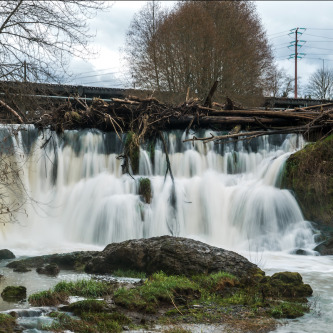
Hydroelectric power is Washington’s main source of energy. It is widely considered a green energy as it does not produce carbon dioxide or other greenhouse gases. The dams that are created to house the turbines however, do have negative ecological consequences. These negative impacts are especially felt by the pacific salmon, whose numbers have been decreasingly rapidly since the settlement of the northwest. These salmon are a keystone species, meaning that they play a vital role in the ecology of the area, and without them the food chain would be drastically different. Are the damages that these hydropower dams cause worth the renewable energy that they produce? In determining whether a dam’s negative effects outweigh their positive energy contributions one must do a case by case study. While some dams may be too ecologically damaging to be worth their produced energy, others are efficient enough, and produce electricity for a large enough population, to be worth the damage they cause.

Full Report


Hydro Electric Power

Executive Summary

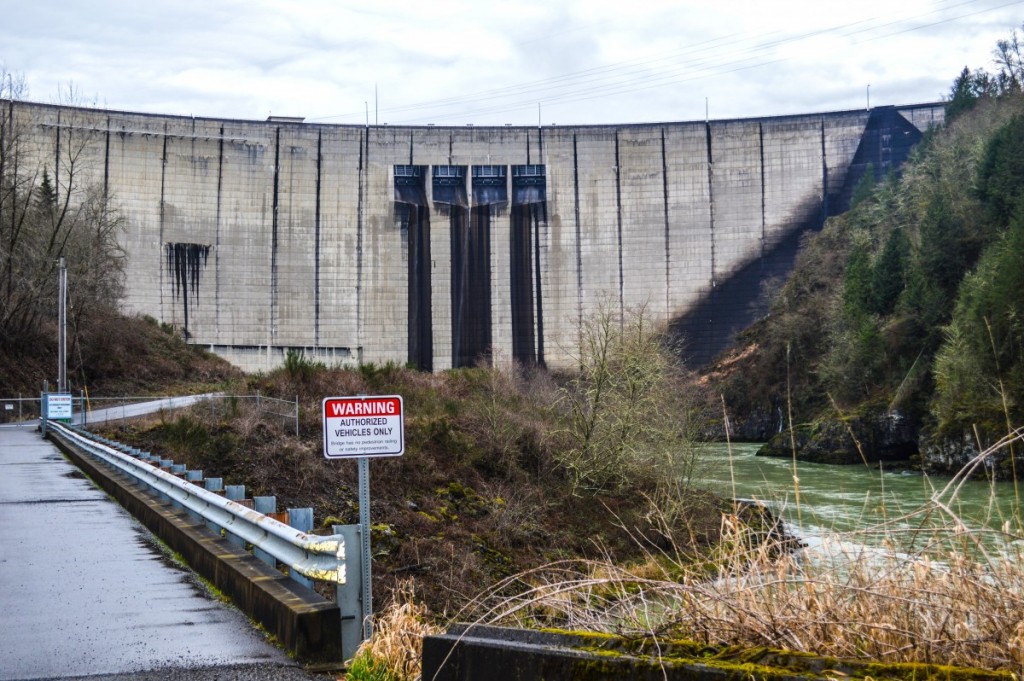
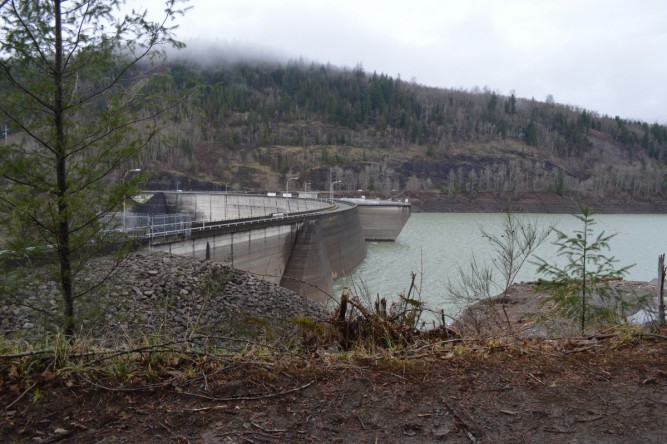
All around the world there are many different ways to produce power and electricity, but which is the best way to do so? When trying to determine the best option one has to think about many different factors. One has to think about people; how many people will this new resource benefit? Will this resource affect the surrounding towns we are producing near? Also one has to look at it in more of an environmental stand point and ask, “Is this the best resource for the town, county, state, or even the Nation or World?” One will also ask is this harming many species or is this beneficial? What one is doing when researching different resources for electricity is weighing the pros and cons. This is exactly what I am doing in this paper for hydro electric power. More specifically I am weighing the pros and cons of two dams in Lewis County to see how these dams have been harmful or beneficial.

Hydro Electric Power

Photo Essay

Mossyrock Dam

Mossyrock Dam