Environmental Health

WA Environmental Atlas

Category: Puget Sound

Diesel Fuel

Executive Summary

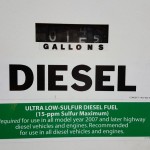
Diesel fuel is used among a variety of trucks and cars along with buses, trains, ships, farm and construction equipment. The chemical combustion that happens in this fuel sends off toxic fumes into the planet’s atmosphere called emissions. These emissions play a big part in Global Climate Change. Since the link has been discovered between diesel fuel and the emissions there has been significant efforts to reduce the unnecessary use and pollution being put off by diesel fuel. Efforts have been worldwide in the form of laws, regulations, and manufacturer design modification with new vehicle models.

Click HERE for full report.

Peak3  20160203_182252  20160203_175453_001

An awesome shot taken by a friend of mine, Harald Hohendorf.

An awesome shot taken by a friend of mine, Harald Hohendorf.

20160203_175258


The Plight of Gray Wolves in Washington State: Compromise or Oppression?

The Plight of Gray Wolves in Washington State

Executive Summary

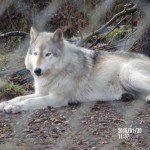
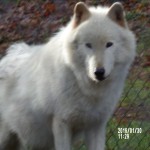
The gray wolf population has been making strides under the Gray Wolf Conservation and Management Plan implemented by Washington State Department of Fish and Wildlife. Their numbers have been steadily increasing. Unfortunately, the increased numbers have caused more interaction between wolves and humans and livestock. The issues that arise pose a serious threat to the wolves. Although there are non-lethal solutions that can be taken to reduce the risk of predation, they are often not taken. Benefit compensation for livestock harm and death have been implemented to reduce the loss suffered by livestock producers. In order for the wolves to survive it is imperative that the livestock producers do their part to take precautionary measures to protect their livestock. Livestock producers can prevent or reduce the chance of such attacks in several ways, including removal of sick, injured, or dead livestock from grazing areas, use of herders and guard dogs, keeping livestock in pens or corrals at night, and delay of livestock turnout on grazing  areas with wolves until after calving. Killing wolves should be the very last resort to control the threat. Non-lethal methods should be implemented and exhausted before turning to lethal methods. The recovery process has shown positive results and delisting the wolves too soon may cause their numbers to dwindle rapidly causing history to repeat itself. This may start the cycle over, causing us to lose ground. There is a need for proactive management.

Full Report Here

Photo Essay


Nisqually National Wildlife Refuge

Executive Summary

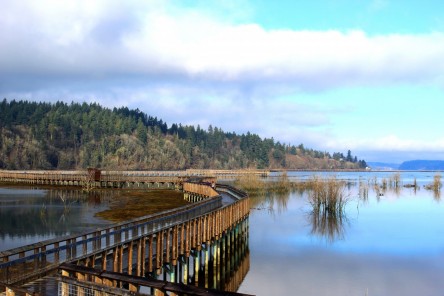
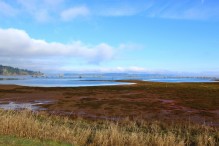
This report is about the ins and outs of the Nisqually Wildlife Refuge located in Nisqually Washington. This land holds many attributes that make it worlds different than any other ecosystem. The Nisqually area is home to a estuary. In particular this wetland is unique because it can hold both fresh and salt water. Also the wetlands are home to unique soil and plants that both have a strong relationship with the water conditions. The benefits to possessing the characteristic of extreme water tolerance, both the soil and the plants are able to filter runoff of the impurities it carries, keeping our surface and ground water sources safe. The refuge is an important geological attribute to the Puget Sound, and without it there would be devastating consequences. Through out history, the residents of Washington have had an immense impact on the wetlands. Humans imposed land conversion projects, extreme resource extraction, different kinds of infrastructures and other disturbances. Dams and clear cutting have had an extreme affect on salmon, the iconic and abundant fish of Washington. After the construction of dams and the destruction of forest, the salmon that use Nisqually as their nurseries and feeding grounds suffered to the point of near extinction and extinction itself. Nisqually and its excess water creates an environment that allow juvenile fish the opportunity to grow big and strong before continuing the rest of their life in the sound. By encouraging the fish population, the wetlands contribute to the success of our recreational and commercial fishing. To make sure that laws and regulation are being followed, someone needs to be overseeing protected areas such as the Nisqually Wildlife Refuge. In this case, that someone is the U.S Fish and Wildlife, and more specifically, the Washington Department of Fish and Wildlife. They make sure the environmental laws and policies are being obeyed, followed and implemented correctly. Environmental laws and policies have fought their way into our regulatory system and have proven to be a step in the right direction for environmental justice. All of these subtopics only scratch the surface when it comes to this special estuary.

See Full Report Here

Photos

Plan a visit
Puget Sound Stormwater Runoff

 Summary

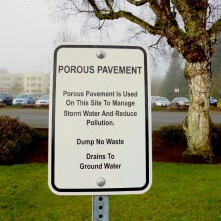
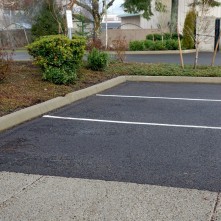
How large of an impact does stormwater runoff really have? The answer is quite a lot.  Stormwater runoff  poses a major threat to the Puget Sound. Pollutants have been found throughout the Sound’s water and  have even been found in local shellfish produced there. Luckily, local government agencies such as the Department of Ecology (Ecology), the Department of Fish and Wildlife , and the Port of Olympia are all in the works to help reduce the amount of stormwater runoff that flows into the Puget Sound (Watershed Forestry Research Guide, 2016).


Full Report

Photo Essay

Shell and Tesoro Refineries, Anacortes WA,


Executive Summary

In Anacortes Washington lies two oil refineries, one owned by Shell and the other by Tesoro. In this report I will be addressing some of the ecosystem of the aria and its biodiversity. Then I will be discussing some of the economic and social benefits of the refineries, like the jobs and funding they provide. Next there will be a description of the environmental effects, specifically the COthat is released and how that effects the local aria. Finally I will present what can happen when a refinery goes un regulated by using the 2010 Tesoro explosion.

See full report: Tesoro: Shell Refinery