Environmental Health

WA Environmental Atlas

Category: Cities and Towns

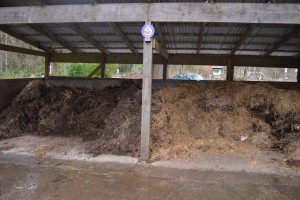
Compost in Thurston County

EXECUTIVE SUMMARY:

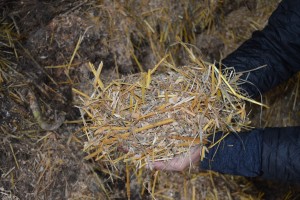
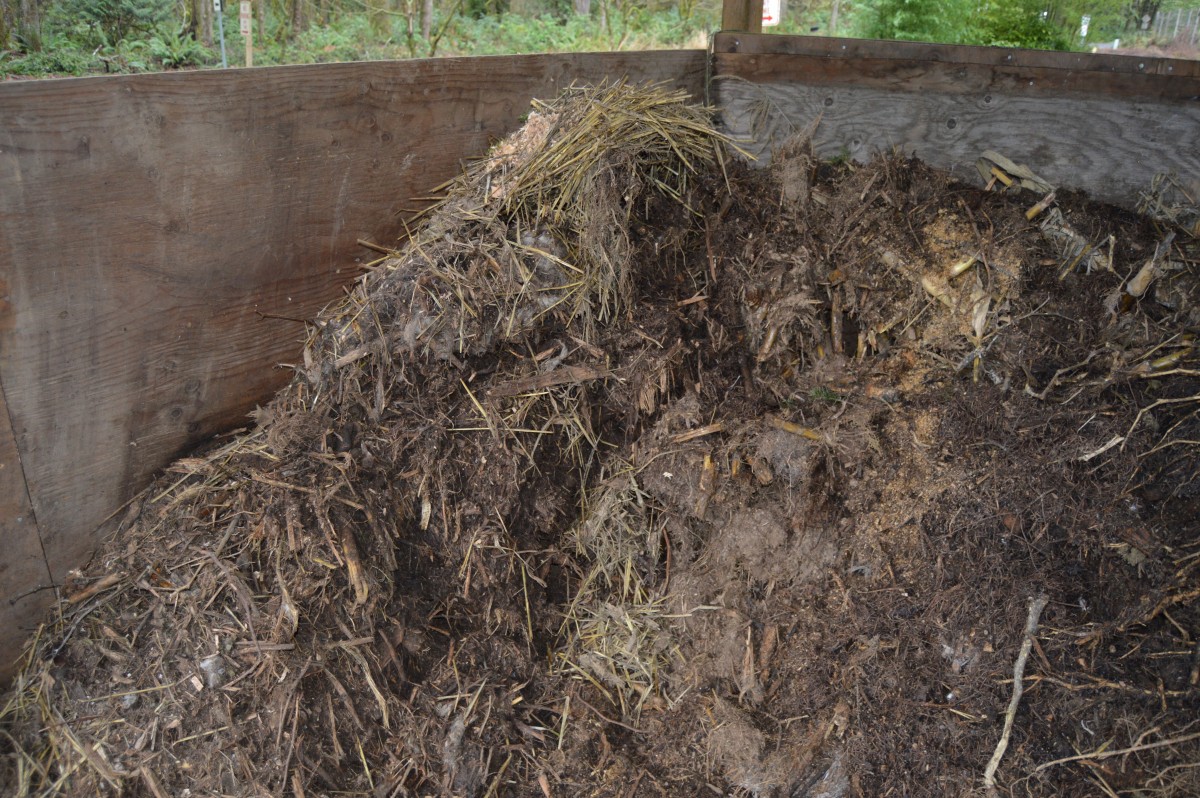
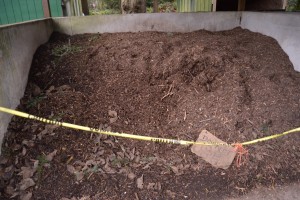
This report analyzed blended municipal solid waste (MSW) arranged at Thurston County’s transfer facilities. Blended municipal strong waste is a term regularly utilized for residential and commercial wastes, including the waste gathered by garbage haulers also, waste conveyed specifically to transfer locales by the waste generators themselves (selfhaul). This report additionally inspected the blended organics (food scraps and yard debris) conveyed to Waste and Recovery Center (WARC) for transfer to different facilities. This study did not analyze source separated recyclable materials or specifically handled materials, for example, extensive machines. The intend of this report was to give data for the County’s whole waste stream and for the mixed organics stream. However,  the inspecting and information gathering strategies permitted data to be gathered on the amount and synthesis of waste arranged by particular sources too.


Full  Report: COMPOST in THURSTON COUNTY


Photo Essays:
rimage1rimage4rimage3

Seattle Urbanization

Executive Summary:

The population in Seattle is a little over 650,000 and is expected to grow 120,000 residents and 115,000 jobs by 2035(Seattle.gov, 2015). The urban component of Seattle, which has been drastically increasing, is planning to capitalize on growth. The policy goal is to manage Seattle in the next 20 years, focusing on protecting the natural environment, maintaining transportation, housing and open space, reducing urban sprawl and address global environmental challenges. Due to expansion, Seattle could run into serious problems with air pollution and greenhouse gases. This will affect ecosystems and changes in the environment drastically. Paying close attention to the fundamentals to reach the city’s goals and polices is important. The city’s aquatic and marine resources have seen a decrease over the past 150 years of urban growth. Lack of natural connection to the water is rising due to modification it’s requiring us to be resilience and innovated. These aquatic environments have amazing vitality and with proper maintenance these species potentially can become an even greater asset to Seattle. One of the City’s goals is to reducing emissions of carbon dioxide and other climate changing greenhouse gases in Seattle by 30 percent from 1990 to 2020, and become carbon neutral by 2050. The key component is to make the city a more delightful scenery as a major attraction. Facilities that offer natural and cultural attractions would only enhance and bring people from across the region. The beauty and diversity of the natural environment in and around our city is one of the characteristics that bring out Seattle from other cities around the world. This comprehensive plan for Seattle has long terms that depend on health and wealth the city will strive towards. We must all act as one and remember we are role models for each other.

Links

Urbanization in Seattle Report

Photo Essay

IMG_8275

Housing

Urbanization in Seattle

Road Transportation

IMG_8289

Public Transportation

IMG_8293

Parks and Open Space

Socioeconomic and Environmental Impact of Homelessness in Olympia Wa

Executive Summary
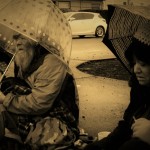
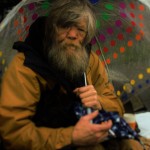
All over the world people go without shelter, food and the basic necessities to live a full, promising life. Often looked down on as the dredges of society, but yet, the homeless population continues to grow. There are many effects of homelessness on our society and on our environment. The goal of this paper is to outline the socioeconomic aspects and environmental damage that is caused by people who are ignored by society. More specifically, I will highlight Olympia, Washington and its current issue of homelessness in order to analyze how the environment, economy and health and safety concerns are affected by homelessness. With this information, my hope is to bring more light to this issue and call on the powers that be for solutions.

Click here for full report

Land Conversion in Orting

Executive Summary

The population in Orting is growing as people are attracted by the small town feel and beautiful scenery of the valley. Housing developments are being built to accommodate the increase in people, and the impervious surfaces that accompany them, combined with tree loss that destabilizes the hillside soil, are increasing the sediment and chemical runoff into the rivers. The increased levels of pollution harm the salmon populations. As the area that humans inhabit grows, forests are cut down and habitat is lost, pushing elk onto agricultural lands, and drawing cougars with them.

View full paper: land-conversion-in-orting

The Defeat of Washington State Initiative 522

Executive Summary

The defeat of Initiative 522 Washington Mandatory Labeling of Genetically Engineered Foods Measure was caused by an incredible difference of campaign contributions, and of course the vote.  We clearly see that less than 50% of the registered voters of Washington State either didn’t know about this legislation, or simply didn’t care.  If the initiative had been passed, it would have come with a penalty of $1,000 dollars, per day, per violation of this initiative.  It would have gone into effect on July 1st, 2015.  We can, however, conclude that with as much support as the GMO labeling campaign has obtained, this debate will continue into the foreseeable future.  Particularly with such products as GE salmon on the way and the many other ways in which scientists are trying to change the worlds agricultural and food industries.

Full Report

Photo Essay


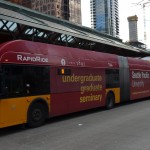
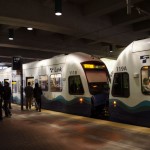
Light Rail and Public Transportation in Washington State

Executive Summary

Cities in Washington like Seattle and Tacoma are spending increasing amounts of tax payer money on building light rail systems in order to get a greater number of people to ride public transportation. But is it working? The results are inconclusive thus far. Ridership is rising, but in year to year numbers that are still somewhat modest, causing skepticism among some. Those in favor suggest that it is a more environmentally friendly method, that it’s more convenient, and will eventually catch on with the masses. Opponents say it has not caught on enough to be worth the considerable investment, claiming improvements for buses get more bang for their buck than light rail. It has been a slow project to materialize initially but is now quickly expanding to more and more locations in and around Seattle and Tacoma. Good or bad, there is about to be more of it.

Full Report: Light_Rail_Washington_State_Report

Photo Essay

The New Zealand Mud Snail: Invasive species to Washington

Executive Summary:


Summary

Invasive species are a common problem with most ecosystems around the world. These various plants, animals and living organisms can cause loss to the natural environment. In this report I will be mainly talking about the New Zealand Mud Snail, which is currently infesting fresh water lakes and rivers around Washington. It has been shown over the years that The New Zealand Mud Snail is not nearly as destructive as the lion fish or the zebra mussels. However these mini mollusks are rapid producers cloning themselves at a fast rate.  New Zealand Mud snails were first discovered in Washington in 2009 and have continued to spread (W.D.F.W, 2016). They were initially brought to America through a New Zealand fish stock. This happened back during a time when they exported their fish alive. Since then the Mud Snails have dominated some ecosystems in Washington, Colorado and states surrounding the Great Lakes. With having this nuisance going around some of the largest freshwater supplies is very concerning for our futures sake. With having an invasive species in your community it is important to be a participating community member in helping the species to not spread. It is ideal that you learn what they look like and what the cause and effects of the Invasive species can do. Also it is useful to learn if they are barring you from using public spaces such as lakes, bridges, etc. Throughout this report I will be discussing the effects Mud Snails have on humans, the political aspect of invasive species and how this affects you and me.


DSC_0719DSC_0714

New zealand Mud Snails in Washington myles