Environmental Health

WA Environmental Atlas

Category: Climate Change

Carbon Reduction In Washington State

Carbon Reduction in Washington State

Executive Summary


A carbon tax is a tax on fossil fuels intended to reduce the emission of carbon dioxide into the atmosphere. Carbon dioxide is one of the main factors contributing to the global warming epidemic our earth currently faces. A carbon tax is intended to help combat the warming effect by forcing polluters to take financial responsibility for the carbon dioxide they emit, with the ultimate goal of lowering emissions over time. It is not a new idea and many areas all over the world have already implemented their own form of carbon tax. Governor Inslee wants Washington to become apart of this trend and impose a carbon tax on the state that will cost the biggest polluters to be held financially responsible for their carbon emissions. This paper will summarize in full detail the carbon reduction plans governor Inslee has proposed, the fate and feasibility of these proposals, and the progress of the carbon tax in British Columbia.

Read more about carbon reduction here.
 

Land Use and Climate Change Impact on Insects

Executive Summary:

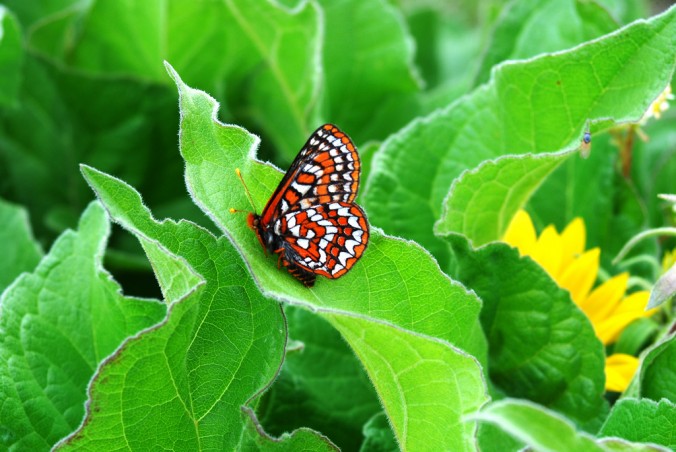
This article describes the impact of land use and climate change on the lives of insects in the Puget Sound. Butterflies are studied by field researchers because their presence is a good indication of a healthy ecosystem for arthropods and surrounding flora. For the purposes of this paper butterflies will be the main example of environmental damage due to land use and climate change. The article will show  butterflies in rural and urban regions of the Puget Sound have decreased in numbers. The the decrease in butterflies corresponds to the decline in health of the surrounding environment. Climate change in the sub alpine region of Mount Rainier National Park will be used as an example of the negative impact on insects. The land development of Thurston County will be used as an example of the negative impact on insects. The combined effects of land use and climate change will be outlined with a suggested response to the issues.


For the Full Report Click Here

Spring invertebrates

Early spring invertebrates.

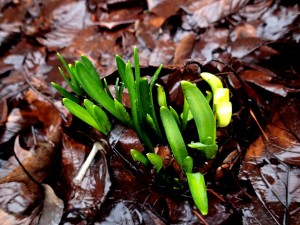
Daffodils coming up earlier than expected.

Daffodils coming up earlier than expected.

Pollen sources being eaten before being visited by a pollinator.

Pollen sources being eaten before being visited by a pollinator.

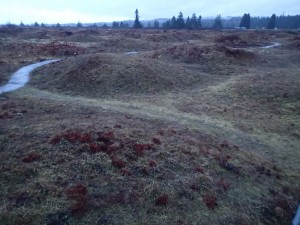
The Mima Mounds Prairie. There is very little prairie land left in the Puget Sound.

The Mima Mounds Prairie. There is very little prairie land left in the Puget Sound.

The Dairy Dynamic: The Relationship between Climate Change and Dairy Farming

Executive Summary:

Climate Change is overtaking our planet faster than we can anticipate as major corporations, industries, as well as individual citizens contribute to our global pollution. Humans, despite their inability to realize the fact, are some of the heaviest polluting animals in the world due to our interests in certain commodities. A majority of humans are conditioned to enjoy using animal products, and this is becoming a problem as climate change develops because animal agriculture is one of the leading causes of emissions of greenhouse gasses not just in the United States, but the entire world. Over 50 billion animals are raised as livestock globally each year, each one emitting waste which must be regulated. A smaller division of animal agriculture, the dairy industry, is one of the key sectors in which there is both a potential for very large yet very regulated emissions. Through proper practice of caring for the livestock and being conservative with the storage and distribution of milk, manure, and biomass, we can begin to make steps in reducing our impact on global climate change.

link to The Dairy Dynamic

Photo Essay:

Seattle Urbanization

Executive Summary:

The population in Seattle is a little over 650,000 and is expected to grow 120,000 residents and 115,000 jobs by 2035(Seattle.gov, 2015). The urban component of Seattle, which has been drastically increasing, is planning to capitalize on growth. The policy goal is to manage Seattle in the next 20 years, focusing on protecting the natural environment, maintaining transportation, housing and open space, reducing urban sprawl and address global environmental challenges. Due to expansion, Seattle could run into serious problems with air pollution and greenhouse gases. This will affect ecosystems and changes in the environment drastically. Paying close attention to the fundamentals to reach the city’s goals and polices is important. The city’s aquatic and marine resources have seen a decrease over the past 150 years of urban growth. Lack of natural connection to the water is rising due to modification it’s requiring us to be resilience and innovated. These aquatic environments have amazing vitality and with proper maintenance these species potentially can become an even greater asset to Seattle. One of the City’s goals is to reducing emissions of carbon dioxide and other climate changing greenhouse gases in Seattle by 30 percent from 1990 to 2020, and become carbon neutral by 2050. The key component is to make the city a more delightful scenery as a major attraction. Facilities that offer natural and cultural attractions would only enhance and bring people from across the region. The beauty and diversity of the natural environment in and around our city is one of the characteristics that bring out Seattle from other cities around the world. This comprehensive plan for Seattle has long terms that depend on health and wealth the city will strive towards. We must all act as one and remember we are role models for each other.

Links

Urbanization in Seattle Report

Photo Essay

IMG_8275

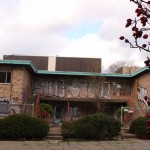
Housing

Urbanization in Seattle

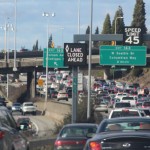
Road Transportation

IMG_8289

Public Transportation

IMG_8293

Parks and Open Space

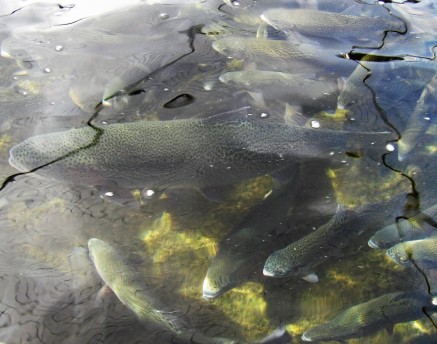
Warming of rivers and the effects on salmon


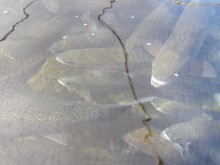
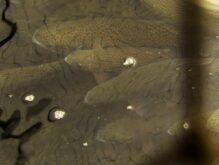
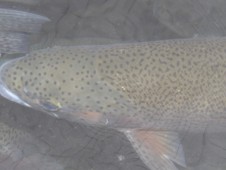
In recent years we have started to see the effects of climate change in a more drastic way. Before the iconic symbol of climate change were the polar bears and the arctic ice melting. Now we don’t only have to hear about polar bear to see what is happing because it’s happening in our own state and we are able to see it firsthand. Droughts, floods, and heat waves are some of the effects of climate change that we have experienced. Last year we saw the drastic impact that it had on salmon in the Pacific Northwest. The winter of 2015 brought the lowest snowpack at near zero.  The low level of snowpack was the major factor for the loss of nearly half of the expected salmon to return last year. Warm water temperature not only means harm to salmon’s immune system but makes salmon an easy target for diseases. Many of the disease have come from salmon that have been cultivated in hatcheries. If diseases weren’t enough they still have to go through numerous dams that make it nearly impossible to reach their spawning grounds.


Full report  found here


The Dead Zone off the Oregon and Washington Coasts

Executive Summary

Every summer since 2002, an area with low levels of dissolved oxygen, called a “dead zone”, has formed off of the coasts of Oregon and Washington. Dead zones have so little oxygen that they can no longer support most marine life. Dead zones are common occurrences in places with large amounts of industrial or agricultural runoff, but Oregon and Washington do not have significant amounts of pollution in the affected areas. The reason for this dead zone is climate change. As global temperatures rise, wind patterns change and this causes upwelling along the west coast of North America. The upwelling causes algae blooms that cause a hypoxic zone in the region that is deadly to marine life. Ocean acidification also contributes to the problems associated with the dead zone by limiting the ability of certain organisms to repopulate after losses suffered because of hypoxia. The dead zone is a danger to our environment because it destroys marine habitat and causes massive losses to marine life, particularly to lower levels of the food chain that many other species are dependent on for food. The dead zone will also negatively affect the economies of both Washington and Oregon, which are highly dependent on commercial and recreational fishing, wildlife viewing, and other maritime activities. These industries will take significant damage if the dead zone persists or worsens. Currently work is being done at Oregon State University to understand how we can better combat the dead zone and address the problems associated with it; Washington has done very little to research or address the dead zone. What must be done in order to correct the dead zone, or at least keep it from getting worse, is to slow and stop climate change, which is the cause of the dead zone, by limiting greenhouse gas emissions to safe levels and investing in the future of our planet.

Full Report

Photo Essay


2015 Washington Brush and Timber Fires

Executive Summary

Washington state is a scenic wonderland that features a multitude of natural environments.  It touches the eastern part of the Pacific Ocean and reaches inland to the mountains.  It’s location on the continent provided one of the state’s most devastating fires to date.  This project takes a look at some of the key conditions that caused millions of dollars in damages, burned over a million acres, and took the lives of three firefighters.  The conditions examined range from the climate leading up to the fires, invasive plants and insects, and how fires are fought and prevented.  This project will also look at the how the budget works when it comes to paying for these fires.

See full report here.
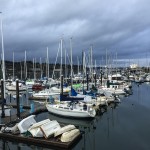
Dry brushes that have the potential to add to fire hazards.

Dry brushes that have the potential to add to fire hazards.

After burns, some materials have to cut away

After burns, some materials have to cut away

Areas affected by the fire covered in snow

Areas affected by the fire covered in snow

A specie of invasive plants that can add to the volatility of a fire.
A specie of invasive plants that can add to the volatility of a fire.

This is an example of the potential damage a variety of bark beetles can do.

This is an example of the potential damage a variety of bark beetles can do.

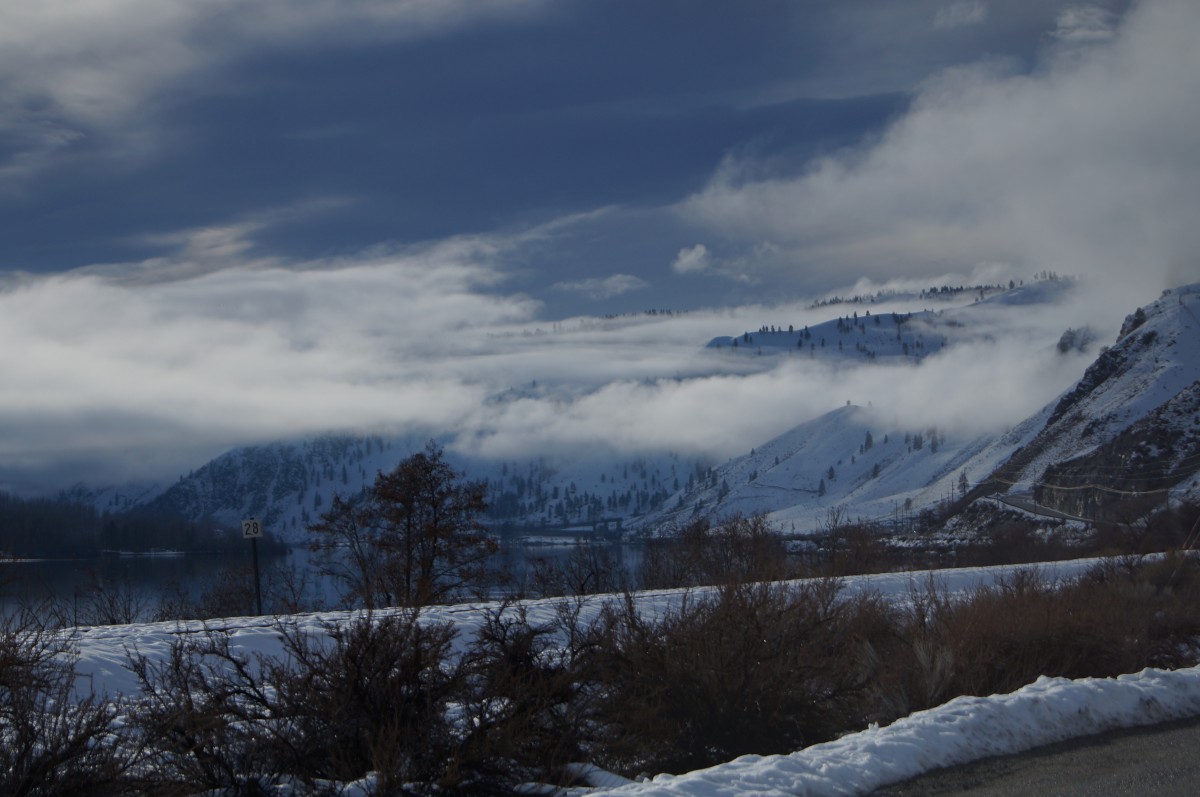
An area near Lake Chelan a few months after the fires.

An area near Lake Chelan a few months after the fires.

A Streamlined Explanation of Anthropogenic Global Warming

EXECUTIVE SUMMARY

This report will discuss the evidence for and history of global warming in the broad sense of the term. It will make the case for the claims of climate scientists, and will also discuss dissenting arguments, misconceptions about global warming and the effects of climate change on Washington state (from the impacts on the state’s environment
to the potential repercussions on the social and economic fronts).

A significant portion of the report will also detail the history of the theory, from the Irish physicist’s John Tyndall’s first model of the greenhouse effect to the overt politicization of the subject around the late twentieth century. This will include examination of the methods used for measuring the planet’s warming phenomenon, from the increasing trends in
heat that has been trapped in the atmosphere to other direct effects such as the acidification of oceans and the detrimental effects on the polar ice caps.

A Streamlined Explanation of AGW


DSCN0447

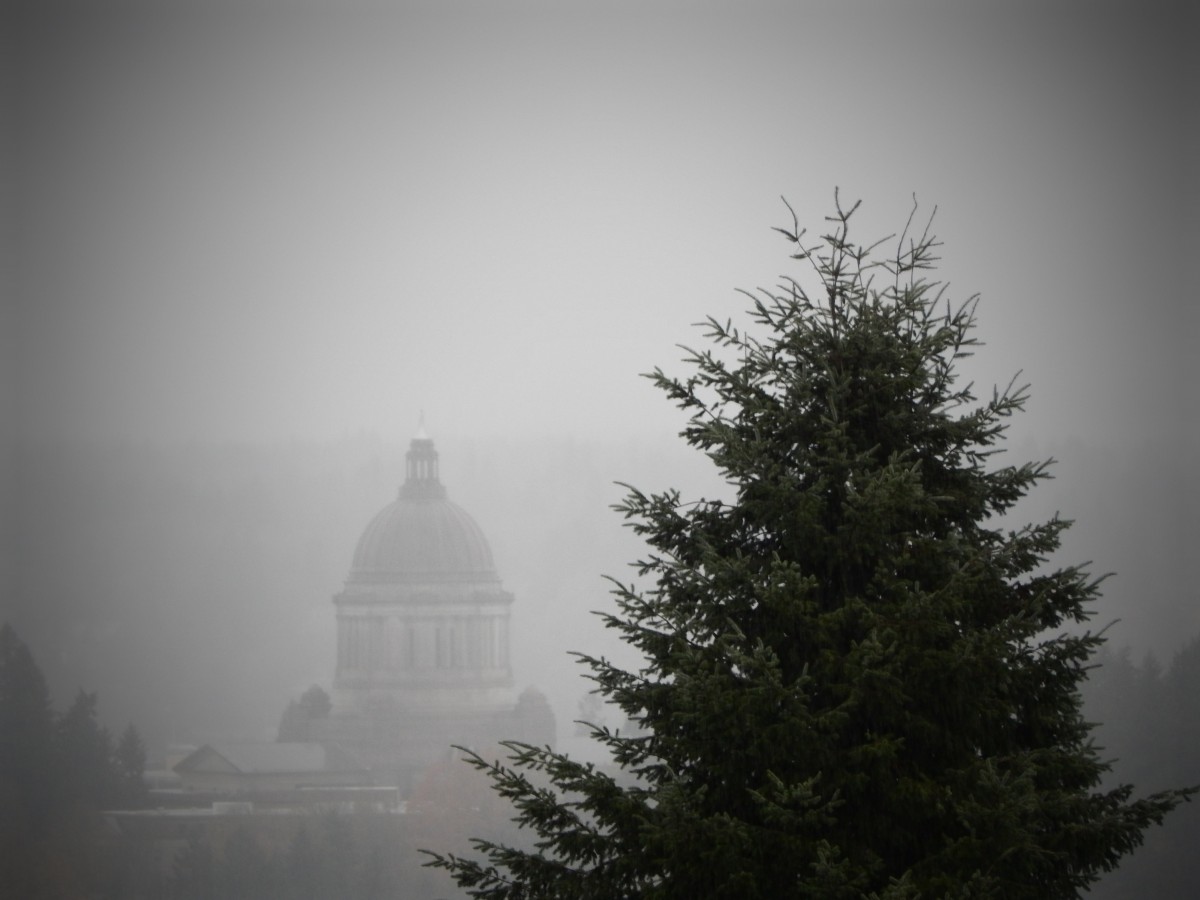
View of Olympia Capitol Building through the dew from a west side hill.

DSCN0560

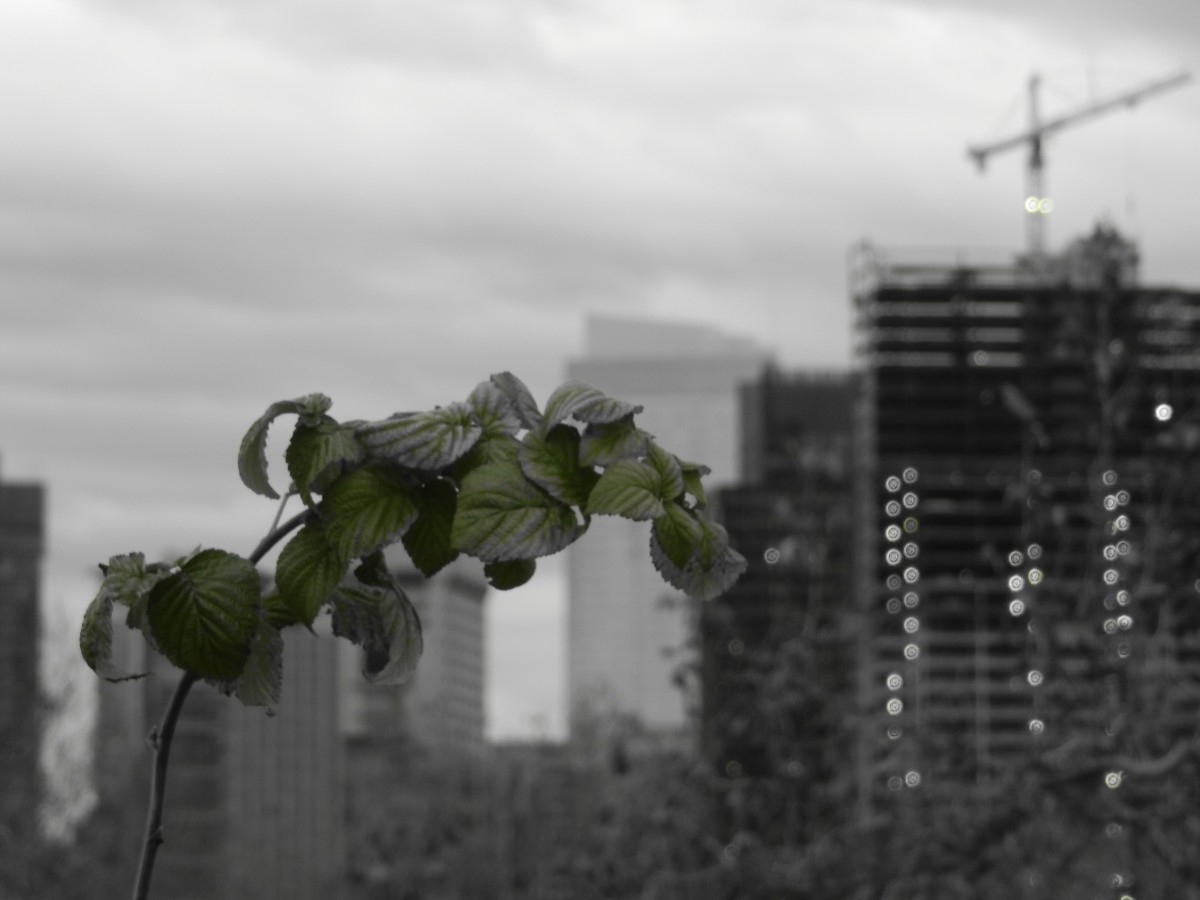
View from atop a Seattle rooftop urban farm, juxtaposing organic life with an urban landscape.

DSCN0703

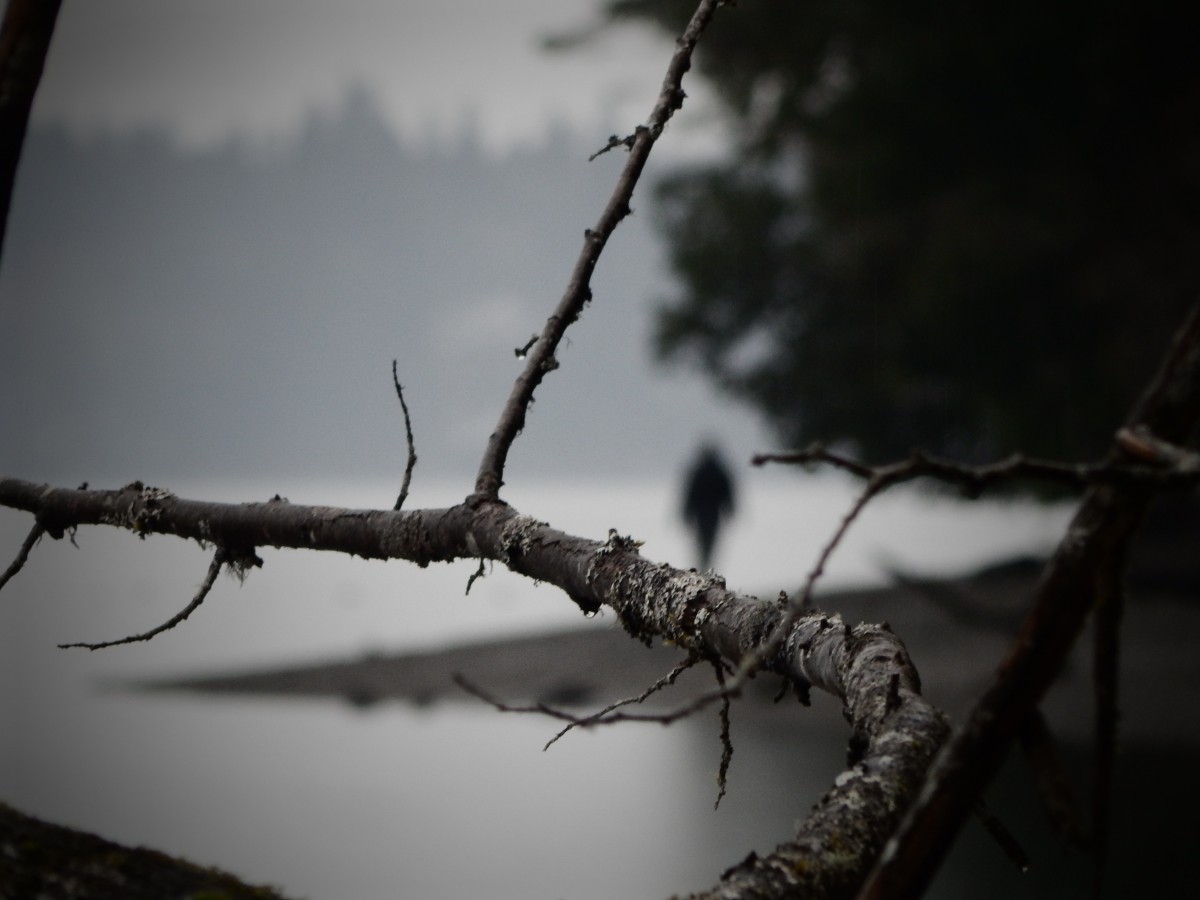
Wintry decay on an Evergreen beach.

DSCN0694

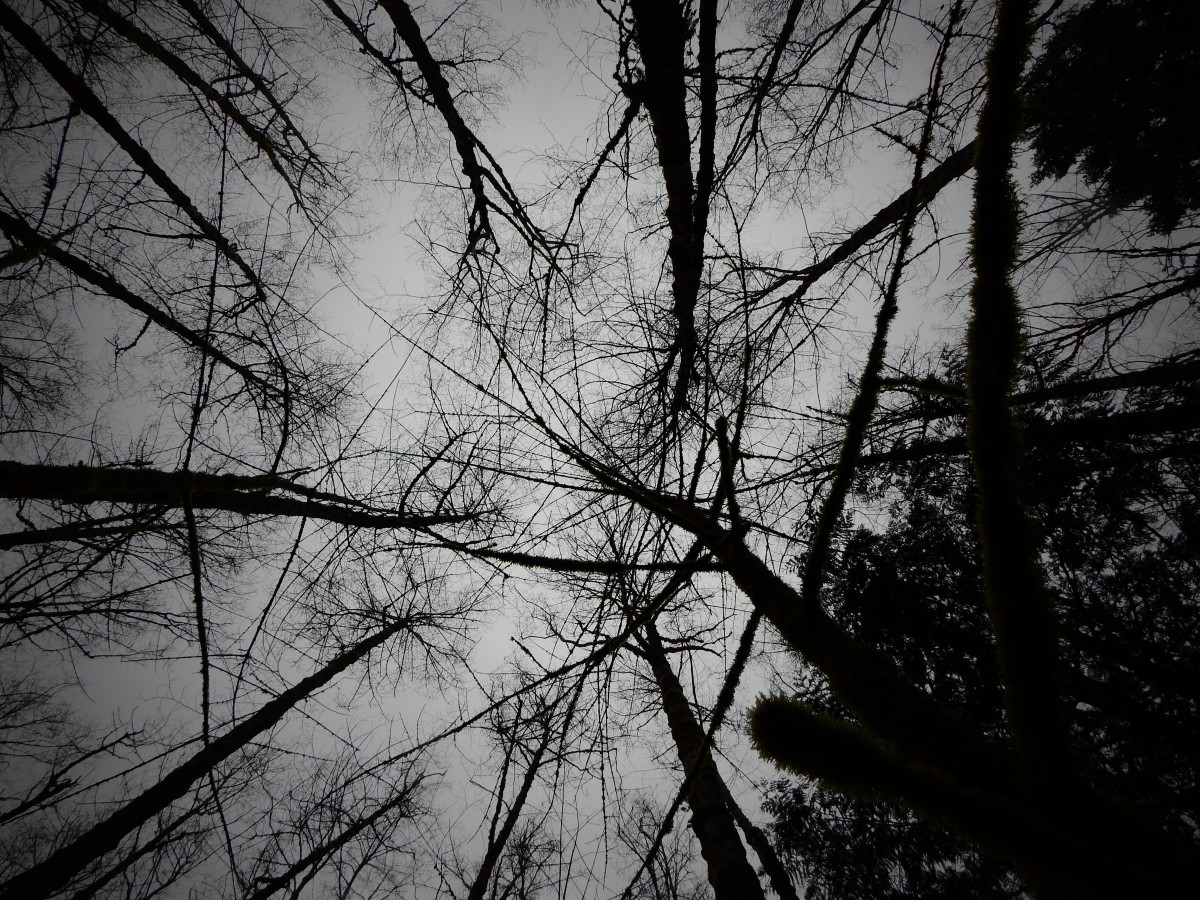
Treetops near the Evergreen State College.


DSCN0422

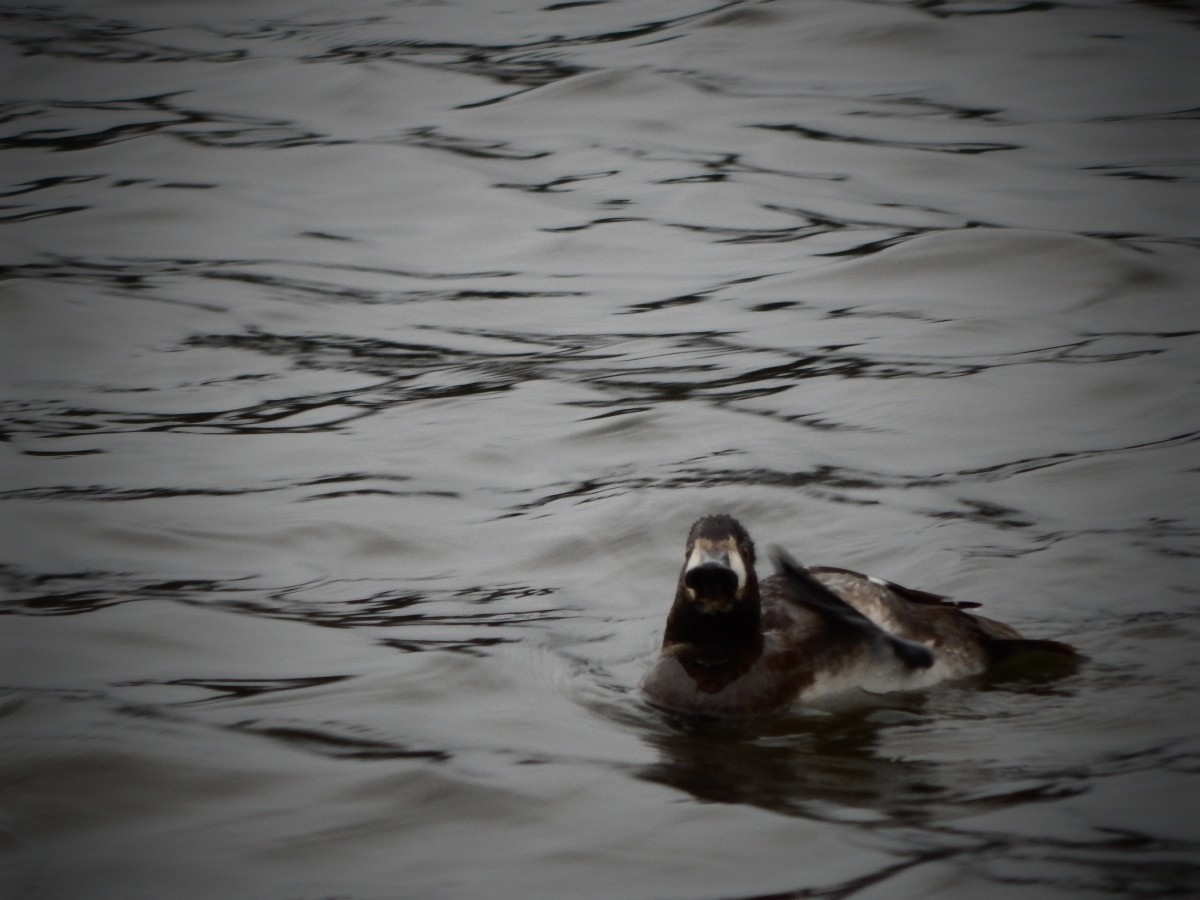
Murky waters in Capitol Lake.

Impact of Climate Change on Elk

Executive Summary:

The future effects of climate change on elk are uncertain. The number of elk in the United States fell significantly in the early 20th century, but has since risen back up due to effort from conservation agencies. Elk numbers are still supported through the sale of sport hunting. The loss of habitat may cause elk to compete with local livestock population and lead to a higher rate of interaction with humans. A greater number of elk have been reported to be inflicted with digital dermatitis, linked to an increase in bacteria numbers in the environment. Along with an increase in bacteria, there has also been an increase in ticks which can be attributed to reduced snowpack and warmer winters. Climate change has led to a change in available plant species available to elk for both food and habitat sources. There are many factors that make it difficult to predict the future of elk populations from the effects of climate change.

Full Report