Executive Summary
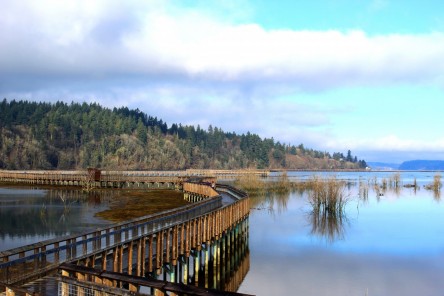
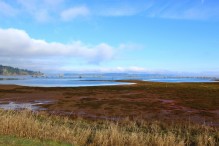
This report is about the ins and outs of the Nisqually Wildlife Refuge located in Nisqually Washington. This land holds many attributes that make it worlds different than any other ecosystem. The Nisqually area is home to a estuary. In particular this wetland is unique because it can hold both fresh and salt water. Also the wetlands are home to unique soil and plants that both have a strong relationship with the water conditions. The benefits to possessing the characteristic of extreme water tolerance, both the soil and the plants are able to filter runoff of the impurities it carries, keeping our surface and ground water sources safe. The refuge is an important geological attribute to the Puget Sound, and without it there would be devastating consequences. Through out history, the residents of Washington have had an immense impact on the wetlands. Humans imposed land conversion projects, extreme resource extraction, different kinds of infrastructures and other disturbances. Dams and clear cutting have had an extreme affect on salmon, the iconic and abundant fish of Washington. After the construction of dams and the destruction of forest, the salmon that use Nisqually as their nurseries and feeding grounds suffered to the point of near extinction and extinction itself. Nisqually and its excess water creates an environment that allow juvenile fish the opportunity to grow big and strong before continuing the rest of their life in the sound. By encouraging the fish population, the wetlands contribute to the success of our recreational and commercial fishing. To make sure that laws and regulation are being followed, someone needs to be overseeing protected areas such as the Nisqually Wildlife Refuge. In this case, that someone is the U.S Fish and Wildlife, and more specifically, the Washington Department of Fish and Wildlife. They make sure the environmental laws and policies are being obeyed, followed and implemented correctly. Environmental laws and policies have fought their way into our regulatory system and have proven to be a step in the right direction for environmental justice. All of these subtopics only scratch the surface when it comes to this special estuary.
See Full Report Here
Photos