Environmental Health

WA Environmental Atlas

Category: Plants and Animals (Page 2 of 2)

The New Zealand Mud Snail: Invasive species to Washington

Executive Summary:


Summary

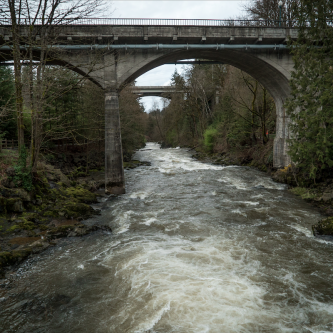
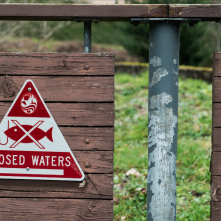
Invasive species are a common problem with most ecosystems around the world. These various plants, animals and living organisms can cause loss to the natural environment. In this report I will be mainly talking about the New Zealand Mud Snail, which is currently infesting fresh water lakes and rivers around Washington. It has been shown over the years that The New Zealand Mud Snail is not nearly as destructive as the lion fish or the zebra mussels. However these mini mollusks are rapid producers cloning themselves at a fast rate.  New Zealand Mud snails were first discovered in Washington in 2009 and have continued to spread (W.D.F.W, 2016). They were initially brought to America through a New Zealand fish stock. This happened back during a time when they exported their fish alive. Since then the Mud Snails have dominated some ecosystems in Washington, Colorado and states surrounding the Great Lakes. With having this nuisance going around some of the largest freshwater supplies is very concerning for our futures sake. With having an invasive species in your community it is important to be a participating community member in helping the species to not spread. It is ideal that you learn what they look like and what the cause and effects of the Invasive species can do. Also it is useful to learn if they are barring you from using public spaces such as lakes, bridges, etc. Throughout this report I will be discussing the effects Mud Snails have on humans, the political aspect of invasive species and how this affects you and me.


DSC_0719DSC_0714

New zealand Mud Snails in Washington myles

Spotted Owl: Ethics VS Economics

Executive Summary

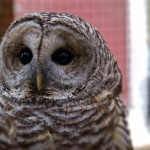
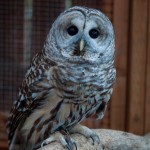
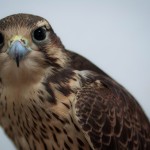
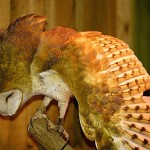
During the 1980s and 90s, the northern spotted owl was perhaps the most controversial animal in the Pacific Northwest. The recommendation that the bird be listed as a threatened species turned the lumber industry against environmentalists in an angry, ugly confrontation, which continues to this day. But today the spotted owl faces a new and even more desperate battle, one that has it staring straight into the face of extinction. The new threat comes not from people but from an invasion of its own cousin, the barred owl.

Full Report Here


——————Photos Below——————

Nisqually National Wildlife Refuge

Executive Summary

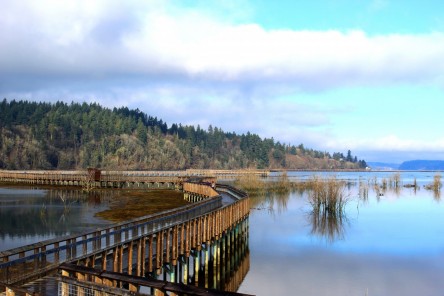
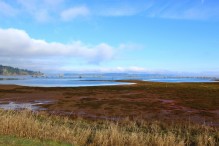
This report is about the ins and outs of the Nisqually Wildlife Refuge located in Nisqually Washington. This land holds many attributes that make it worlds different than any other ecosystem. The Nisqually area is home to a estuary. In particular this wetland is unique because it can hold both fresh and salt water. Also the wetlands are home to unique soil and plants that both have a strong relationship with the water conditions. The benefits to possessing the characteristic of extreme water tolerance, both the soil and the plants are able to filter runoff of the impurities it carries, keeping our surface and ground water sources safe. The refuge is an important geological attribute to the Puget Sound, and without it there would be devastating consequences. Through out history, the residents of Washington have had an immense impact on the wetlands. Humans imposed land conversion projects, extreme resource extraction, different kinds of infrastructures and other disturbances. Dams and clear cutting have had an extreme affect on salmon, the iconic and abundant fish of Washington. After the construction of dams and the destruction of forest, the salmon that use Nisqually as their nurseries and feeding grounds suffered to the point of near extinction and extinction itself. Nisqually and its excess water creates an environment that allow juvenile fish the opportunity to grow big and strong before continuing the rest of their life in the sound. By encouraging the fish population, the wetlands contribute to the success of our recreational and commercial fishing. To make sure that laws and regulation are being followed, someone needs to be overseeing protected areas such as the Nisqually Wildlife Refuge. In this case, that someone is the U.S Fish and Wildlife, and more specifically, the Washington Department of Fish and Wildlife. They make sure the environmental laws and policies are being obeyed, followed and implemented correctly. Environmental laws and policies have fought their way into our regulatory system and have proven to be a step in the right direction for environmental justice. All of these subtopics only scratch the surface when it comes to this special estuary.

See Full Report Here

Photos

Plan a visit

Hydroelectric Power and Dam Removal

Executive Summary

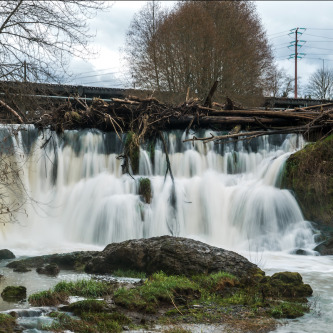
Hydroelectric power is Washington’s main source of energy. It is widely considered a green energy as it does not produce carbon dioxide or other greenhouse gases. The dams that are created to house the turbines however, do have negative ecological consequences. These negative impacts are especially felt by the pacific salmon, whose numbers have been decreasingly rapidly since the settlement of the northwest. These salmon are a keystone species, meaning that they play a vital role in the ecology of the area, and without them the food chain would be drastically different. Are the damages that these hydropower dams cause worth the renewable energy that they produce? In determining whether a dam’s negative effects outweigh their positive energy contributions one must do a case by case study. While some dams may be too ecologically damaging to be worth their produced energy, others are efficient enough, and produce electricity for a large enough population, to be worth the damage they cause.

Full Report


Impact of Climate Change on Elk

Executive Summary:

The future effects of climate change on elk are uncertain. The number of elk in the United States fell significantly in the early 20th century, but has since risen back up due to effort from conservation agencies. Elk numbers are still supported through the sale of sport hunting. The loss of habitat may cause elk to compete with local livestock population and lead to a higher rate of interaction with humans. A greater number of elk have been reported to be inflicted with digital dermatitis, linked to an increase in bacteria numbers in the environment. Along with an increase in bacteria, there has also been an increase in ticks which can be attributed to reduced snowpack and warmer winters. Climate change has led to a change in available plant species available to elk for both food and habitat sources. There are many factors that make it difficult to predict the future of elk populations from the effects of climate change.

Full Report

Newer posts »