Animating the Sea: Motion, Light and Eyes

Faculty: Ruth Hayes, M.F.A., and Pauline Yu, Ph.D.

Category

Habitats

Habitats provide food, shelter, and a place to reproduce, giving organisms the ability to continue thriving. An organism’s habitat is important to its evolutionary history, as well as how it lives, feeds, and reproduces. The organism is also greatly impacted by the ecology and ecological relationships that their habitat hosts. For example, some organisms rely on a symbiotic relationship for survival. Others have limited prey options, or need to adapt to the light levels in order to see or be seen. Habitats include the open ocean, the deep sea, coastal and rocky shores, and coral reefs.

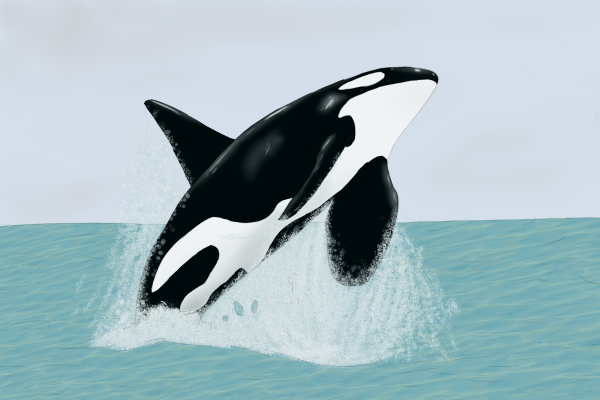
The Swimming Locomotion of Orcas and the way they Interact in a Pod

By Katie Pestinger The orca (scientific designation Orcinus orca), also known as the killer whale, is the largest dolphin species, and one of the most widespread, living in portions of all of the world’s oceans (National Geographic). They are impressive… Continue Reading →
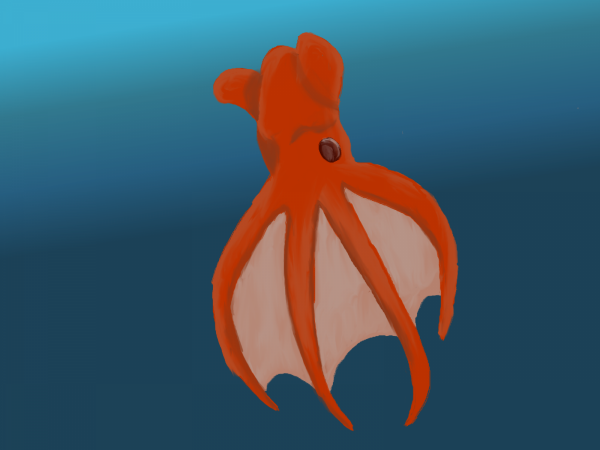
Vampire Squid Vampyroteuthis infernalis V.S Moon Jellyfish Aurelia aurita Movements Animation

In this blog post, I will be discussing What I did for my final project. I compared the movements of the Vampire Squid (Vampyroteuthis infernalis) and the Moon Jelly (Aurelia aurita).  The Vampyroteuthis infernalis, or “vampire squid from hell” are… Continue Reading →
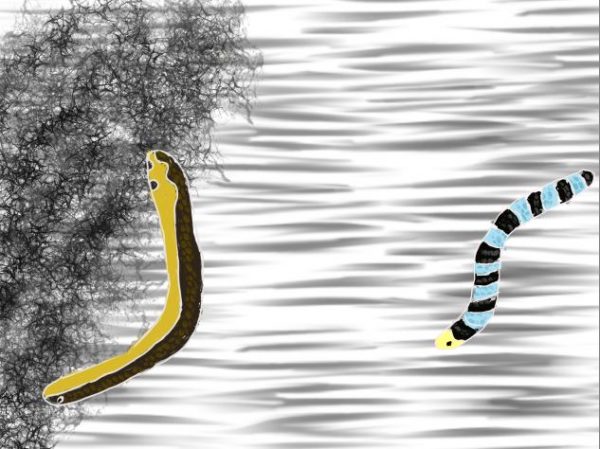
Yellow-bellied Sea Snake (Pelamis platurus) & Banded Sea Krait (Laticauda colubrina)

By Ashley Scott Introduction This paper is going to discuss habitat and life differences between the yellow-bellied sea snake and the banded sea krait. These two species are types of marine aquatic snakes that live in warmer waters, mostly in… Continue Reading →

© 2026 Animating the Sea: Motion, Light and Eyes | The Evergreen State College

Log inUp ↑