Environmental Health

WA Environmental Atlas

Tag: climate change

The Timber Industry

Tree Farming and its Effects

Executive Summary:

In the 1800 and 1900’s the logging industry took off in America. Now it is a world-wide big business reaching into Asia, South America and Africa, much to the local peoples’ discontent.  The industry is still very strong, and farming trees is fairly sustainable because trees retain carbon even when cut. But it is unnecessary to continue the business in the modern world because of technological advances and wood alternatives. Here I discuss the timber industry, its impact on the environment and its effect on indigenous peoples. I also search for alternatives to wood such as hemp, and argue for the end of logging.

Full essay found here: Tree Farming PDF (Calibri)

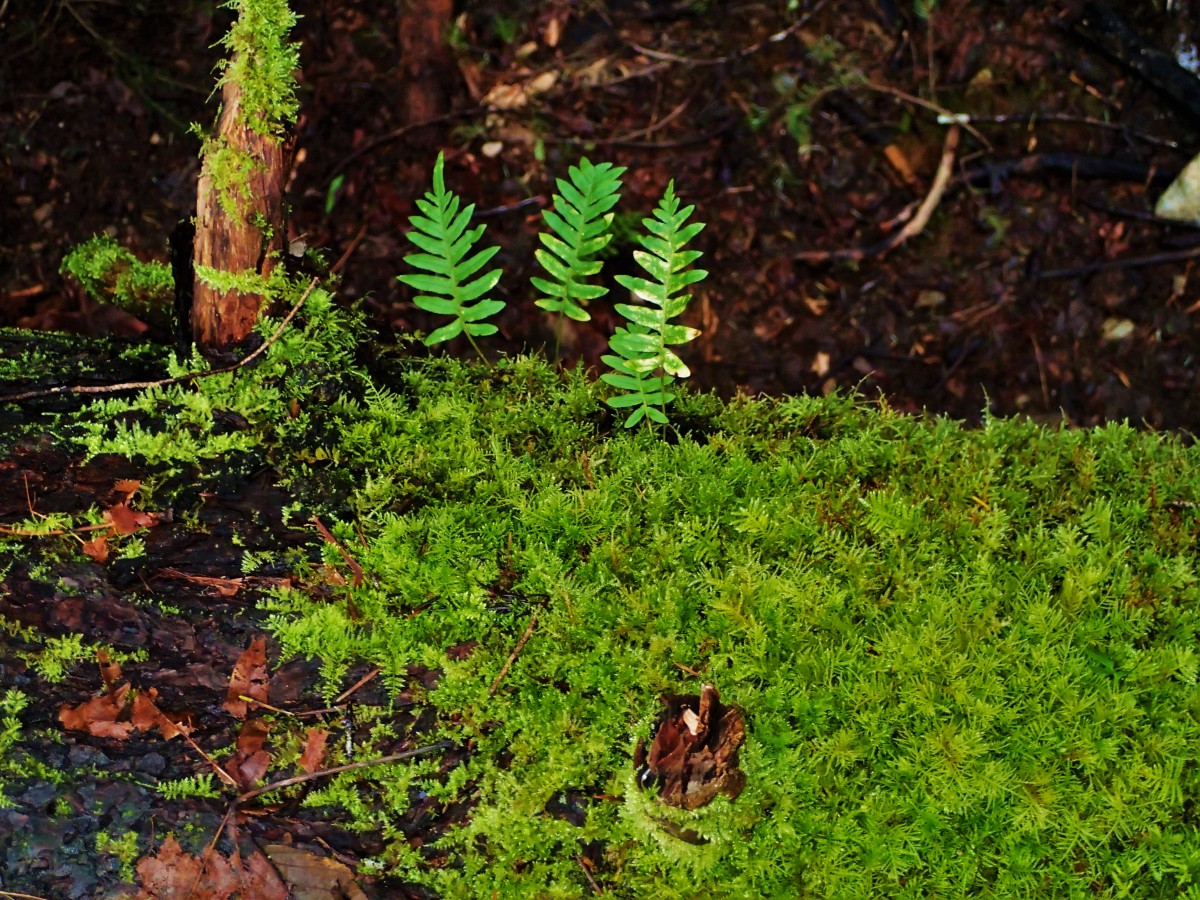
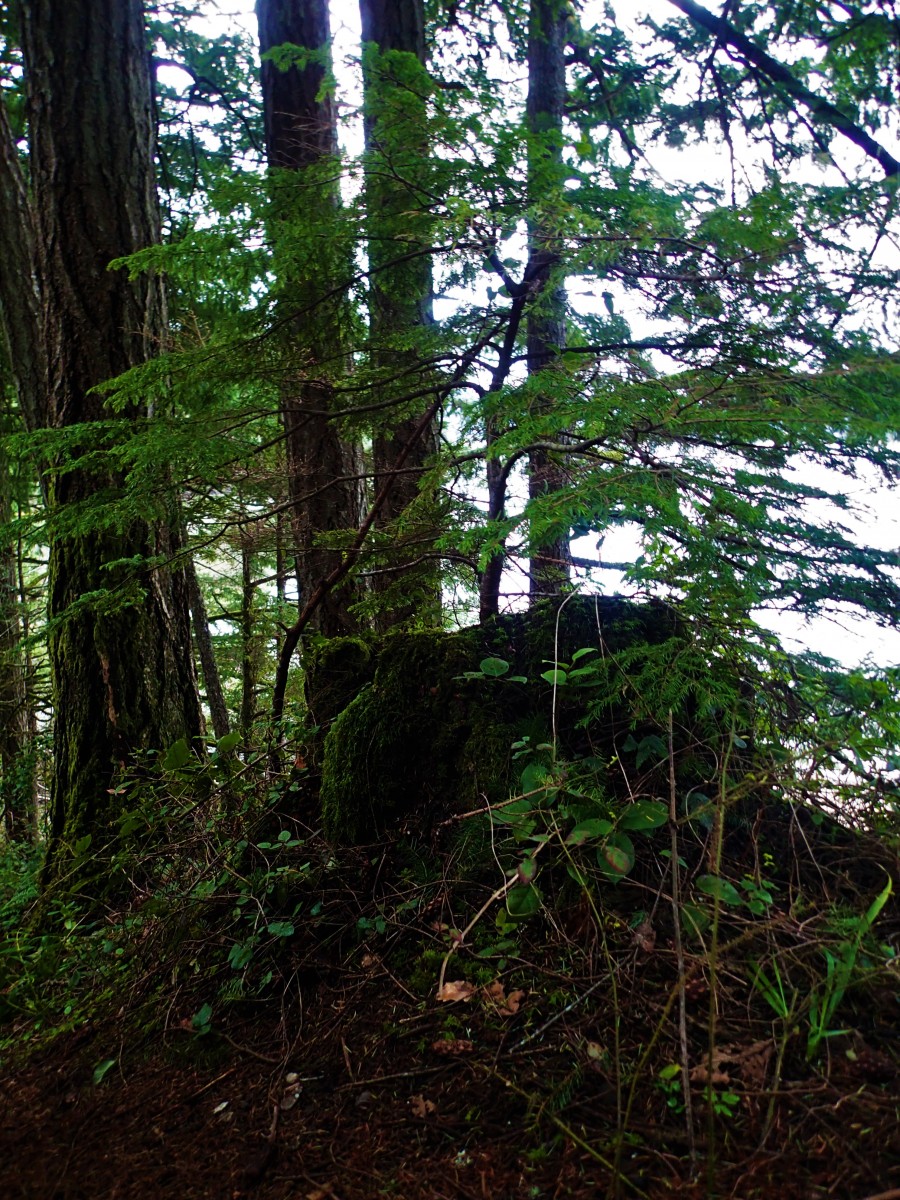
Photo Essay (All shots from T.E.S.C woods)
4

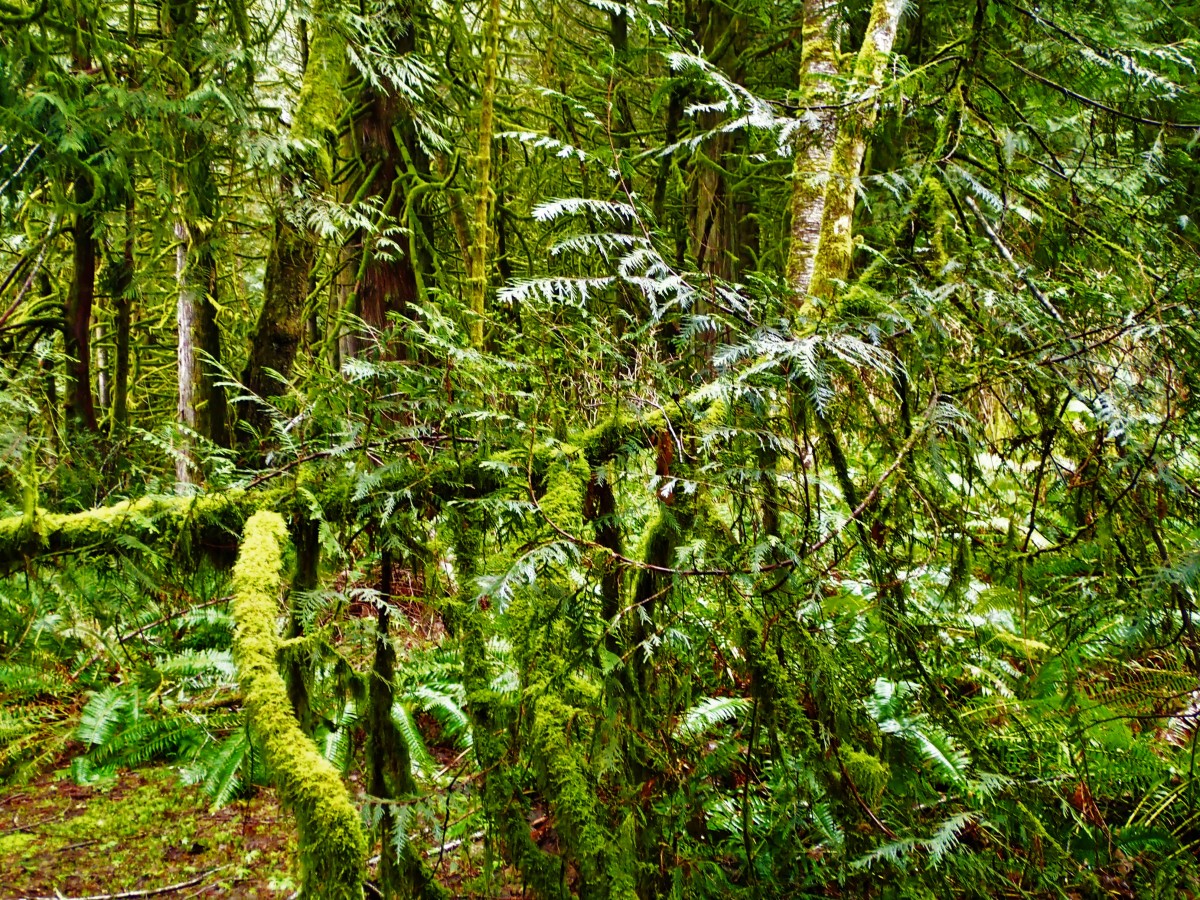
Horizontally growing tree

Ferns and moss on log
Ferns and moss on log

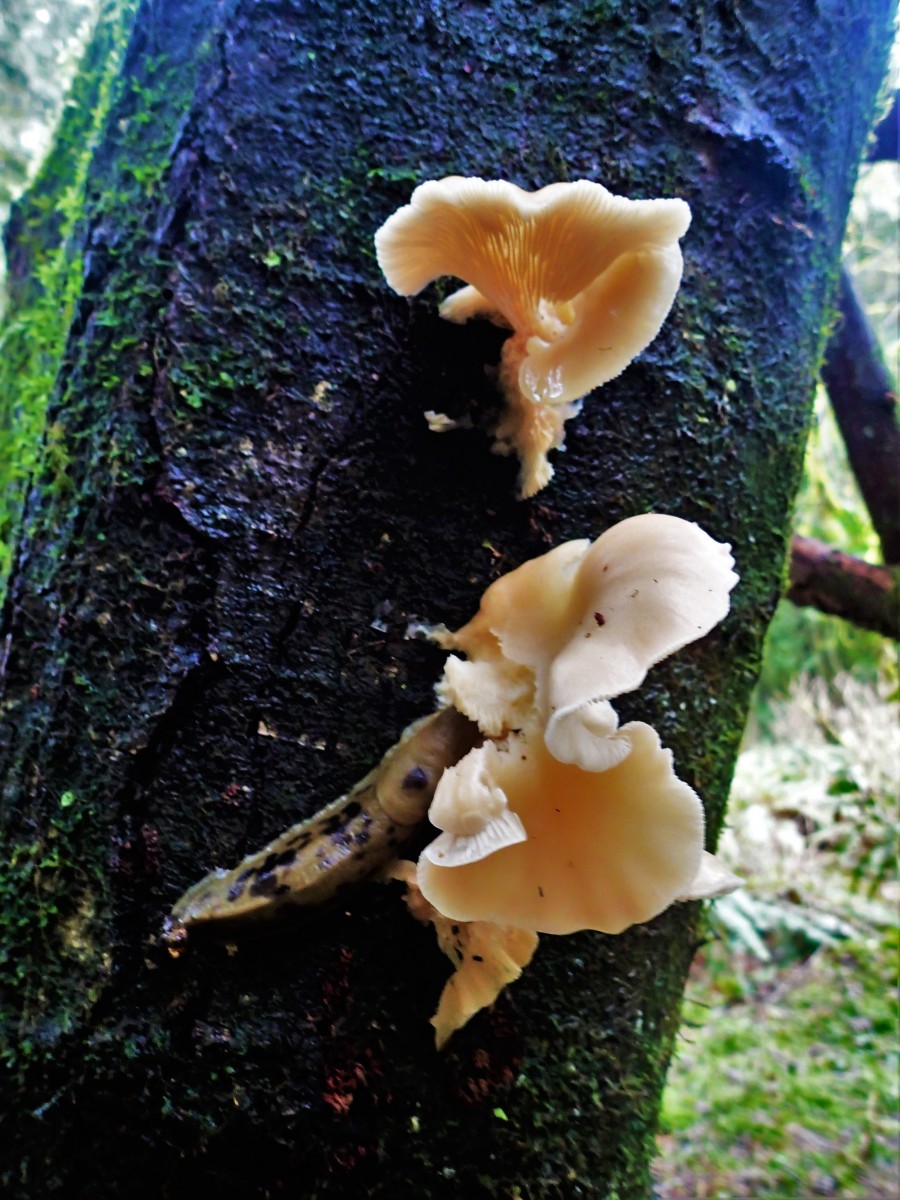
Slug and fungus living on tree
Slug and fungus living on tree

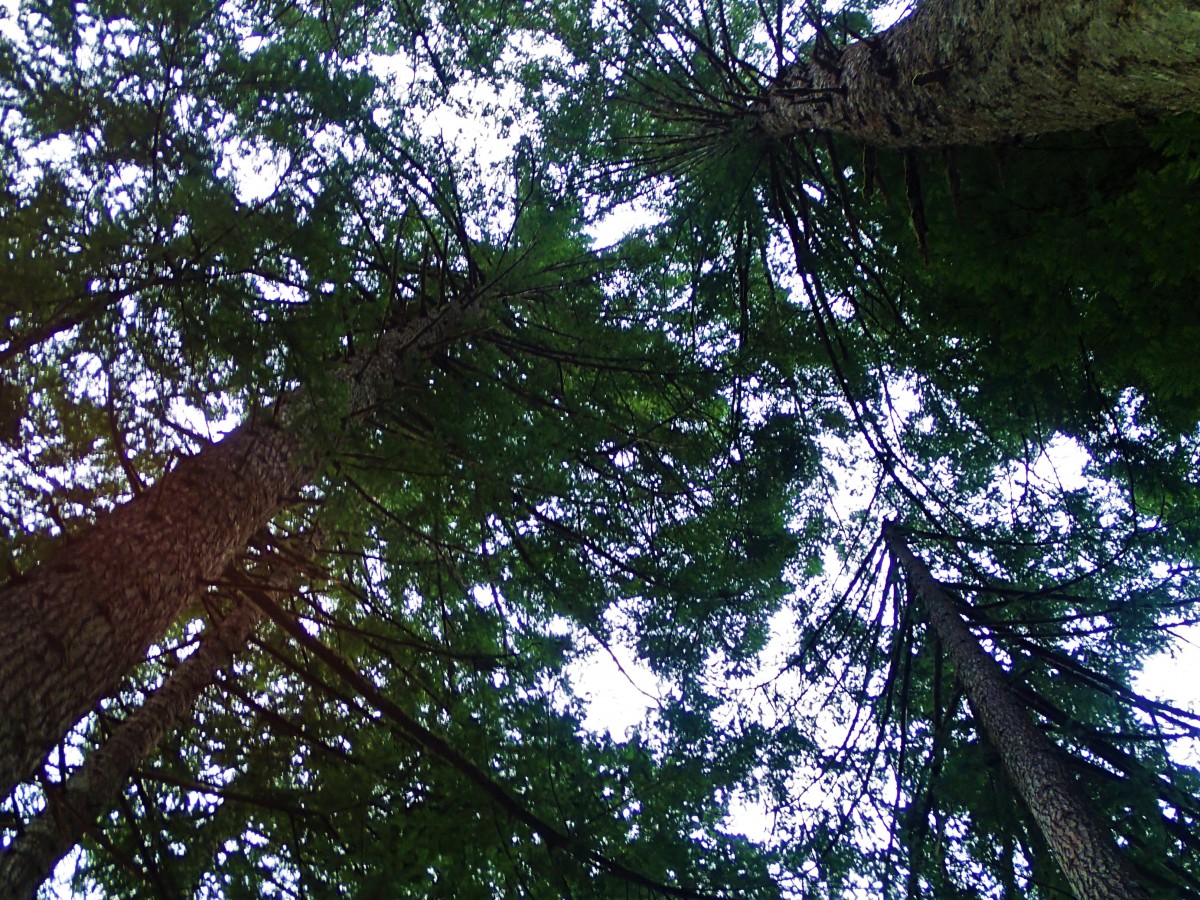
Vertical view of canopy
Vertical view of canopy

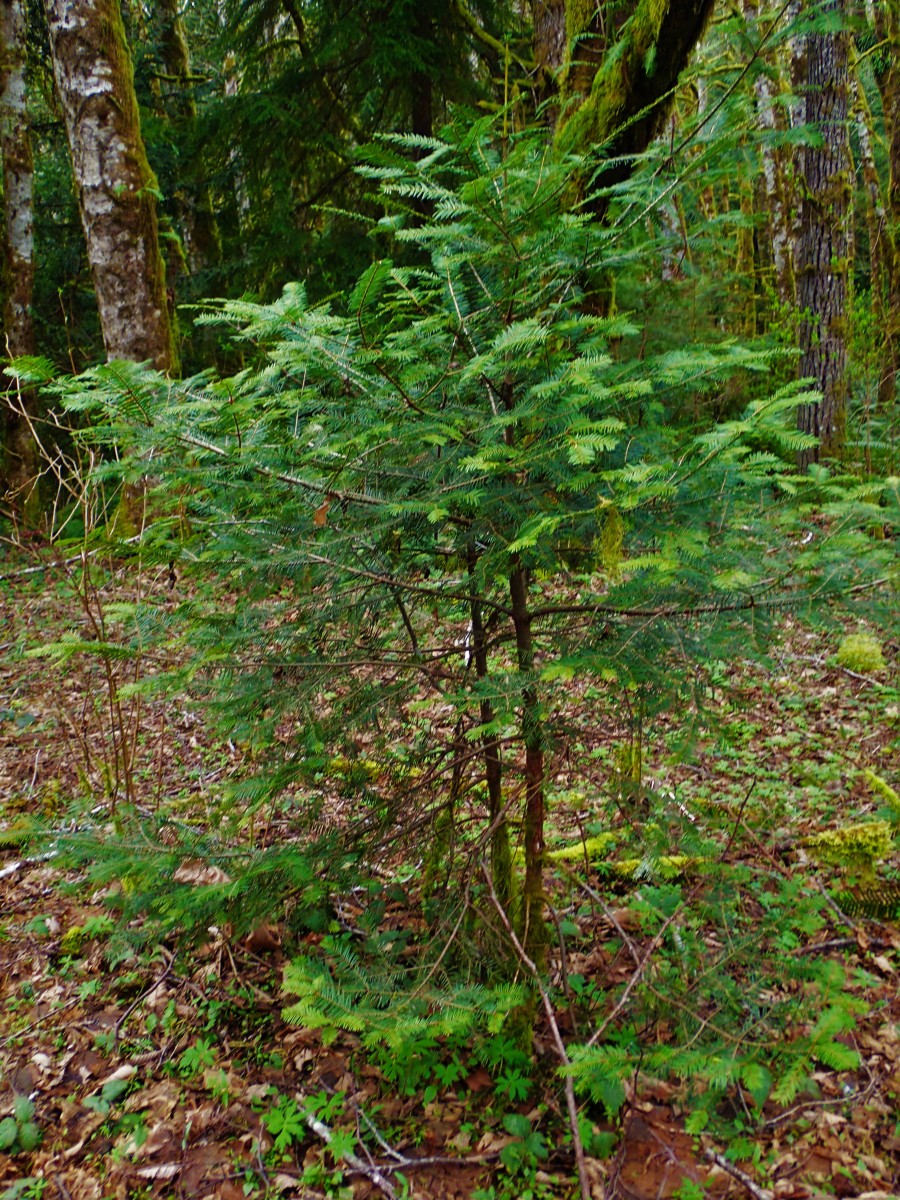
Young tree

Young tree

Young tree in nurse log
Young tree in nurse log

 

The Dairy Dynamic: The Relationship between Climate Change and Dairy Farming

Executive Summary:

Climate Change is overtaking our planet faster than we can anticipate as major corporations, industries, as well as individual citizens contribute to our global pollution. Humans, despite their inability to realize the fact, are some of the heaviest polluting animals in the world due to our interests in certain commodities. A majority of humans are conditioned to enjoy using animal products, and this is becoming a problem as climate change develops because animal agriculture is one of the leading causes of emissions of greenhouse gasses not just in the United States, but the entire world. Over 50 billion animals are raised as livestock globally each year, each one emitting waste which must be regulated. A smaller division of animal agriculture, the dairy industry, is one of the key sectors in which there is both a potential for very large yet very regulated emissions. Through proper practice of caring for the livestock and being conservative with the storage and distribution of milk, manure, and biomass, we can begin to make steps in reducing our impact on global climate change.

link to The Dairy Dynamic

Photo Essay:

A Streamlined Explanation of Anthropogenic Global Warming

EXECUTIVE SUMMARY

This report will discuss the evidence for and history of global warming in the broad sense of the term. It will make the case for the claims of climate scientists, and will also discuss dissenting arguments, misconceptions about global warming and the effects of climate change on Washington state (from the impacts on the state’s environment
to the potential repercussions on the social and economic fronts).

A significant portion of the report will also detail the history of the theory, from the Irish physicist’s John Tyndall’s first model of the greenhouse effect to the overt politicization of the subject around the late twentieth century. This will include examination of the methods used for measuring the planet’s warming phenomenon, from the increasing trends in
heat that has been trapped in the atmosphere to other direct effects such as the acidification of oceans and the detrimental effects on the polar ice caps.

A Streamlined Explanation of AGW


DSCN0447

View of Olympia Capitol Building through the dew from a west side hill.

DSCN0560

View from atop a Seattle rooftop urban farm, juxtaposing organic life with an urban landscape.

DSCN0703

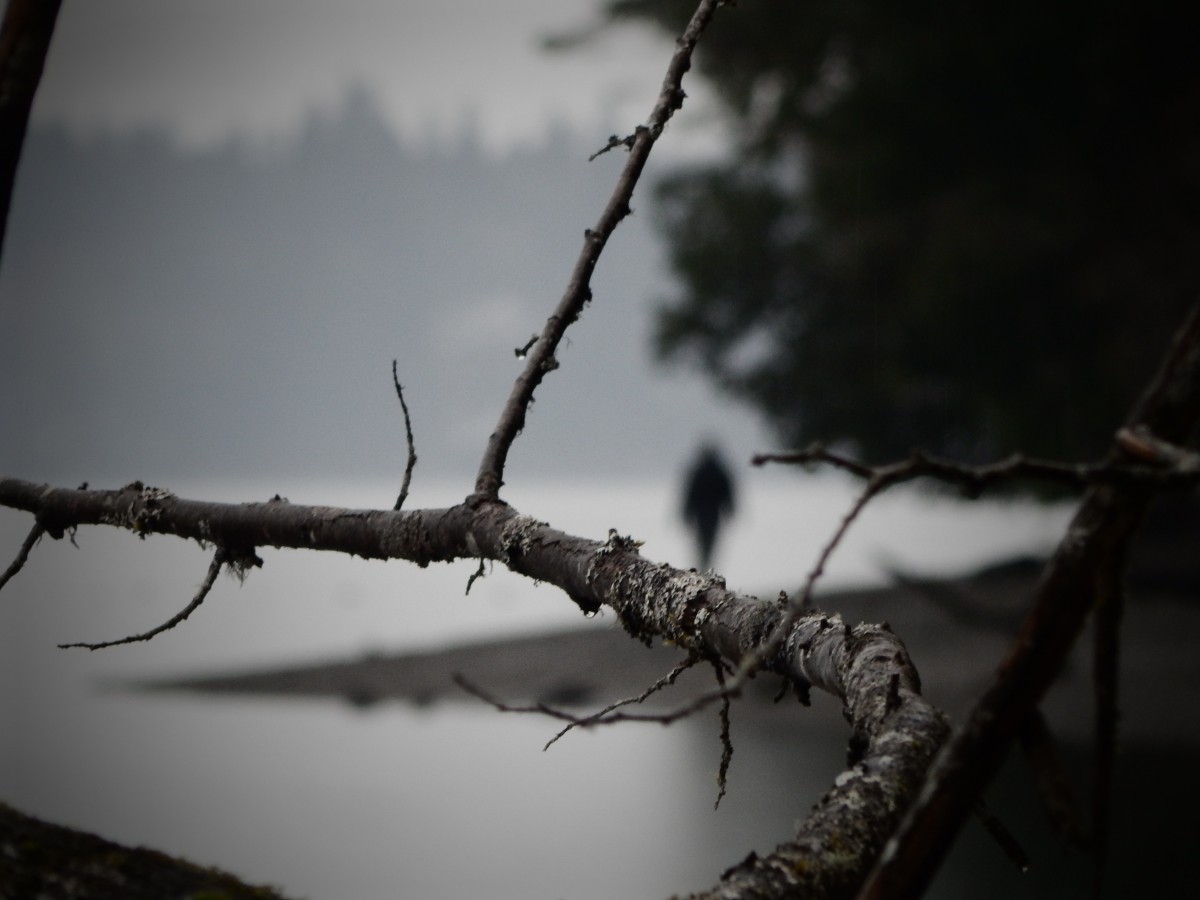
Wintry decay on an Evergreen beach.

DSCN0694

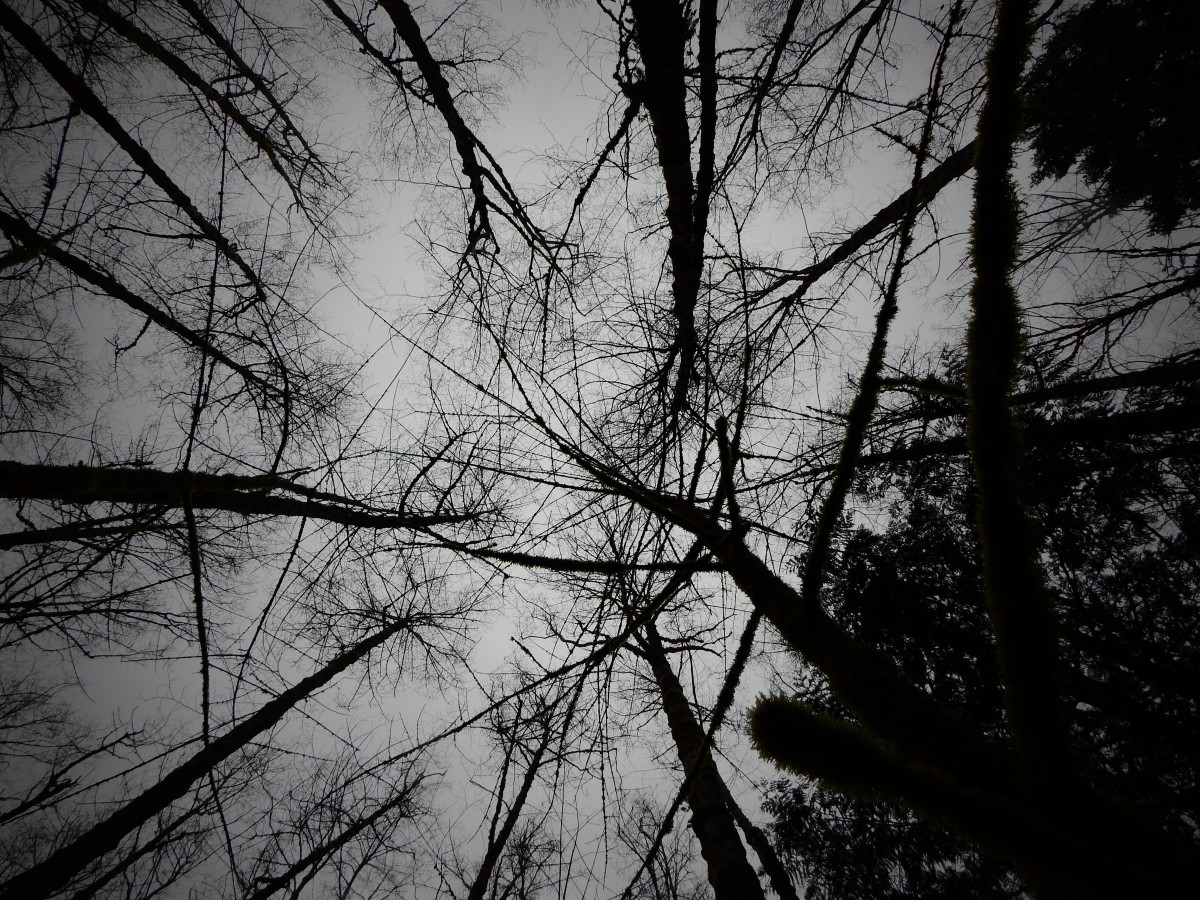
Treetops near the Evergreen State College.


DSCN0422

Murky waters in Capitol Lake.

Impact of Climate Change on Elk

Executive Summary:

The future effects of climate change on elk are uncertain. The number of elk in the United States fell significantly in the early 20th century, but has since risen back up due to effort from conservation agencies. Elk numbers are still supported through the sale of sport hunting. The loss of habitat may cause elk to compete with local livestock population and lead to a higher rate of interaction with humans. A greater number of elk have been reported to be inflicted with digital dermatitis, linked to an increase in bacteria numbers in the environment. Along with an increase in bacteria, there has also been an increase in ticks which can be attributed to reduced snowpack and warmer winters. Climate change has led to a change in available plant species available to elk for both food and habitat sources. There are many factors that make it difficult to predict the future of elk populations from the effects of climate change.

Full Report