
Executive Summary:
The population in Seattle is a little over 650,000 and is expected to grow 120,000 residents and 115,000 jobs by 2035(Seattle.gov, 2015). The urban component of Seattle, which has been drastically increasing, is planning to capitalize on growth. The policy goal is to manage Seattle in the next 20 years, focusing on protecting the natural environment, maintaining transportation, housing and open space, reducing urban sprawl and address global environmental challenges. Due to expansion, Seattle could run into serious problems with air pollution and greenhouse gases. This will affect ecosystems and changes in the environment drastically. Paying close attention to the fundamentals to reach the city’s goals and polices is important. The city’s aquatic and marine resources have seen a decrease over the past 150 years of urban growth. Lack of natural connection to the water is rising due to modification it’s requiring us to be resilience and innovated. These aquatic environments have amazing vitality and with proper maintenance these species potentially can become an even greater asset to Seattle. One of the City’s goals is to reducing emissions of carbon dioxide and other climate changing greenhouse gases in Seattle by 30 percent from 1990 to 2020, and become carbon neutral by 2050. The key component is to make the city a more delightful scenery as a major attraction. Facilities that offer natural and cultural attractions would only enhance and bring people from across the region. The beauty and diversity of the natural environment in and around our city is one of the characteristics that bring out Seattle from other cities around the world. This comprehensive plan for Seattle has long terms that depend on health and wealth the city will strive towards. We must all act as one and remember we are role models for each other.
Links
Urbanization in Seattle Report
Photo Essay
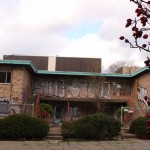
Housing
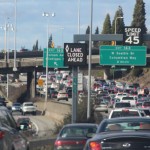
Road Transportation
Public Transportation
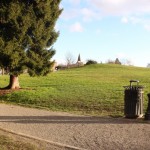
Parks and Open Space