
The Plight of Gray Wolves in Washington State
Executive Summary
The gray wolf population has been making strides under the Gray Wolf Conservation and Management Plan implemented by Washington State Department of Fish and Wildlife. Their numbers have been steadily increasing. Unfortunately, the increased numbers have caused more interaction between wolves and humans and livestock. The issues that arise pose a serious threat to the wolves. Although there are non-lethal solutions that can be taken to reduce the risk of predation, they are often not taken. Benefit compensation for livestock harm and death have been implemented to reduce the loss suffered by livestock producers. In order for the wolves to survive it is imperative that the livestock producers do their part to take precautionary measures to protect their livestock. Livestock producers can prevent or reduce the chance of such attacks in several ways, including removal of sick, injured, or dead livestock from grazing areas, use of herders and guard dogs, keeping livestock in pens or corrals at night, and delay of livestock turnout on grazing areas with wolves until after calving. Killing wolves should be the very last resort to control the threat. Non-lethal methods should be implemented and exhausted before turning to lethal methods. The recovery process has shown positive results and delisting the wolves too soon may cause their numbers to dwindle rapidly causing history to repeat itself. This may start the cycle over, causing us to lose ground. There is a need for proactive management.
Photo Essay
-
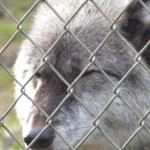
- Gray Wolf-Wolf Haven
-

- Gray Wolf-Wolf Haven
-

- Gray Wolf-Wolf Haven
-
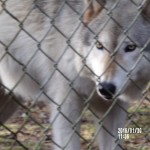
- Gray Wolf-Wolf Haven
-

- Gray Wolf-Wolf Haven
-
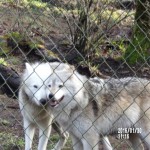
- Mating Pair-Wolf Haven