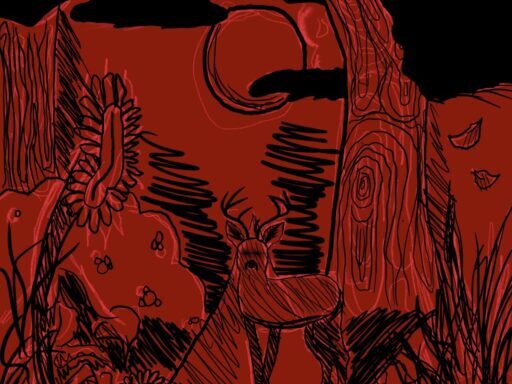
BEFORE
On the Evergreen State College campus, there is one place students can go for medical help, which is the Student Wellness Services on the 3rd floor of SEMI II B. They provide limited laboratory services for COVID, influenza, strep, mononucleosis, HIV, blood glucose, urine analysis, and pregnancy testing, as well as limited on-site pharmaceuticals, such as antibiotics, antidepressants, emergency contraception and nebulizer treatments. They are also able to perform minor procedures, such as incisions, drainage, wart removal, basic wound care and suture placement/removal and administering vaccines.
Student Wellness doesn’t just provide physical medical services though, they are also able to provide mental health care as well, providing students individual counseling, group counseling, workshops, assessments, evaluations, and referrals.
There is also the Basic Needs Center, which, while it doesn’t provide medical services, does provide housing, food, clothing and hygiene products to students.
AFTER
After the catastrophe, the few trained medical staff that were on campus when it happened became the college’s medics, though many students who had first aid, CPR, and wilderness response training also joined them to provide more support. With the elevators being an non-essential use of power, Student Wellness Services moved down to the then abandoned Einstein’s Bagels location to utilize the working water source and the easily accessible location. There was enough medical supplies in reserve to hold out decently well for the first few weeks of chaos, and after the initial rush of injuries from students venturing into the now treacherous woods, they were able to hold out with very little.
Over the counter painkillers and any antidepressants were portioned out, first to students who had pre existing diagnoses or injuries, then to others who needed them. Students who rely upon medication were the first priority once the chaos died down and some students who had their own supply of medication donated the non-vital ones to be given to students who needed them more. As supplies on things like bandages ran low, the medics did their best to wash and reuse when possible, and students with wilderness response training began to build up a stash of plants and other material that could act as a substitute. These missions to get new supplies from the forest were always small and careful, never daring to go in more than a few feet to grab supplies before darting out of the way of the now living flora.
The more research able to be done on the new plant life that had miraculously appeared, the more new salves and medicine were able to be developed using the campus’s labs. These processes were very slow, needing time for intense testing as well as breaks between running the labs, as keeping a lab up and operational for an extended period of time used up a lot of energy.
Within the medics team, there were also a few mental health professionals on campus when the catastrophe occurred, and their primary role became upkeep and organizing the bare bones medical operation, as well as providing support to students struggling with their mental health in the face of such a disaster. With how few trained professionals there are on campus, the student body began operating under an unspoken rule: only go to Wellness if it was absolutely necessary. With so many students being seriously injured, going to the doctor for a splinter or a bruised knee would only crowd the already overworked team, so students opted to help out one another.
As for mental health support, the same rule tended to apply: unless it was an emergency, don’t go to Wellness. In the stead of professional help, students began to form support groups for one another, using the larger empty buildings like the HCC to hold open gatherings for community building and support. Students who had been seeking a degree in psychology or other mental health fields did their best to support each other, even with their limited knowledge.
As the forest continues to loom and the medical supplies continue to dwindle, the future seems unsure, but the bonds of the community remain even stronger than before.
SOURCES:
https://www.evergreen.edu/student-life/health-wellness
https://www.evergreen.edu/student-life/health-wellness/medical-services