A Year in Focus
The Evergreen State College
2024-25

Message from the Director
The Center for Climate Action and Sustainability (CCAS) at The Evergreen State College is proud to celebrate its fourth year! This report provides an overview of our achievements throughout the 2024-2025 fiscal year, highlighting significant events, project and grant updates, contributions to academics and curriculum, and general impacts on Evergreen and the broader community.
The year was full of ups and downs, challenges and successes. Both nationally and in Washington State, the challenges of budget cuts and political divisiveness have greatly impacted climate and education work. Students at Evergreen were active in expressing concern about actions of the new national government, Israel’s war in Gaza, political instability in Europe and the United States, and the ongoing climate catastrophe, marked notably (in the US) by the Eaton Fire that ripped through the City of Altadena and 14,000+ acres of Los Angeles county, and by the devastating floods brought by Hurricane Helene to the western Appalachian region of North Carolina. CCAS is not immune to these political-ecological challenges. We were surprised and disappointed by the sudden cancellation of the Tribal Stewards Program grant we’d been awarded through NOAA’s Climate Ready Workforce initiative. We also felt the pressure of climate-related political changes that have raised students’ climate anxieties and fear of political repression.
Yet, on the flipside, these political-economic conditions have sparked the intersectional climate movement, a movement that has centered attention on creating positive social change for everyone. It is in this context that the work of higher education institutions has never been more important – educating and empowering the next generation of environmental leaders, informed citizens, and workers who will be facing these challenges head on. CCAS is here to embrace this challenge and help build a brighter and more just world.
I wanted to share a few highlights from the past year to demonstrate our determination and success.
We have expanded our team – welcome MES Fellows! Over the past year, we have taken on some portions of the work of Evergreen’s Office of Sustainability (which has been in hibernation since May 2024). This change has brought us funding to support MES Sustainability Fellows – current MES students who help work on climate and sustainability projects. This extra capacity has been a wonderful addition to CCAS, and we are so excited that Enija, Ian, Emma, and Gwendolyn will be able to continue working with us into the next academic year! Thanks also to alumni MES fellows Emma Wright and Amanda Rueda.
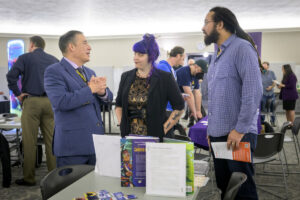
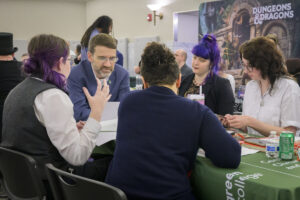
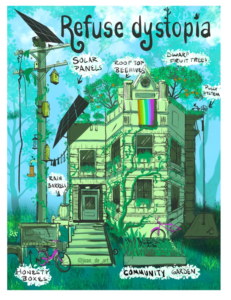
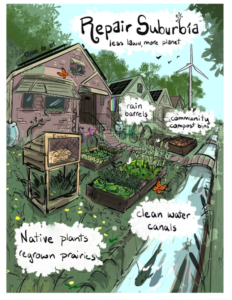
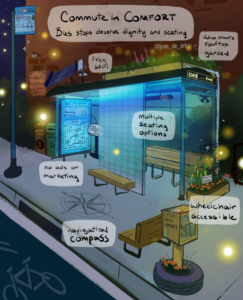
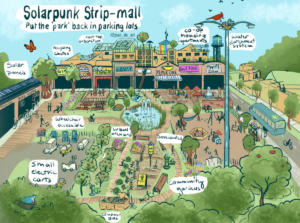
We hosted impactful events and workshops that highlighted CCAS to new communities! This year we helped organize several events including the Jose Gomez Farmworker Justice Day, the Rachel Carson Forum with the Master of Environmental Studies Student Association (MESA), and the Climate and Sustainability Symposium with the Thurston Climate Action Team (TCAT). These events brought together students, faculty, community members, and non-profit organizations to focus on important local and regional climate and sustainability issues. Additionally, CCAS staff presented and organized a number of events including a Solarpunk and game design workshop at the Equity Symposium (with faculty member Sam Saltiel), the Coyote & Crow Longhouse Game Night (with the Native Pathways Program and the Indigenous Futurists Society), and a hugely successful Climate 101 and Solarpunk Futures workshop at the Stafford Creek Correctional Facility in partnership with the Sustainability and Prisons Project (SPP).
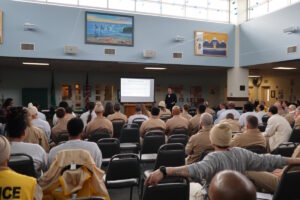
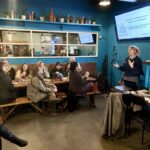
Figure 1: Dr. Levenda delivers presentation at Stafford Creek Correctional Facility as part of CCAS collective workshop with Michael Joseph and alumnus Mina Aloria.
In addition, our Climate Lecture Series featured several speakers including climate change professionals in Thurston County, Indigenous climate activists Jacob Johns and Jhajayra Machoa Mendúa, just transition advocate and scholar Dr. Mijin Cha, and green jobs expert Dr. Nikki Luke. All of these events brought important climate discussions to Evergreen, helping students learn about important climate issues locally and internationally.
We continued to advance sustainability projects on campus and beyond. In summer 2024, we saw the installation of the largest solar array ever on campus – a project funded by a $260,000 grant from the Clean Energy Committee at Evergreen, and developed in collaboration with Olympia Community Solar, MAD Energy, Campus Facilities Staff, and the students of Evergreen’s Clean Energy Committee. This project is expected to save produce an average of 99.3 MWh of electricity, saving the college approximately $10,000 a year on its utility bills. Faculty and students can now follow and use real-time data from this array in their programs. (Learn more about the solar project).
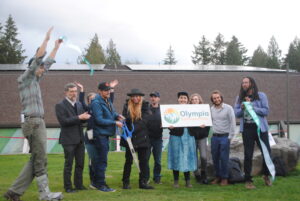
Figure 2: Ribbon-cutting ceremony celebrating the CRC Solar installation. Pictured here includes (left to right) Mason Rolph, OCS President, John Carmichael, Evergreen President, MAD SOLAR TEAM, CCAS Intern Alumni Emma Wright and Lana Jarvis, CCAS AD Michael Joseph, and Facilities manager Marshall Urist
Moving Forward! CCAS has started to work on a strategic plan that will provide us a pathway for expanding our work as a public service center dedicated to climate action and sustainability. In the coming years, we will continue to develop our role as a hub for climate action and education. This includes building on our partnerships with local environmental networks such as Thurston Eco-Net, with the Washington Higher Education Sustainability Coalition, and with governmental bodies such as the Clean Energy Technology Workforce Advisory Committee, local and Tribal governments, the State Board of Community and Technical Colleges (SBCTC), and non-profit organizations including the Thurston Climate Action Team, the Deschutes Estuary Restoration Team, Mason County Climate Justice, and many others. As the generous gifts that helped establish the Center reach their term, we are working hard on seeking new funding through grants and donations to support our work.
It was a busy and exciting year! CCAS has become a regular part of the Evergreen community, and we are excited about expanding our reach.
Mission and Vision
Mission Statement
The Climate Center at Evergreen empowers individuals and communities to take bold, actionable steps toward a just, sustainable, and climate-resilient future.
Through education, research, and civic engagement, we foster interdisciplinary collaboration, support place-based solutions, and equip students with the knowledge, skills, and experiences needed to lead transformative climate action. By serving as a hub for learning, creativity, and advocacy, we connect Evergreen to the South Puget Sound region and beyond, ensuring that sustainability efforts are both locally grounded and globally relevant.
We work to:
- Create opportunities for climate change education and professional training
- Produce and sponsor research on climate and sustainability and facilitate practical opportunities to work on these issues for students and faculty
- Build partnerships through climate action
Vision Statement
We envision a just, equitable, climate-stable world. Evergreen is a leading climate institution and model of sustainability, equity, and resilience that inspires positive change.
Core Values
- Collaboration and Connection: We break down silos and foster partnerships across disciplines, sectors, communities, and cultures.
- Equity and Justice: We prioritize equity, decolonization, and accessibility in all aspects of climate action, ensuring that historically marginalized voices are centered in decision-making.
- Resilience and Regeneration: We focus on sustainable practices that build lasting, positive impacts for people and the planet.
- Imagination and Creativity: We value emotional intelligence, curiosity, creative solutions, social imagination, and lifelong learning as the foundation and continuous drivers for meaningful climate action.
Year 4 Highlights
Throughout the year, our programs included multifaceted structures that addressed climate action, social justice, and sustainability. We used storytelling to connect with our community through a series of film screenings, fostering spaces for cultural enjoyment and sparking discussions on environmentalism, Indigenous rights, and collaborative leadership. Our quarterly Sustainability Roundtables and campus-wide events brought together diverse members of the Evergreen community to understand pressing issues, strategize about implementing various programs, and ensure better long-term maintenance of campus sustainability initiatives. Notably, the Climate & Equity Symposiums and our Summer Institute equipped faculty and staff with the tools to integrate climate action, social justice, and sustainability into their classrooms, ensuring that our efforts extend far beyond individual events and into the core of our educational mission.
Sustainability Roundtables
Fall – November 4th, 2024
This roundtable reviewed a network map of campus sustainability groups, identifying overlapping missions and opportunities for collaboration. A new Strategic Action Plan for Campus Sustainability was introduced, which aims to replace the 2009 Climate Action Plan. (That was intended to guide campus activities through 2020, but doesn’t seem to have had much effect on them.) The discussion also addressed the lack of a centralized Office of Sustainability, proposing a new model for governance, where representatives from key areas like Student Activities and Facilities would meet quarterly to streamline communication. The group also shared project resources, discussed a deadline for feedback on the new campus-wide strategic plan, and covered future events.
Winter – February 26th, 2024
“Imagining a Sustainable Evergreen” brought together students, faculty, and local partners to discuss ongoing campus sustainability efforts. The event highlighted three new student-led groups focused on food justice on campus. These groups are working to improve transparency in campus food systems, launch a sustainability campaign, and create new community garden spaces. The seminar also served as a moment to reflect the potential consequences of the recent dissolution of the Sustainability Office. Despite this setback, the event showcased a range of new green initiatives and collaborative actions, from campus pollinator projects to energy infrastructure improvements.
Spring – May 12th, 2024
The Spring event focused on a collaborative design charrette to reimagine and revive Evergreen’s communal bike shop, exploring the ways in which the club and bicycling are important for campus sustainability, accessibility, and student well-being. Administrators attended and provided important information about the inner workings of campus facilities and our decision-making structure. Attendees left with a better understanding of the logistics of beginning and maintaining a project that requires physical space.
Idea Co-Lab
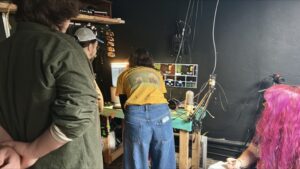
The Idea Co-Lab (Climate Cafe Series) provided a space for students to workshop climate action projects, collaborate with faculty mentors, and access sustainability resources. A key partnership with Artists with Ecology allowed MES Fellowship students collaborating with local teams to develop an art installation that doubles as an ecological data-monitoring tool. The program also featured various workshops, panel discussions, and civic engagement education sessions, all aimed at equipping the community with the tools for sustainable activism.
Earth Week Events
Farmworkers Social Justice Day, April 23rd, 2025
On March 25th, the theme of the annual José Gomez Farmworkers Justice Day was “Another World is Possible with Farmworkers’ Rights to Unionize.” Hosted by the Center for Community-Based Learning and Action, the Clean Energy Fund, CCAS, and others, the event honored the legacy of José Gomez, a member of the faculty, (as well as a Dean, a former executive assistant to Cesar Chavez, a Harvard Law graduate, and the first openly LGBTQ+ board member of the ACLU.) The event highlighted ongoing struggles since the installation of a dangerously discriminatory administration, including the recent ICE detention of Alfredo “Lelo” Juarez. A panel of speakers, including Familias Unidas por Justicia, Edgar Franks and members of the Cooperative Tierra y Libertad, shared stories of mistreatment in the workplace, from unpaid breaks to wage theft. They also showcased the cooperative model as a path to a “solidarity economy” where workers govern themselves, receive just treatment, and are protected from labor abuses. The event underscored the critical role of organization and solidarity in advocating for farmworkers’ rights and dignity.
Rachel Carson Forum, April 24th, 2025
The annual Rachel Carson Forum, hosted by the Master of Environmental Studies Association (MESA), celebrated its 40th anniversary with the theme, “Stories of Adaptation: asking ourselves how environmental work has changed over the last 40 years.” The event honored the legacy of Rachel Carson by bringing together activists, scientists, and writers to promote environmental awareness. Speakers included retired Evergreen faculty member Dr. Rob Knapp, who discussed the sustainable design of buildings, drawing on his recent book, Bananas in Snow Country. Dr. Francisco Santiago-Avila spoke on transforming our relationship with nature. and Dr. Adam Romeroexplored the potential for a sustainable U.S. agricultural system. The forum provided a platform for meaningful discussion and highlighted the ongoing commitment to environmental education and advocacy at The Evergreen State College.
Climate & Equity Symposiums
Equity Symposium Climate Lecture, April 16th and 17th , 2025
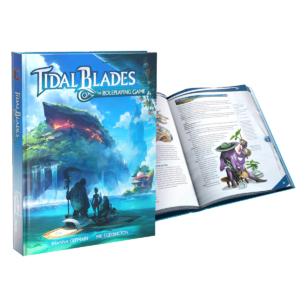
A special climate lecture, titled “Solarpunk and You,” was presented as part of Evergreen’s annual Equity Symposium. The workshop, featuring a lecture by Sam Saltiel, a presentation by CCAS’s Michael Joseph, and discussion by Anthony Levenda and Kendra Aguilar, explored the genre of Solarpunk and its ability to inspire hope and action in a world often dominated by dystopian narratives. The session used tabletop role-playing games (TTRPGs) as a vehicle for societal imagination, helping participants reflect on their individual strengths and explore practical tools for building a sustainable, equitable future. The event aimed to equip students, educators, and sustainability advocates with actionable insights on how to harness their unique abilities for climate action.
Climate Symposium, May 17th, 2025
The Thurston County Climate & Sustainability Convention, co-hosted with the Thurston Climate Action Team (TCAT), successfully brought together elected officials, staff, invited speakers, and citizens from across the county for a full day of workshops, networking, and collaborative visioning about climate and sustainability. The event celebrated the diverse and impactful work being done in the region, featuring a project and poster gallery that showcased contributions from students, staff, faculty, and other regional partners. Master’s theses and undergraduate research were also highlighted. The convention served as a platform for attendees to meet and connect, strengthening collaborative efforts for a more sustainable future in the South Sound.
Summer Institute
Teaching and Learning for Climate Action: Building a Greener World (2 days), July 28th and 29th, 2025
The two-day Summer Institute on Teaching Social Action, hosted in partnership with the Washington Learning and Teaching Center, focused on exploring Solarpunk and planning for sustainable classroom practices. The event brought together faculty and staff for a series of hands-on design sessions aimed at building climate literacy and agency in students. On Day 1, participants were introduced to the core concepts of Solarpunk and its intersection with teaching for social action. The afternoon session featured a powerful workshop led by Barbara Smith from the Native Case Studies initiative, who provided advice on the respectful integration of the college’s collection of Native case studies into curricula. Day 2 began with a seminar on Utopias, Protopias, and Dystopias, where attendees examined how imagined futures in literature and media influence our understanding of justice and sustainability. The institute concluded with a visioning and design thinking session, where participants used tools like backcasting and sustainable, measurable, action-oriented, relevant, time-bound, inclusive, and equitable (S.M.A.R.T.I.E.) goals to transform large-scale challenges into actionable steps for their classrooms.
MES Fellowship
This program, supported by an endowment from the Cargill Foundation, and now housed and expanded within CCAS, supports graduate students’ hands on contributions to projects that deepen community partnerships and drive climate action. The fellowship has historically played a key role in the college’s decarbonization planning, land stewardship, and sustainability reporting, with past fellows moving on to careers in environmental and public service leadership.
Bulkhead Removal & Salmon Habitat Restoration
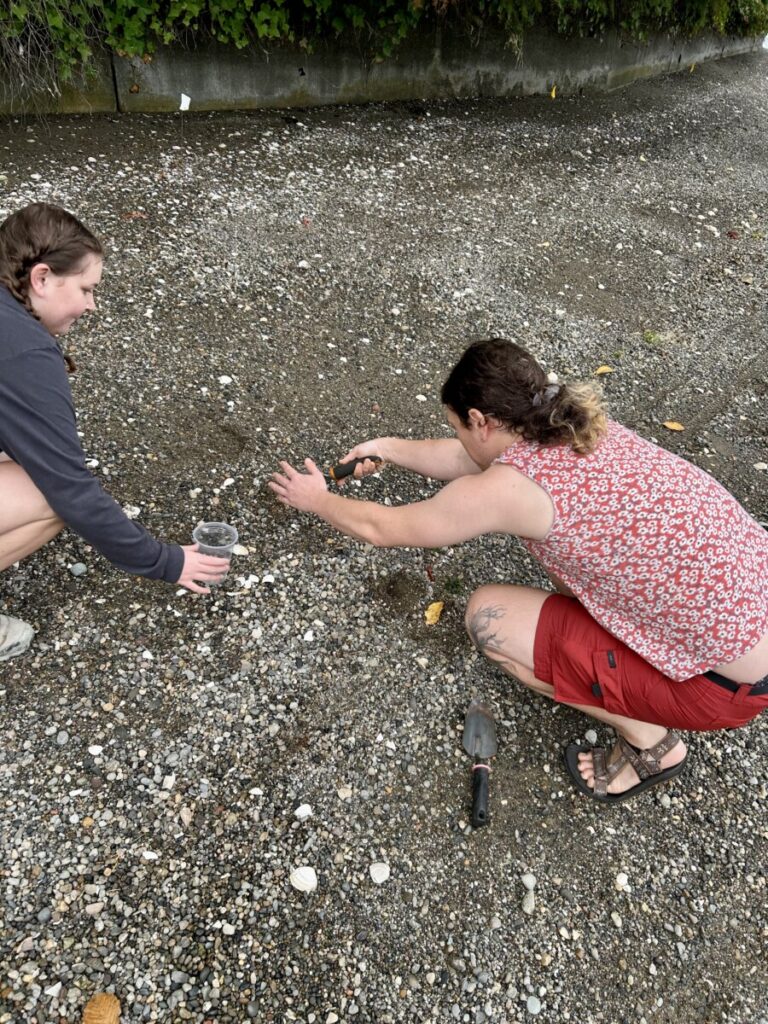
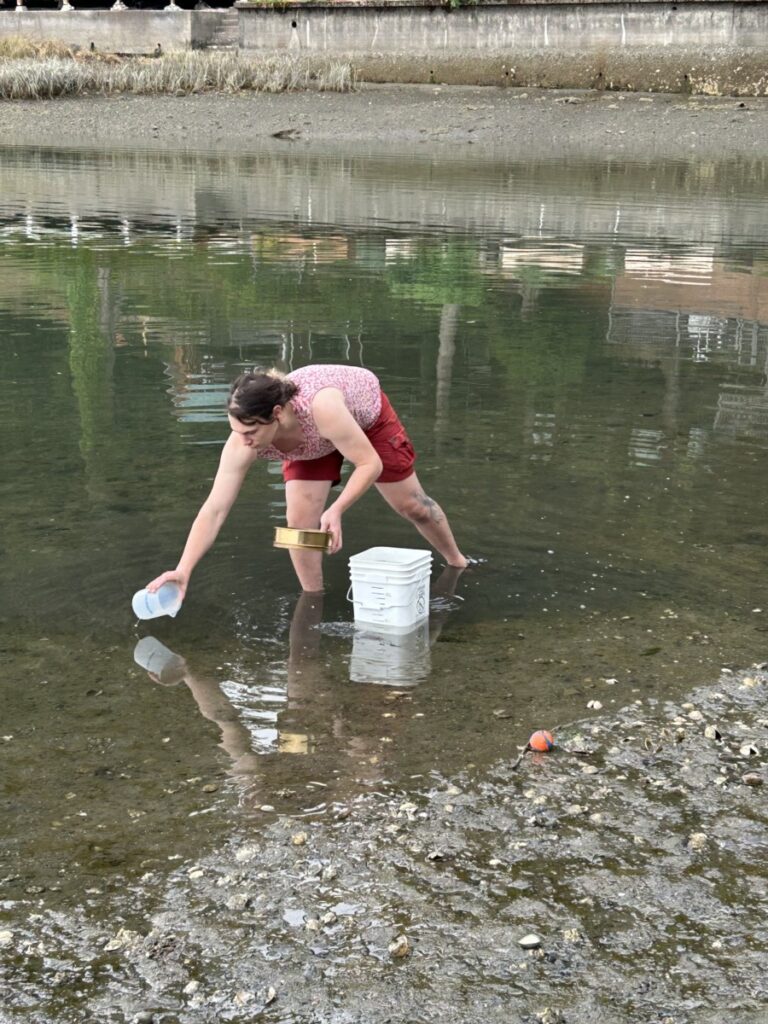
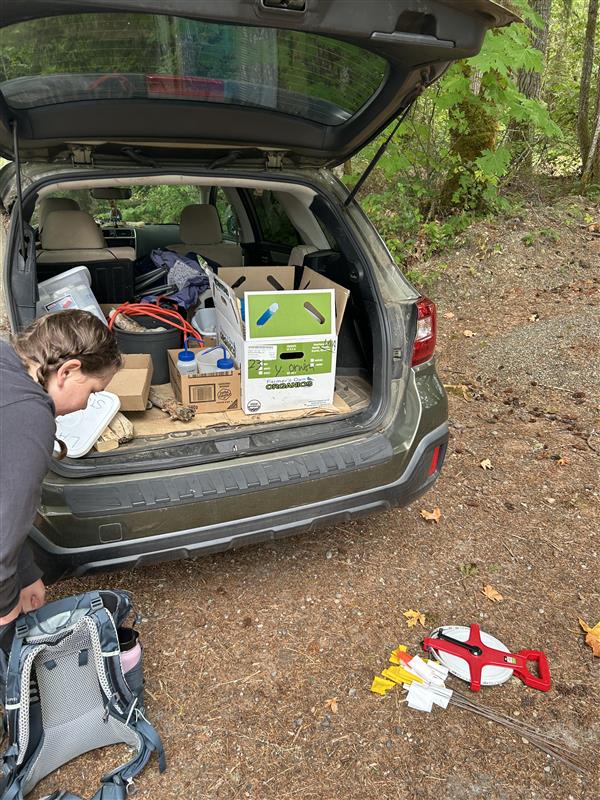
Fellows are assisting in the removal of bulkheads on the college’s beach, creating educational materials about Indigenous stewardship and coastal ecology, and collaborating with the South Sound Salmon Enhancement Group and the Squaxin Island Tribe.
Student Role: Ecological monitoring, site sampling, reflective writing, and partner collaboration.
Impact: Improving local ecological resilience, strengthening partnerships with local groups and tribes to create educational materials informed by Traditional Ecological Knowledge (TEK), developing lesson plans for faculty, ensuring long-term ecological monitoring, and hosting public events to engage the community in restoration and citizen science.
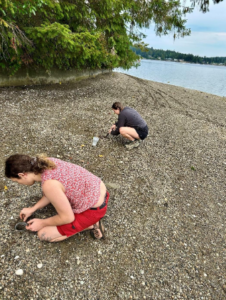
Figure 3: MES Fellows Ian Man and Emma Hamaker-Teals setting pit traps for sample collection
Deschutes Estuary Restoration Team’s (DERT) Community Envisioned Deschutes Estuary (CEDE) Series
Fellows are working to assess and coordinate with CCAS partner DERT to understand the feasibility and logistics of CEDE, with the goal of participating in the Deschutes Estuary restoration.
Student Role: Leading the research and design process, developing a framework for a functional, scalable prototype.
Impact: Production of an innovative floating wetland prototype, integrating art and ecology to create a blueprint for future environmental restoration and public education projects in the Puget Sound estuaries.
Evergreen Story Maps Initiative
Fellows are working to create a shareable, visually appealing, and easy-to-navigate ArcGIS Story Map that introduces The Evergreen State College through a sustainability and ecological lens
Student Role: Maintaining and editing ArcGIS map, as well as acting as liaison between faculty and staff for content creation and distribution.
Impact: This virtual and self-guided tour will highlight Evergreen’s green initiatives, sustainability efforts, student resources, and ecological features to serve as an introduction for prospective students, a companion for on-campus visitors, and a tool for programs like MES orientation and Greener Foundations.
Climate Action Plan Reconstruction
Students are working to revise Evergreen’s Climate Action Plan (CAP) by building a shared understanding of what makes a strong sustainability plan, learning from past efforts, and compiling research on best practices. This project involves evaluating the existing plan’s strengths and weaknesses and setting new goals and targets for campus sustainability.
Student Role: Research, summarize, and contextualize past and current sustainability planning efforts. Prepare foundational materials that can guide future development of climate and sustainability action plans.
Impact: The condensed and digestible history, context, and general notes will ensure that other entities can make informed decisions in the formation of CAPs down the line.
Climate Lecture Series
The Climate Lecture Series served as a cornerstone of the Climate Center’s educational programming, fostering meaningful dialogue on pressing environmental and social issues. Over the past year, we hosted a range of scholars and practitioners who engaged the campus and broader community in critical discussions. Additional abstracts and speaker bios can be found at https://www.evergreen.edu/climate/events-and-workshops. Below is an overview of the lectures, their themes, and audience impact:
Water and Environmental Justice in Renewable Energy Transitions – Dr. Alida Cantor – October 26, 2024
This lecture highlighted the ways in which renewable energy projects, despite being crucial for climate change mitigation, can disproportionately affect vulnerable communities. leading to environmental injustices and disputes over land and water. Dr. Cantor shared her research on the hydro social cycle impacts, imaginaries, and environmental justice issues tied to water-energy transitions in the Western United States. Dr. Cantor is an Associate Professor of Geography at Portland State University.
Climate Action in Local Government – Dr. Pamela Braff, Linsey Fields, Rebecca Harvey, and Alyssa Jones Wood – November 18, 2024
A panel focused on the work of the Thurston Climate Mitigation Collaborative discussed local and regional climate action. Climate professionals in local and county government shared their experiences in meeting greenhouse gas reduction goals and building climate resilience for communities in the South Sound. They responded to questions about the challenges and opportunities for climate action, particularly in the face of potential reductions in federal support for mitigation and adaptation efforts. Dr. Pamela Braff is the Director of Climate Programs for the City of Olympia. Linsey Fields is the City of Lacey’s first Climate and Sustainability Coordinator. Rebecca Harvey is the Thurston County Commissioners’ Climate Mitigation Senior Program Manager. Alyssa Jones Wood is the Sustainability Manager for the City of Tumwater.
Voices of Resistance – Jacob Johns, Jhajayra Machoa Mendúa, Kayla Jenkins – January 22, 2025
This panel explored the intersection of climate justice and Indigenous rights, addressed the struggles for Indigenous sovereignty and self-determination, and discussed their hopes for collective action to tackle the climate crisis. Jacob Johns is a climate justice organizer and current Eastern Washington University activist-in-residence. Jhajayra Mendoza Mendúa is a land and water protector who serves as spokesperson for A’i Cofán people. Kayla Jenkins is an Indigenous Outreach & Education Advisor for the Ecuador-based Kuan-Kuan Foundation.
Just Transition: Ensuring Equity in the Shift to a Carbon Free Economy – Dr. Mijin Cha – February 19, 2025
Dr. Cha shared her expertise on climate and environmental justice, labor/climate coalitions, and the intersection of inequality and the climate crisis. A discussion followed on the critical topic of strategies and policies needed to transition to a sustainable, carbon-free economy while protecting the rights and livelihoods of workers and communities. Dr. Mijin Cha is an Assistant Professor in the Environmental Studies Department at the University of California, Santa Cruz
Empowering the Energy Workforce: Uneven Geographies of Apprenticeship, Wages, and Employment in the US after the Inflation Reduction Act – Dr. Nikki Luke – April 25, 2025
Dr. Luke explored the intricate dynamics of energy governance and its impact on labor and communities. Drawing from her extensive research in urban geography, she discussed the ways in which power relations rooted in race, gender, class, and ability influence energy policy and the organization of energy justice movements. With a particular focus on the American South, Nikki highlighted the challenges and opportunities faced by workers in the energy sector. Dr. Nikki Luke is an Assistant Professor of Geography at the University of Tennessee
Highlights and Impact Overview – Climate Lecture Series
The lecture series successfully aligned with the Climate Center’s mission to inspire informed action by showcasing diverse topics, including water and environmental justice in renewable energy transitions, the challenges of climate action in local government, indigenous resistance, and strategies for a just transition to a carbon-free economy. One notable outcome was increased collaboration on curriculum development and the integration of new ideas into faculty discussions. The series succeeded in encouraging critical thought and the making of new meaningful connections between issues affecting ecological and sociological sectors by students, staff, faculty, and community members.
Student Initiatives Towards Sustainability
Edible Campus
Evergreen’s Edible Campus program is a hands-on, student-led initiative focused on the history, science, design and management of edible landscapes, and on actually creating socially inviting and sustainable edible landscapes across campus. The Climate Center has an ongoing relationship with the class, often serving as a counselor and providing crucial information and guidance as the program navigates facilities and the campus’ land management entities. In the past year, students engaged in a wide range of practical projects, including land and soil assessments, organizing focus group feedback, creating food forest maps, and preparing to build new gardens. The program, which operates year-round as a 14 credit offering each quarter, teaches students the fundamentals of agroecology, horticulture, and applied quantitative skills through hands-on practice. Students apply principles of agroecosystem diversity, soil science, and resource recycling while learning about plant growth, garden management, and site assessment. The program emphasizes a holistic approach, exploring the human dimensions of food traditions, the dynamics of governance, and the functioning of solidarity economies. Students learn to use practical tools like design thinking and data analysis to turn their ideas into reality, transforming the campus into a living laboratory for sustainable change.
On-campus Bike Shop Revival
Efforts are currently underway to create “Bike Shop 2.0,” through a student-led initiative focused on creating a functional and community-oriented space to revive the campus bike shop. Students are involved in building equipment, creating an inventory system, and planning future events. The project is focused on recruiting and building support, negotiating with facilities and the administration for space, and serving the Evergreen campus as an official “shop”. Students have already held multiple “Bike Repair Clinics” around campus, using pop-up stalls where students and community bicyclists have been able to service their vehicles on the go. The long-term plan includes developing sustainable fundraising strategies and engaging with the community to ensure the bike shop’s longevity. Over the last year, CCAS has provided the Bike Shop crew with spaces for discussion and creative planning and has aided with project management.
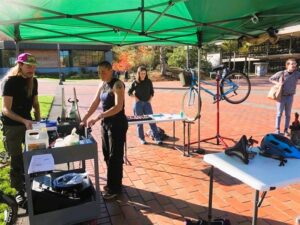
Figure 4: A pop-up Bike Repair Clinic held on Evergreen’s Red Square in early fall of 2024
Film Screenings
Nausicaä of the Valley of the Wind, September 24th, 2024, in partnership with Evergreen’s Center for Entrepreneurial Leadership and Transformational Change (CELTC)
The Climate Center, CELTC, and the Evergreen community came together to kick off the year with a reflective and powerful film in tune with current events. Nausicaä of the Valley of the Wind follows human society post-collapse. A small group led by a young woman navigates a ravaged environment in hopes of bridging communities in conflict and the remainders of the natural world. Far more than a movie night, the event used the film’s themes of environmentalism, leadership, and hope to connect with students’ own passions for sustainability and social justice. Concluding with a post-film discussion, the evening highlighted the importance of representative media, focusing on how widely the story resonated. Conversations about activism, climate anxiety, and the balance between science and empathy sparked critical thought and social imagination, providing a guiding light for first year students as they began their own journeys at Evergreen with images and subsequent reflection about the possibility of creating a better future.
Fish War, November 18th, 2024, in partnership with CELTC and s’gʷi gʷi ʔ altxʷ House of Welcome
Later in the fall, CCAS hosted a screening of the documentary Fish War at the s’gʷi gʷi ʔ altxʷ House of Welcome. The event, held in honor of Native American Month, showcased this film, produced by Northwest Treaty Tribes and the Northwest Indian Fisheries Commission. Fish War details the long-standing fight for Indigenous fishing rights in Washington, drawing connections to critical issues of climate action and treaty rights. Following the film, a panel discussion featured speakers with expertise in Indigenous rights and environmental justice. The event successfully brought together students, faculty, and community members to engage in a meaningful dialogue about the historical and ongoing struggle for justice and tribal sovereignty.
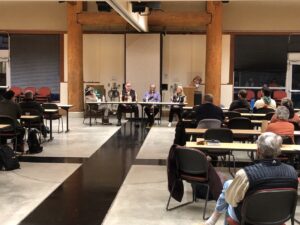
Figure 5: Post film discussion panel
Finding Common Ground, February 24th, 2024, in partnership with CELTC, the Master of Environmental Studies Student Association, and s’gʷi gʷi ʔ altxʷ House of Welcome
This documentary screening offered an in-depth look at how diverse groups in the Pacific Northwest have overcome historical conflicts to address major conservation challenges. Finding Common Ground follows the historical evolution from the “Fish Wars” to landmark agreements like the Centennial Accord and the Yakima Basin Integrated Plan. The film features interviews with key figures such as Ron Allen, Christine Gregoire, and Urban Eberhart, underscoring the ways in which collaborative leadership has led to innovative solutions in natural resource management. Following the screening, a panel of experts discussed the film’s themes, providing further insight into fostering collaborative approaches to contemporary issues.
Olympia Green Drinks
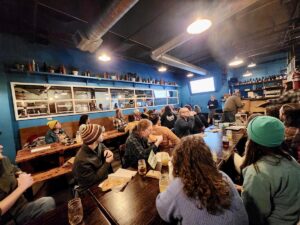
The Center for Climate Action and Sustainability has maintained a valuable partnership with Olympia Green Drinks, a grassroots network that provides a vital way to connect students’ work at the college with environmental professionals and ongoing community activity. This collaboration provides a unique opportunity for students to connect with ongoing work on climate and environmental solutions in a simultaneously informal and professional setting.
Every month, these gatherings bring together a diverse group of professionals from NGOs, academia, government, and business. Students can connect with these experts, building professional relationships which contribute to creating a connected regional landscape of environmental advocates. This format fosters serendipitous connections and the organic exchange of ideas, helping students go beyond theoretical concepts by engaging with real-world applications of their studies.
Impact
- Beyond the Classroom: Green Drinks provides a critical space for students to reflect, discuss, and get involved in working on regional environmental issues in an informal setting. This exposure can inspire creative research and projects, including solutions that directly apply their coursework.
- Networking: By attending, students build meaningful connections with environmental professionals, significantly enhancing their career prospects.
- Learning from experts: Guest speakers, including community leaders and professionals, provide students with direct exposure to real-world environmental initiatives and organizational models. This dialogue helps bridge the gap between academic theory and practical applications.
Through this partnership, CCAS has successfully created an ongoing, dynamic, and impactful forum that supplements traditional academic learning with essential professional development and networking opportunities.
Guest speakers during the 2024-2025 Green Drinks season included:
- Maurice “Mo” Majors, Washington State Park Archaeologist
- Kelli Bush, Sustainability in Prisons Project
- Rhys Roth, Center for Sustainable Infrastructure
- Presenters from Evergreen’s Center for Entrepreneurial Leadership and Transformational Change
- Dr. Pamela Braff, Director of Climate Programs at the City of Olympia
- Alyssa Jones Wood, Sustainability Manager for the City of Tumwater
- Sarah Hammon, Olympia Ecosystems
- Phoebe Cross, Thurston ECO Network
Student Worker Program
Our Student Worker Program offers participants hands-on opportunities to contribute to campus sustainability initiatives while developing professional skills. Distinct from the Community Internship Program and MES Fellowship, this program employs students directly within CCAS to support its mission and projects.
Student workers are vital to CCAS’s operations, assisting with office and social media management, event coordination, and communications. Over time, many students have taken ownership of specific programs, acting as liaisons with other departments and advancing initiatives that staff did not have time to prioritize. This program has significantly enhanced our work while providing students with valuable skills in event planning, communications, and stakeholder engagement.
Many student workers also grow as leaders, managing programs and fostering new collaborations. Recently, we celebrated the graduation of Aeowyn Isobel, our lead editor and office assistant, who completed her undergraduate degree at Evergreen.
Moving forward, CCAS plans to expand the program by offering additional training opportunities, increasing student-led initiatives, and establishing mentorships with professionals in the sustainability field. The Student Worker Program embodies Evergreen’s commitment to hands-on learning, preparing students to become leaders in climate action and beyond.
Additional Partnerships, Workshops, Projects, and Conferences
Partnership – Thurston ECO Network
This winter, CCAS officially joined the Thurston ECO Network, a coalition of sustainability and outreach professionals. As a member, we have worked to expand educational partnerships, community engagement in climate and environmental issues, and professional development opportunities for sustainability practitioners throughout the region.
Workshop – October 30, 2025, Climate 101: Science, Policy, and Justice, in partnership with the Sustainability in Prisons Project
The Center for Climate Action and Sustainability, in collaboration with the Sustainability in Prisons Project (SPP), a partnership founded by the College and the Washington State Department of Corrections, and with the Evergreen Liberation Education Network (ELEN), hosted an 80-minute workshop on the intersection of climate science and social justice at the Stafford Creek Correctional Facility. The session was led by Dr. Anthony Levenda, whose presentation included a concise overview of climate science and a discussion on climate justice, highlighting present social inequalities and subsequent downstream effects following ecological degradation. Michael Joseph closed with an inspirational discussion of Solarpunk futures, leaving listeners with a foundational understanding of climate change and its impacts. The workshop concluded with reflective writing and group discussions, where participants considered the skills and actions needed to build a more sustainable world.
Workshop – Climate Game Nights
CCAS, Native Pathways Program, and the Indigenous Futurists Society: Coyote & Crow – March 8 & 9, 2025
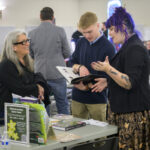
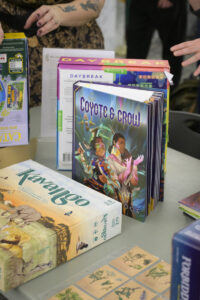
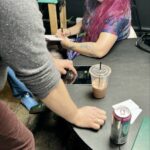
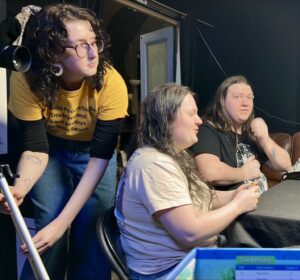
The Coyote & Crow Longhouse Game Night, co-hosted with the Native Pathways Program and the Indigenous Futurists Society, introduced students to indigenous futurism through storytelling and role-playing. Participants engaged in a collaborative, narrative-driven experience to explore sustainable and decolonized relationships with land and technology.
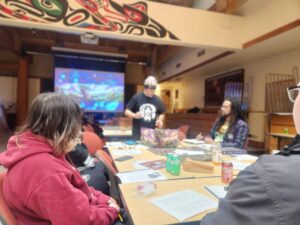
Figure 6: Students and staff engaged in a Coyote & Crow game!
CCAS and International Study Abroad Office: Climate Games Day – April 9, 2025
In partnership with Evergreen’s International Study Abroad program, we hosted an afternoon of games and snacks where participants tackled resource-trading challenges to spark creative solutions to climate adversity.
CCAS and MESA: Eco-Games Night – May 8, 2025
Organized by the Masters in Environmental Studies Association and supported by CCAS, this relaxed and welcoming afternoon of nature-themed board games provided a light-hearted adventure filled experience!
Project – Hydroponics Research Continuation at the Tacoma Campus
On the Tacoma campus, an ongoing project has been developing a hydroponics curriculum and research program to address food insecurity and improve access to healthy foods. This initiative aligns with Evergreen’s goal of becoming a hub for sustainable urban agriculture education. Students have been instrumental in integrating their hydroponics research into kitchen spaces, working to bridge the gap between campus-grown food and student-run food services.
Conference – The Washington Oregon Higher Education Sustainability Conference (WOHESC)
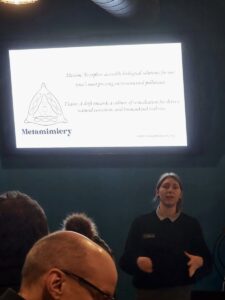
Students, faculty, and staff from The Evergreen State College attended the 2025 WOHESC conference in Portland, Oregon. This marked a milestone year for Evergreen’s involvement, with a staff member presenting material and representing the college for the first time. Assistant Director Michael Joseph led an interactive session titled “Solarpunk and You: How We Can Change the World.” Employing table top role playing games and writing exercises helped participants imagine climate and social resilience. Additionally, a student represented Evergreen in the Sustainability Design Challenge, bringing back insights on design thinking strategies to enrich campus projects. The conference reinforced CCAS’s commitment to environmental leadership, served as a bonding experience for staff, and provided important networking opportunities.
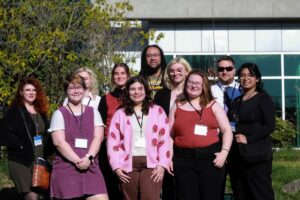
Figure 7: Students and staff after attending the conference
Conference – Critical Edge Alliance
This June, Evergreen hosted the international Critical Edge Alliance conference, bringing together educators and innovators from around the globe. The Center presented imaginative actions institutions can take in the face of climate change and federal opposition at the conference, sharing practical strategies for resilience and collaboration. The presentation was created and delivered by both students and staff, who conducted background research and contributed to the content. The team showcased how Evergreen is responding to systemic challenges through various institutional initiatives.
Conclusion
Continue reading