Musical Cities

The Evergreen State College

Tag: Uncategorized (Page 12 of 27)

I’m waaayyy up I feel blessed.

image1

Feels like we’re officially in the second “part” of this trip. During the initial two weeks we were still settling in. Also, Steve and Kory both left the OC for a few days at the same time, so I had space to feel everything out, read, recover from the initial blast of traveling. Now that we got what we need, know where the basic necessities are (including knowing where the closest açai bowl, taco, and coffee places are), it feels like every day’s hours are valuable.

This weeks readings were from Made to Stick by Dan & Cheap heath. The book talks about how to make your ideas “sticky” so that they are successful in the world. Even the authors say it’s a little corny, but it walks the reader through the S.U.C.C.E.S’s acronym and so far I’ve learned that a sticky idea is simple, unexpected and concrete. “If you say three things, you don’t say anything” a simple idea is not a short sentence – sound bites are not the ideal. Proverbs are the ideal. We can use surprise, to grab people’s attention. But surprise doesn’t last. For our ideas to endure they must generate interest and curiosity – be unexpected. For an idea to be clear it’s got to be explained in terms of sensory information. We cant picture an abstract idea like truthfulness because not many pictures pop into your head when you hear it, but we can understand a concrete idea like a watermelon because we tie taste, feeling, places we bought it, people we were with, all together to remember idea.

So, I started to take some of these concepts out past the walls of the surf shack up to Huntington Beach pier yesterday. We wanted to get a feel for HB especially because Steve hadn’t really had a chance to check it out. We skated for four hours and watched some surfers – from the pier – for about 30 minutes. It was a terrible day for surfing except if you were right up along the North or South side of the pier, which implies you’re either a local or a really talented ripper. I was watching one of the two, or both. I asked Kory and he thought based on my descriptions the surfers name was Kyle(?)

From my Journal:

“I knew he was consistent, first, because he was got two waves on the walk out, but he was more attentive too, on a poor condition day he was aware of a shift in swell. He paddled away from the line-up even before I was aware of a more northerly pushing set. By being aware he allowed himself more time prior to the set to position himself perfectly on the peak of an incoming wave, minimizing the amount of paddles and maximizing the amount of time on the wave”

I was trying to synthesize the ideas from Made to Stick and apply them to single idea of standing up on a wave. I figured there were three things that made this idea successful: Awareness, Consistency, and Positioning. But, like the authors say, these are abstract concepts and in order for them to relate they need to be explained so that they evoke our senses. I was thinking as if I were to teach someone how to be a good surfer when I came to my conclusion. A good surfer is like an owl. They’re aware always have their heads on a swivel. They’re consistent, self explanatory, they get what they want… often. And they always have precise positioning. Picking mice out of the field at night.

All these ideas sprouted from one sensory image of an Owl. It was a very useful lesson in helping me try and find ways to make my ideas, songs, brand, etc., stick in the worlds of music and marketing. I could be a little self-righteous of my lyrics right now, but I also don’t want to share anything too early, but there is some major progress happening in my writing game. I’m filling up my notepad with skeletons to songs that Steve and me are collaborating on (Steve’s Website) and wish to compile together the last week, when we are in Olympia before returning to class.

It’s eighty something degrees out right now. I’m so blessed. There has been so much progress, good food, laughs, intelligent conversations, meeting new amazing people, … and there are three weeks more of it. This is ridiculous.

image2 image5image3

Gypsies and the Scottish Hills.
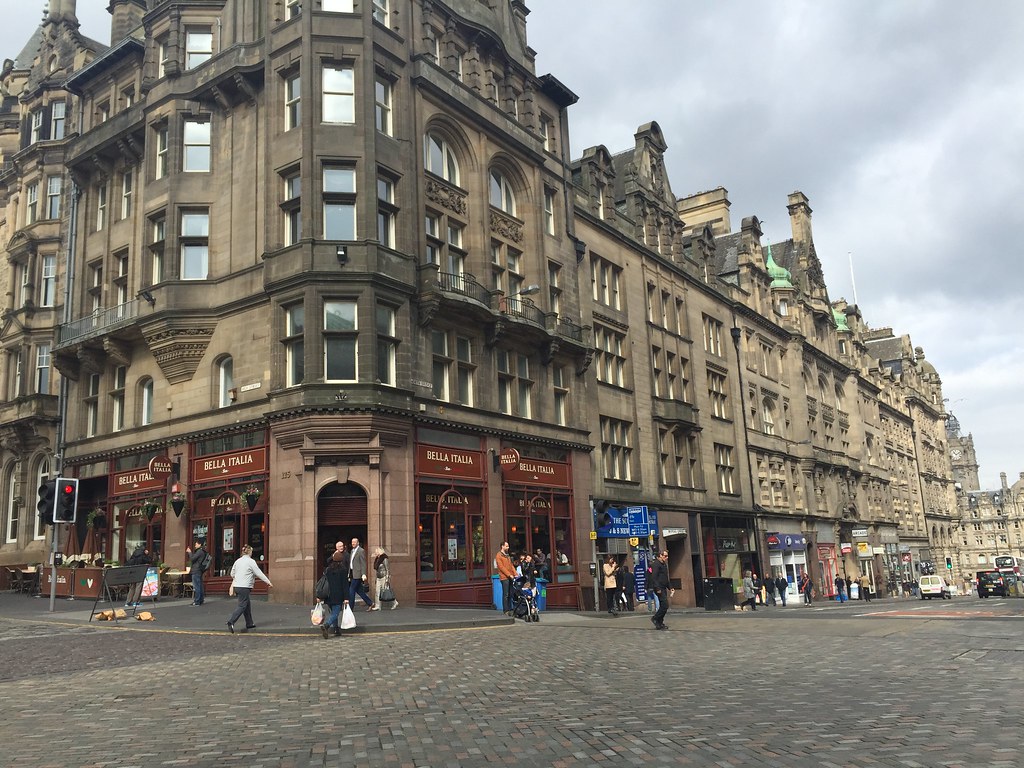
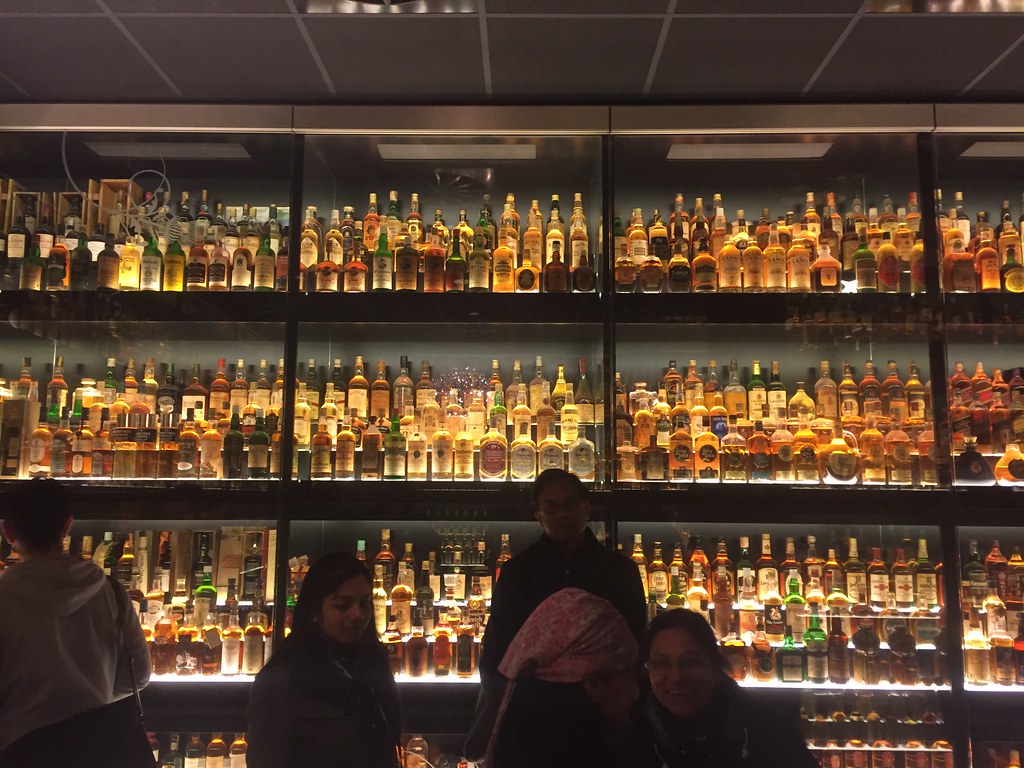
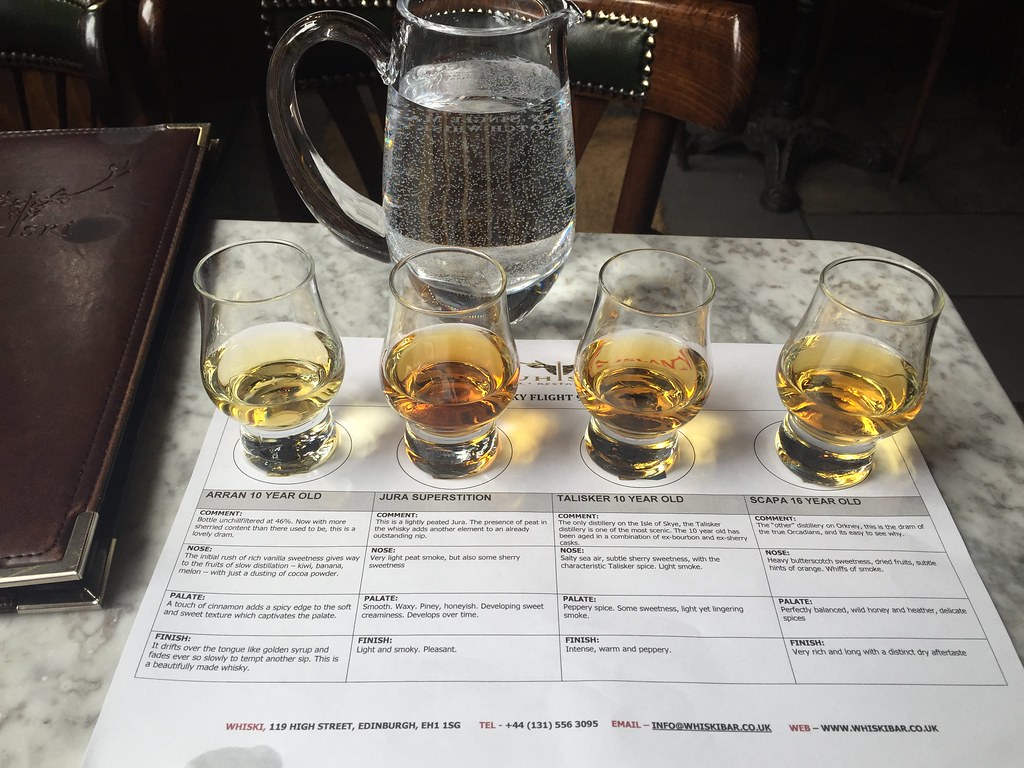
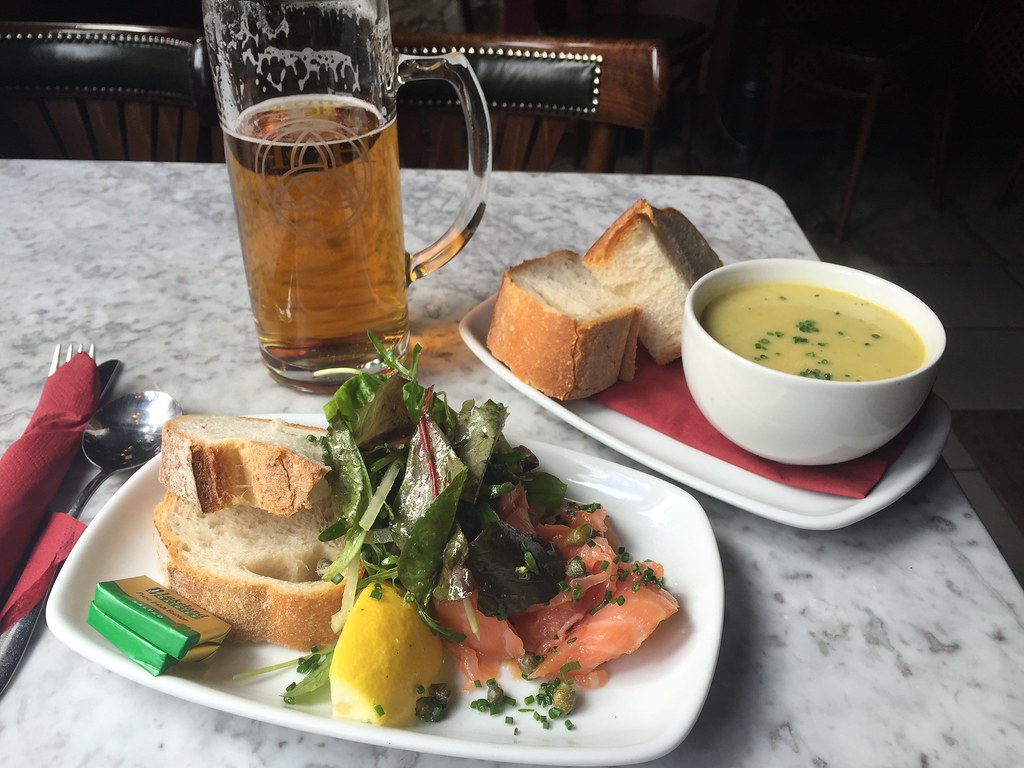
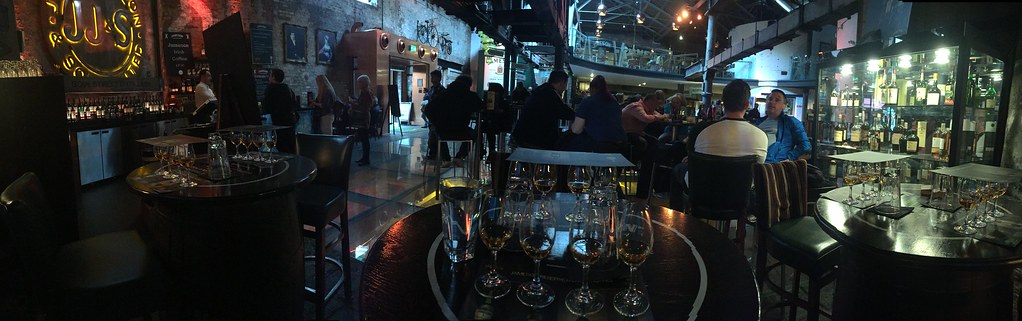
On my last night in Scotland I decided I have to have an authentic Scottish meal before I head to Paris. So naturally I went to the local whisky bar (called the Whisky Bar) and ordered a plate of haggis and a glass of 12 year Cragganmore Scottish whisky. The haggis was really good despite what it is made from. And the whisky was wonderful as always. I really like this pub. It’s very authentic and has live traditional music every night although I wasn’t able to hear it because it doesn’t start till after 9 and I decided to go see more jazz at the Jazz Bar down the street.

This week I’ve been reading “Gypsy Jazz” by Michael Darengi. What a well written book! It is getting me so excited to be in Paris. Not only is it exactly what I wanted for studying Gypsy Jazz and the culture behind it but It talks a lot about places in paris where the music came from so I know exactly where to go to see the music when I am there and the places to go where Django Reinhardt grew up and played. Darengi talks about his trip to Paris to discover all he could about Django and his culture. So he walks you through his whole trip and the history behind each place he went. A great look into old world Paris. It has been really great to read this back to back with “Making Jazz French”. So many connections between the two that are creating a strong base for my studies in Paris.

On the first page of Gypsy Jazz Darengi gives a wonderful description of this style of jazz.

This jazz is joy made song. Alive and iridescent, it swings with effortless intensity, transcending the everyday world. Yet it’s also infused with bittersweet spirit, nostalgic, melancholic, something nameless and impossible to articulate in anything but music. Within the melodies and strophes of improvisations resound an emblem of people. An emblem, and a history. Here is the legend of the Romani in music, leading back a millennium, stretching across continents. These melodies are fully modern, yet ancient and ageless (pg. 7).

Darengi had me hooked from page one, describing everything I felt but didn’t understand in this beautiful music. And then he goes deep into the culture behind it, giving the reader a greater insight as to why gypsy jazz sounds the way it does and makes you fall in love with it even more. I am so looking forward to visiting the outskirts of Paris to find where this music originated. To be able to listen to gypsy jazz in the same cafes and dance halls where it was born. What an incredible experience!

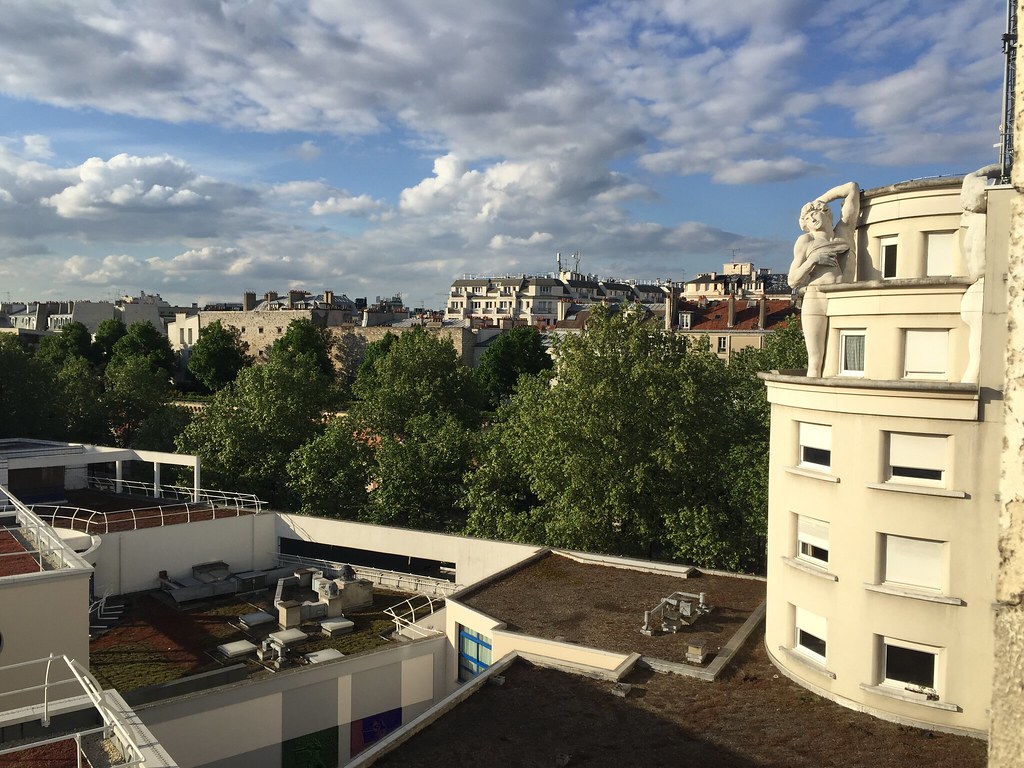
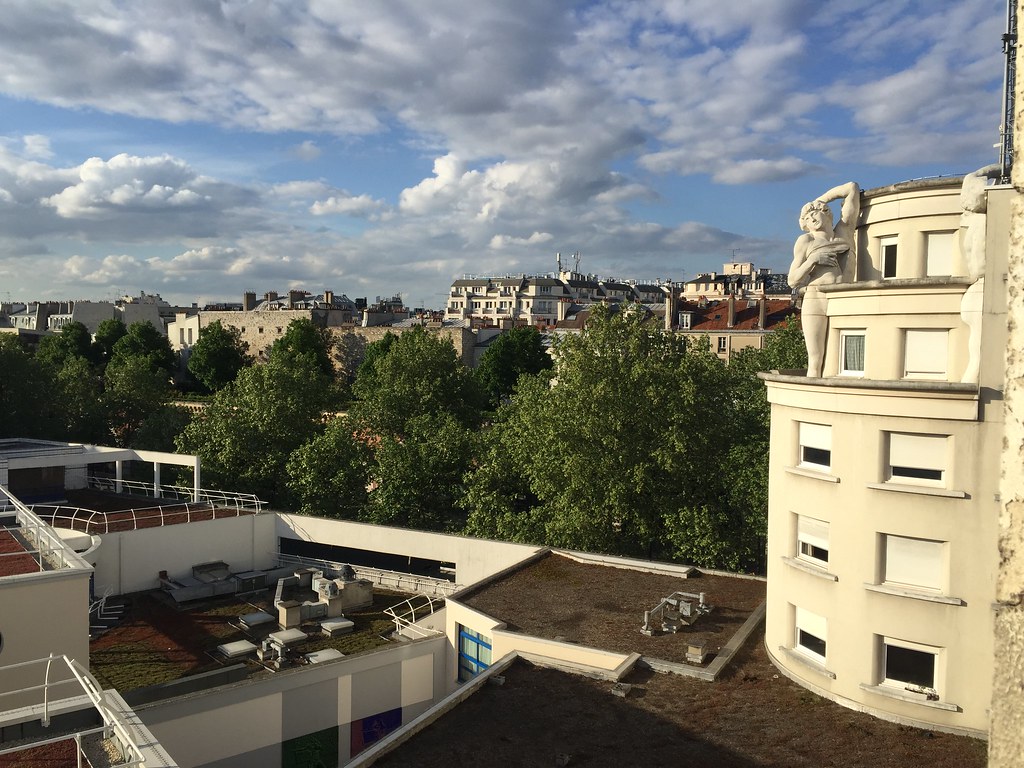
I flew into Pais this afternoon from Edinburgh and wow….. It is so good to be here but I am so stressed out! I totally underestimated my ability to speak French! Buying a loaf of bread was a whole crazy and difficult experience in itself and now I get to spend three weeks here. I know I will adapt but for right now I will have to trudge through town doing my best to break down this barrier of language in front of me. Not that the language barrier overshadows the awesomeness of Paris of course!

My suitemate here at the are BnB is great! I think he is from Spain, but I’m non sure. I haven’t asked yet but Spanish is definitely his first language. He greeted me at the door and showed me around this tinny apartment, then told me a bit about the area. Let me know where the nearest grocarie store, cafe, and bar were and got me all settled in. I am looking forward to getting to now more locals. The French I have met around town seem to be pretty cold but I think that’s just because I come off immediately as a stupid American. But I hope to change that as soon I get comfortable here. I know they aren’t all cold people because I met some really wonderful French people in Scotland. Very willing to make great conversation and share with me their time.

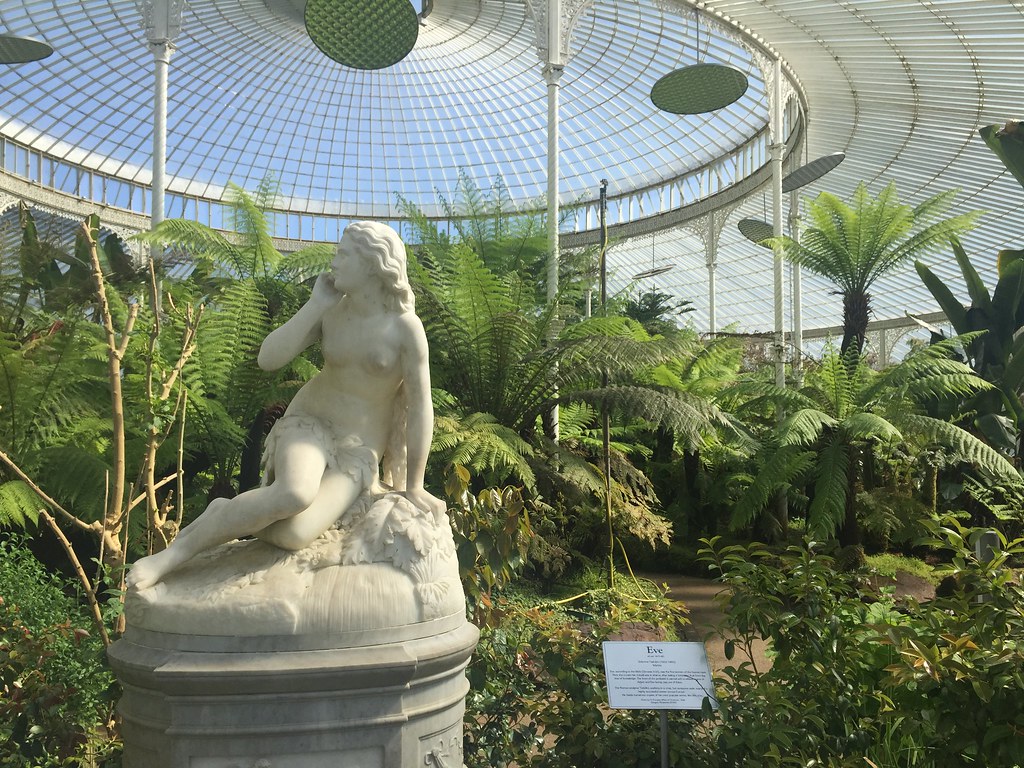
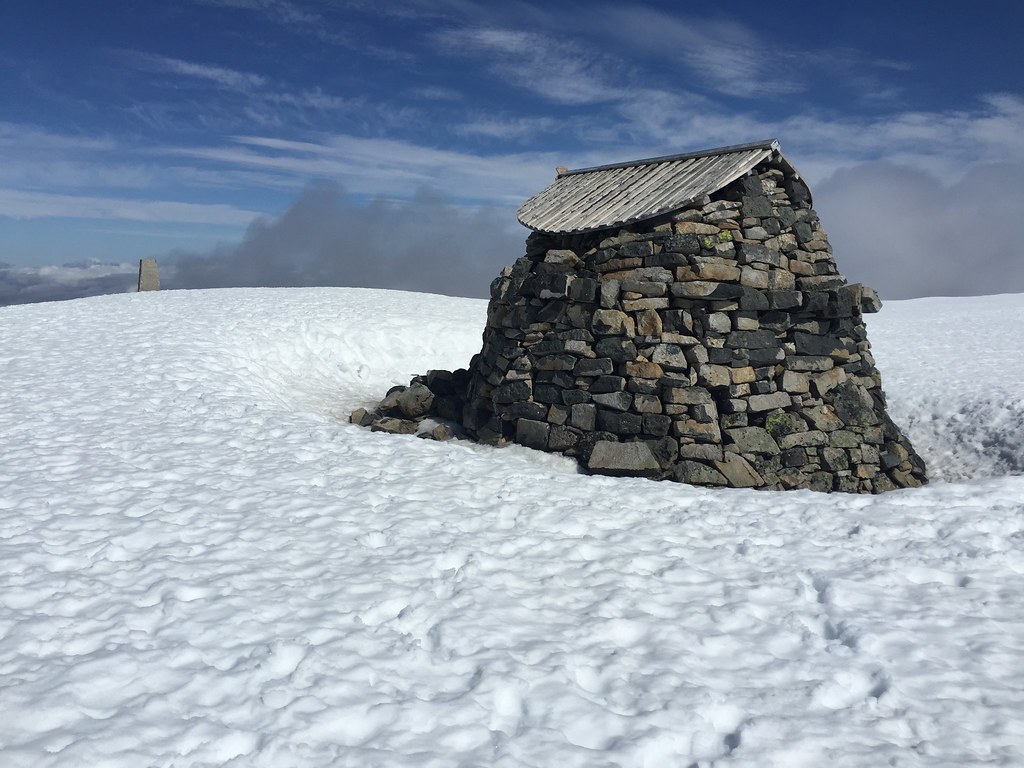
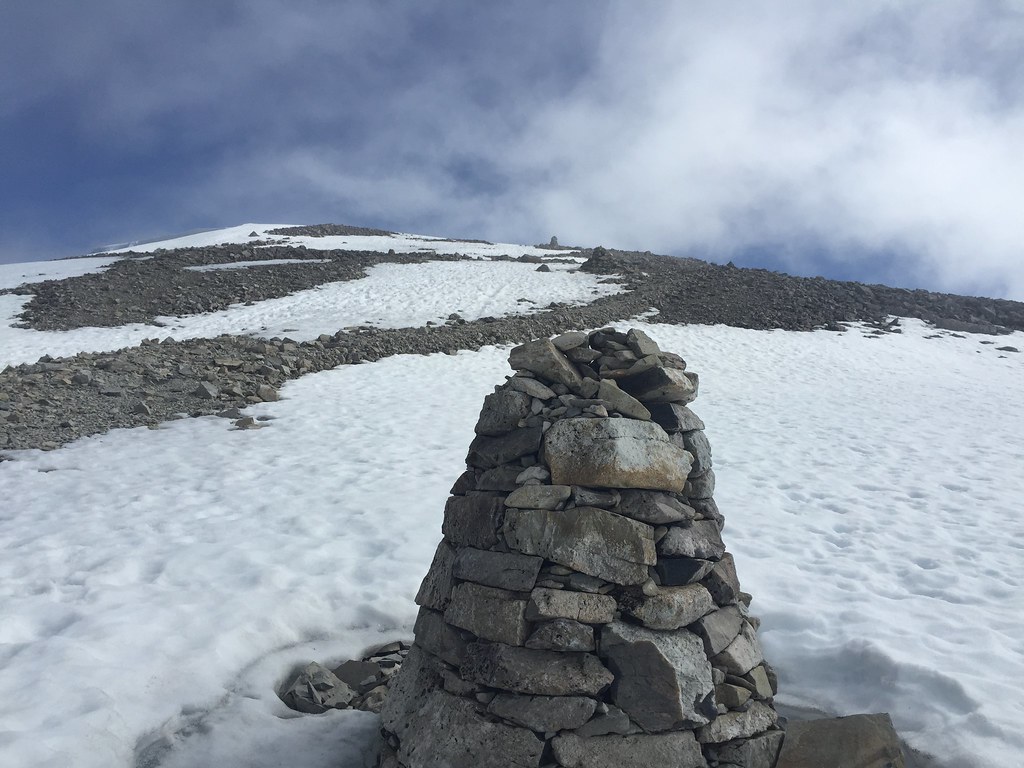
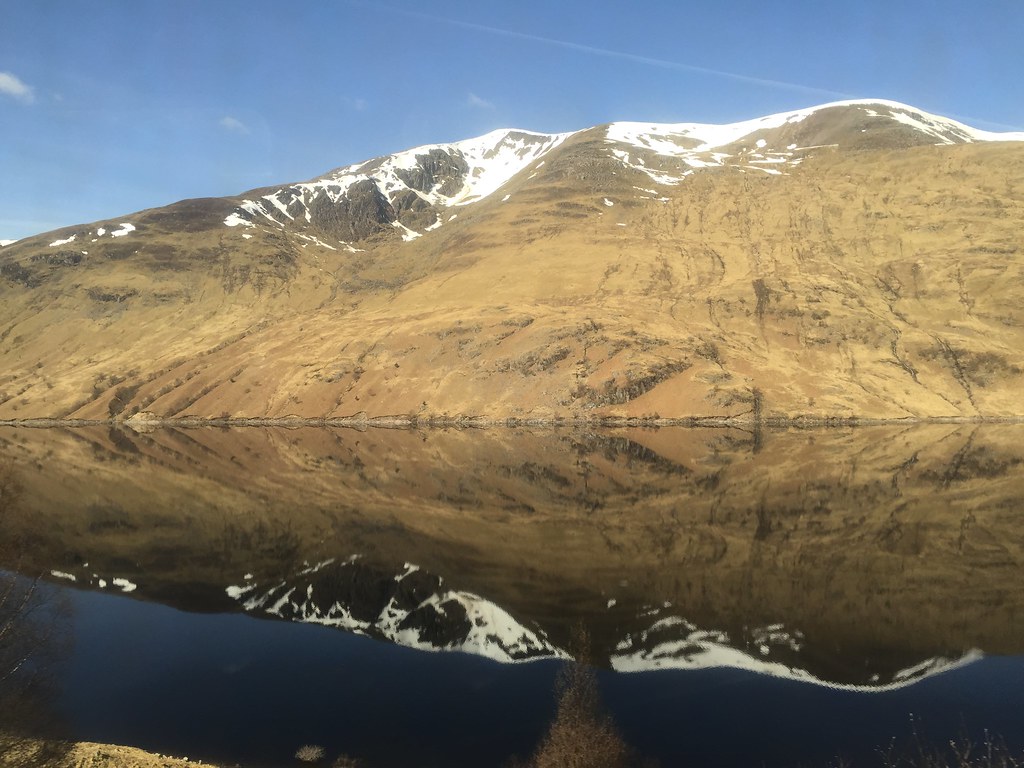
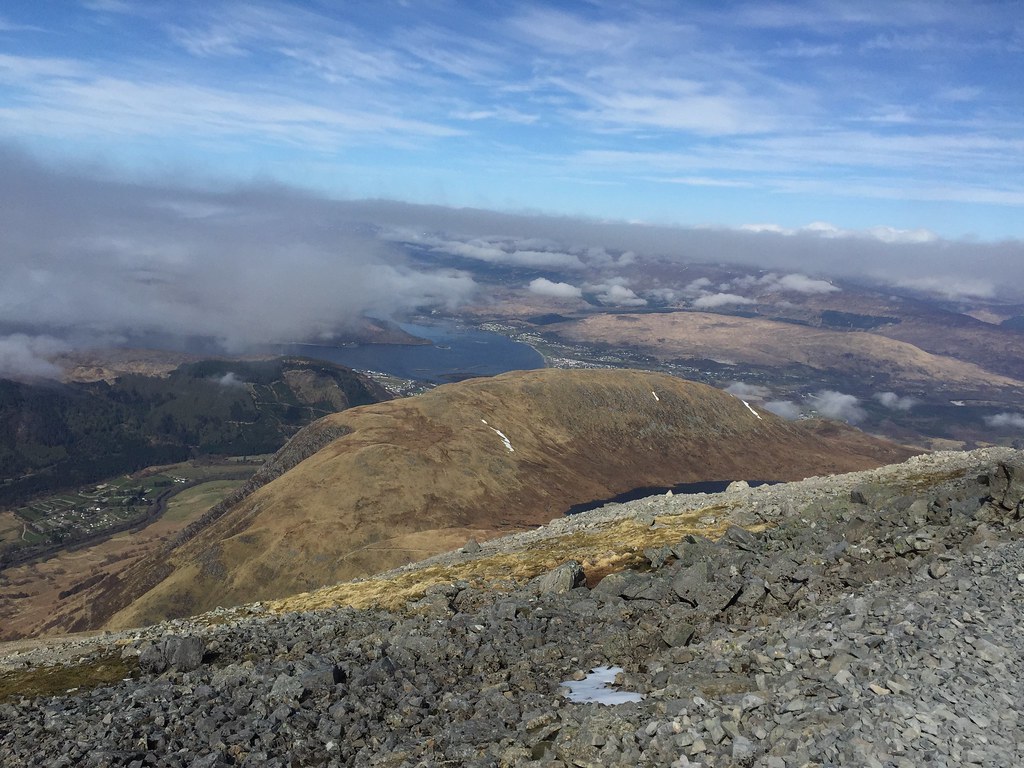
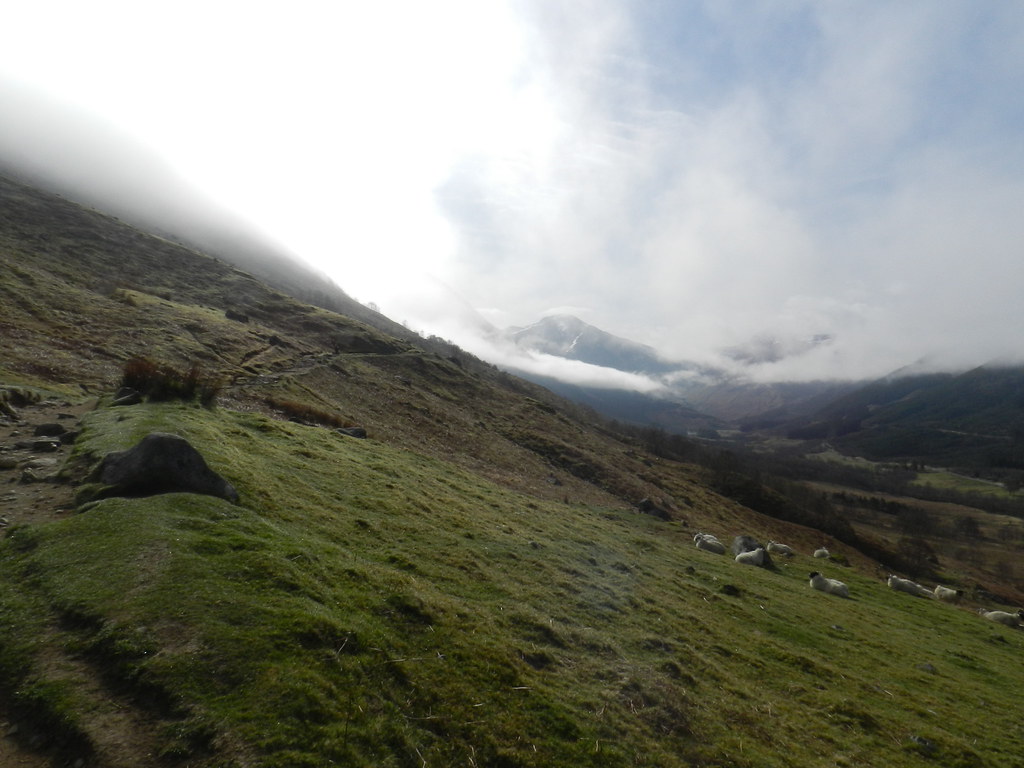
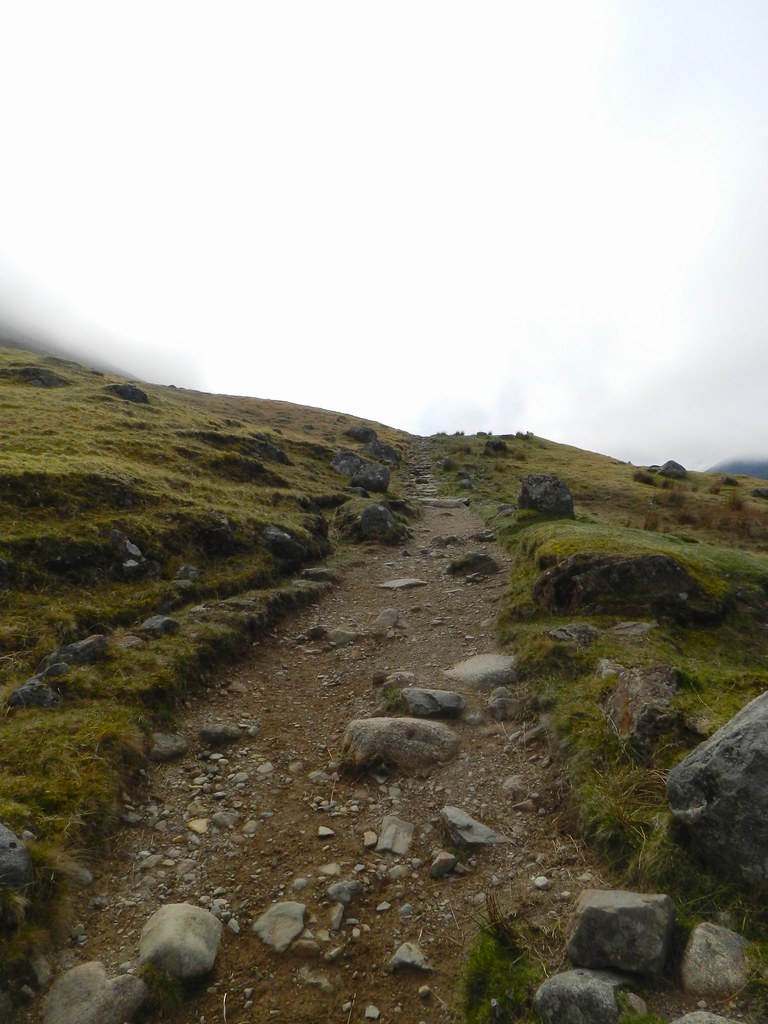
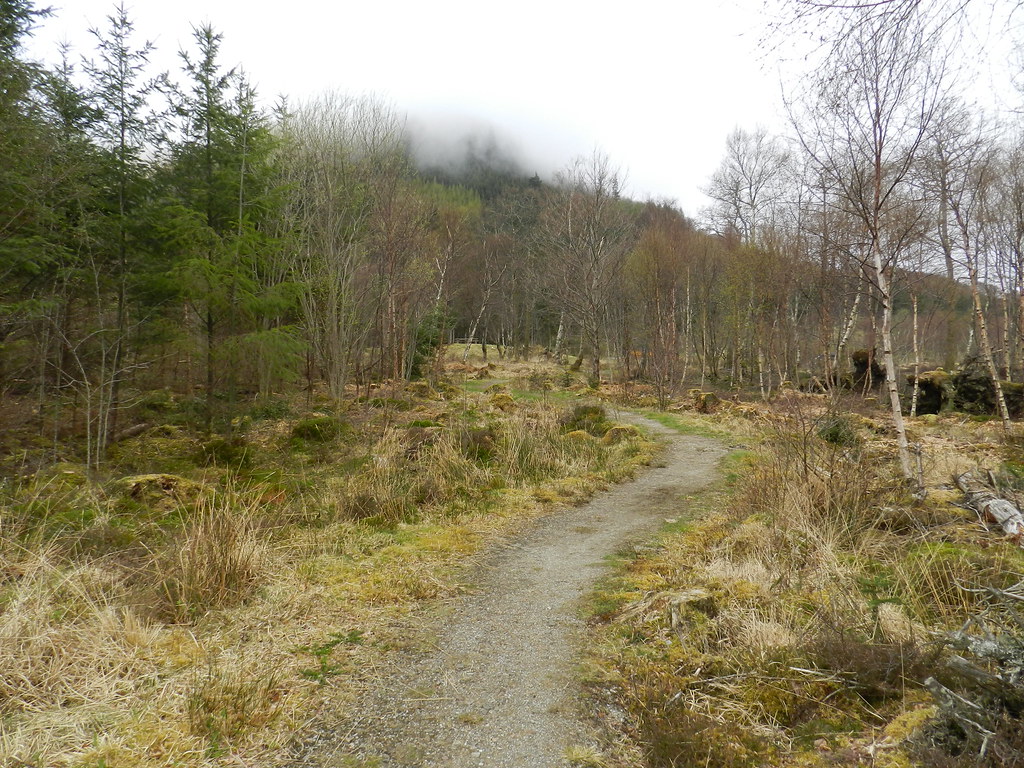
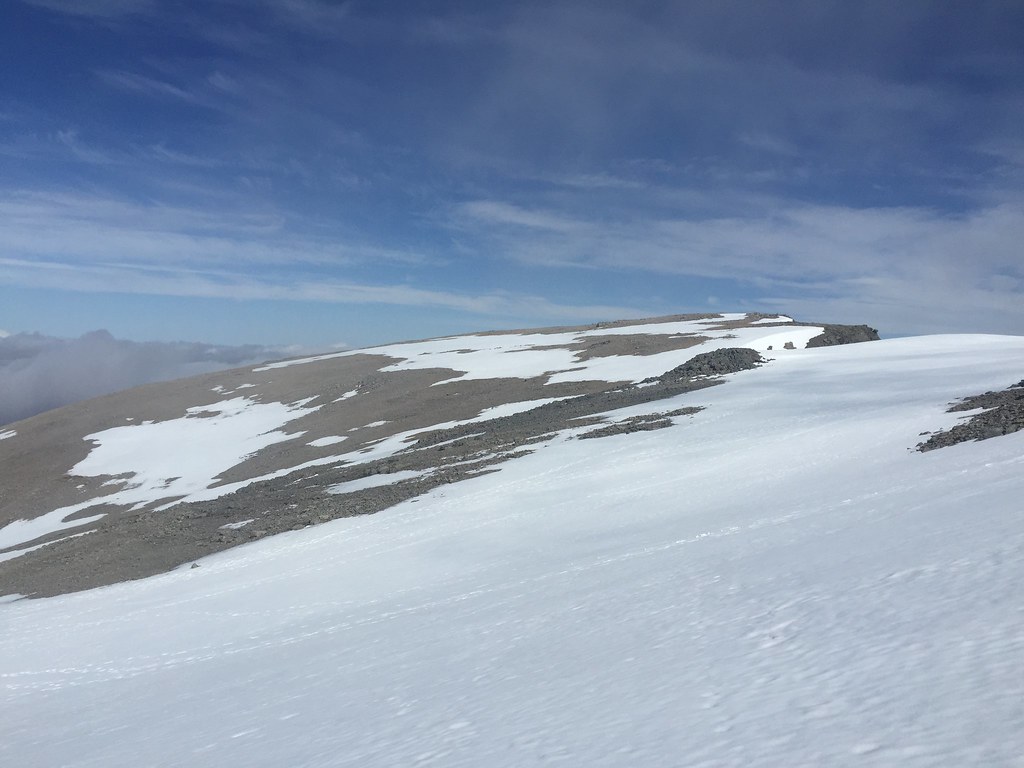
While I was in Scotland I had the opportunity to go on possibly the cooled hike I’ve ever been on! It was on Ben Nevis, the tallest peak in the UK. I saw the most amazing views and met some great people.

I cant seem to get any photos to upload but I’ll figure out what is going on soon hopefully. But you can see a bunch of them on Flicker.

Until next week!

I soon will be in the the windy city

I am anxious, I am ready and most of all, I am excited. On Thursday of this week, I will be flying to O’Hare Airport in Chicago to start my ten day endeavor. I have finally established a good weekly work schedule in Olympia and now I have to leave and go start a whole new one with limited wifi and an  unpredictable screen. I am sitting in the library and I am seeing my regular library faces that I have been recognizing over the past four weeks. I am feeling slightly nervous about what is ahead of me. I am going to enter a city that I have been to at least ten times, but only to the tourist spots and with my questionably fun extended family. I just hope that I can feel somewhat at home and assimilate myself into the city and the public transportation  sooner rather than later.

This week I am focusing on House music. While House music is often misunderstood to be originated in Europe, it is a true product of Chicago. In doing quite a bit of article reading over the past four weeks, I have been able to conjure up a sort of timeline and lineup list of the important players in the Chicago House music scene that started in the late seventies and on. It is crucial to my personal understanding that I have a clear idea of al of the individuals involved. I often would pull up Google Maps and get an idea of the locations being mentioned so I can get a true visual without having to imagine it.  I have started to read my book for the week, an autobiography titled, House Music… The Real Story by Jesse Saunders, the semi self proclaimed “first house music DJ”.  So far, it is an easy read and Saunders proves himself to be an emotional, but humorous writer. Sometimes he just restates everything he is trying to say for paragraphs at a time, but I am taking it as a sign that he is simply very passionate about his craft, and not so great at being concise. I am glad really glad that I am able to read about House music from an insider’s perspective and not some journalist and professional enthusiast. Not to say that I don’t enjoy writings from those mentioned, but getting to hear about the relationships and internal happenings in the house music scene from someone who was in the center of it is really remarkable to me. I look forward to finding out the “real story” behind the some of the most amazing, innovative music on Earth.

Yesterday, I watched Pump Up The Volume which I believed to be a movie about Chicago House music, but really went over a range of cities and styles of dance music at the end of the documentary. It was all worth seeing though, because it gave sort of a world wide perspective of how Chicago House music transformed what a music community meant around the world. People all over were coming together to listen to House music and that tradition has continued today in much more commercial settings such as dance oriented music festivals and raves. Sadly, the way in which this community gets together is now changing, in my opinion, for the worst. There are countless reports of young adults and teens dying or having life threatening reactions to the types of drugs that are being taken at raves and dance clubs is unprecedented. When House music clubs first started, they usually served water and juice. People could drink alcohol if they choose, but it was never the center of the experience. Not to say that drugs weren’t present at the early House music clubs, they certainly were, but  again, not the center of the experience.

I finished my book from last week, Chicago Blues: The City & The Music and I must say that the Blues industry and community was just as exhilarating as the music. The relationships between the artists, and especially the artists’ relationships with the business people handling their careers interested me the most. Blues artists are notoriously known for being ripped off in multiple ways, despite their fame and following. One aspect that I was interested in was the record labels that were responsible for making Chicago Blues known to the public. One label that piqued my interest especially, was Chess Records started in the South Side of Chicago by brothers Leonard and Phil Chess. Artists like Muddy Waters and Willie Dixon were on the roster for quite a long time and other big name bands like The Rolling Stones have recorded there. At one point, there were over 100 names on the Chess Records artist roster, and nearly all of them were getting completely ripped off in their label deals, and paid nothing close to the amount that they deserved. I am on a mission to find out more about Chess Records and the story behind the label that supported but also betrayed it’s artists.

Oh Eisenstein

Oh Eisentstein,

Sergei.

Keeper of form and more.

Through dialectic imagination

With my mind you mop the floor.


Oh Eisenstein,

I do pray

To one day understand.

Tricky is your explanation

Of montage, slight of hand.

— — — — — —

In his book Film Form Sergei Eisenstein argues, in a dozen essays written between 1928 and 1945, that it is montage that is the highest form of expression within cinema and further more that it is cinema that is potentially the most expressive of all the arts. In the essay Methods Of Montage, written in 1929, he attempts to chronologically categorize and define the types of montage of which he sees five.

The first, Metric Montage, is a type of montage that relies solely on the rhythmic qualities of music, translated into film as the duration of shots. He poses that though it is effective in generating a simple excitement in what he describes as “the more impressionable members of the audience”, when Metric montage is used in a complex way to express something more intelligent (less subconscious) its effect is lost. He claims that the highest level of expressiveness that Metric Montage could achieve is “the same as that of a percussion and brass band playing a simple tune”.

In the second, Rhythmic Montage (confusing, I know…), The duration of the shots are not only determined by the physiological effect of their rhythm but also by the effects of thephysical rhythm of their content. Many movements that generate their own sense of rhythm may occur within a single shot. As Eisentein puts it, “Here, in determining the lengths of the pieces, the content within the frame is a factor possessing equal rights to consideration.” This form of montage has been mastered by many experimental animators and is the basis for abstract visual music.

His third, Tonal Montage, implies that montage can be made from the characteristic features of the shots This is similar to rhythmic montage but, instead of considering some moving parts within the frame, one would consider the overall feeling that a shot produces. He says, “If we give the comparative and emotional designation of ‘more gloomy’ to a piece, we can also find for the piece a mathematical co-efficient for its degree of illumination. This is a case of ‘light tonality.’ Or, if the piece is described as having a ‘shrill sound,’ it is possible to find, behind this description, the many acutely angled elements within the frame, in comparison with other shape-elements. This is a case of ‘graphic tonality’.” He goes on to say, “Tonal montage grows out of the conflict between the rhythmic and tonal principles of the piece.” Though it was defined in 1929, this is the form of montage that pervades cinema today. Through acting, scene, and rhythm tone is woven into dramatic tapestries of emotions and events.

Fourth he describes Overtonal montage. Imagine a piece with an overarching triumphant tone. This can be considered the principle tone. Within that piece one might sprinkle moments of uncertainty and doubt. These moments would function as a dissonant overtone that would generate a tension that would make for a more satisfying resolve (just as in music). The collision between these two elements generate an overtonal montage.

The fifth and most confusing progression of montage is Intellectual Montage. Here conflict arises between the juxtaposition of two ideas. What comes to mind is the music video for Devo’s song Beautiful World. Here the viewer is first shown a series of clips from the public archives of people being very happy and rich. Then they are shown a series of clips of people suffering. Then these are shown alternating. The effect of the montage arises from the juxtaposition of these conflicting ideas and it is quite powerful. Though we occasionally see instances of intellectual montage in todays cinema it frequently takes a back seat to less intellectual pursuits of tonal montage.

With my film I hope to achieve tonal montage through an application of metric and rhythmic montage. I will exploit the exciting qualities of metric montage and will insert into that framework a rhythmic montage that suits the constraints of the meter. I will use compositional juxtapositions within the shots of light and form to generate conflict. And, if successful, I will go one step beyond my goal to create an overarching tone that is in conflict with momentary tonal qualities within itself, or as Eisenstein would call it, Overtonal Montage. But Intellectual montage is not my pursuit. I do not wish to create a pedagogical piece of information for the viewer to watch and understand but instead I hope to create something more abstract. Something that someone might be able to relate to something specific and special to them. I hope to resonate within the viewer with their individual and personal perception. I hope to help them better understand how they see the world by abstracting the definite qualities of the world into montage.

4. Groove Interrupted

The past few weeks I have kept myself occupied with planning, reading, reflecting, tire and oil changes and listening to a lot of jazz music. Now the time has finally come – tomorrow night we begin this excursion through the south. All of us on the trip have been assigned jobs – because we are taking my car, I was in charge of making sure it’s in good condition to drive across the country and back. Daniel is in charge of making CD’s (yes, I still use CD’s) and he’s sleeping all day tomorrow to take the first leg of the drive. I’m putting Rachel in charge of the snacks and since Laura is our host once we make it to the south she’s off the hook. Our original plan was to stay in a hotel on Bourbon Street – but we collectively decided to spend our money elsewhere and stay just outside of the French Quarter. We have some concrete plans for once we get there but I’ll write more about once we’ve arrived. I’m giddy with anticipation – so much so that I’m listening to Henry Allen as I write this blog entry and am unsure of the amount of sleep I will get tonight.

In addition to the logistics of car safety, packing and planning – this past week I read “Groove Interrupted” by Keith Spera. Spera captures both the elation and the heartbreak of post-Katrina New Orleans through the stories of some of the city’s best musicians. Aaron Neville returns to New Orleans for the first time after Hurricane Katrina to bury his wife. Fats Domino improbably rambles around Manhattan to promote a post-Katrina tribute CD. Alex Chilton lives anonymously in a battered cottage in the Treme neighborhood. Platinum-selling rapper Mystikal rekindles his career after six years in prison. Jazz trumpeter Terence Blanchard struggles to translate Katrina into music. The spotlight also shines on Allen Toussaint, Pete Fountain, Gatemouth Brown, the Rebirth Jazz Band, Phil Anselmo, Juvenile, Jeremy Davenport and the 2006 New Orleans Jazz & Heritage Festival (which just happened this past weekend in NOLA). I felt really inspired by a lot Alex Ross while reading this book and listened to these artists each time they were introduced. I was surprised at how many I had heard before not knowing who they were.

Although my research questions have been changed due to my change in travel plans – there is one question I am still very interested in pursuing and that is how has the history of New Orleans influenced the soundscape of the city?  Further – How has the culture, both historically and in present day, influenced the music scene? And finally, what have been the major contributions to shaping the cultural soundscape of the city?  This series of questions was inspired by a quote from Alex Ross’ The Rest is Noise “Articulating the connection between music and the outer world remains devilishly difficult. Musical meaning is vague, mutable and, in the end, deeply personal. Still, even if history can never tell us exactly what music means, music can tell us something about history.” (Ross)

Hurricane Katrina was a pivotal moment in the history of New Orleans. The lives of loved ones were lost, homes, occupations – all gone. Everyone in the city was affected. Musicians used music to cope – whether it was to remember the tragedy, to provide hope or to simply escape – the reality is that hurricane Katrina provided an interesting opportunity for the musicians of New Orleans to report out in such a unique and intimate way.

I once took a creative writing class and one of the assignments required that I write a creative piece based off of a picture that was chosen for me. I ended up with a photo revealing the unimaginable devastation of hurricane Katrina. I knew the only way I would be able to write something out of this photo was to go and read real stories of Katrina survivors.  I spent hours reading newspaper articles, and excerpts from books. Reading Groove Interrupted exposited a lot of the same devastation but this time, through the lens of music. In a city that’s foundation is built on music, what better way to rebuild it than with music itself?

The more I read about this place, the more magical it has become in mind. I am grateful for de Botton’s humbling words in The Art of Travel. There is a part of me that doesn’t even want to go to New Orleans because I’m afraid of being disappointed by what I find there – that it’ll just be a tourist trap or that it will be so far from what I’ve read about. Thankfully that part is really small and that the season of anticipation is coming to a close. Next time I update this blog, I hope to be saturated in the rich culture of New Orleans. Laissez les bons temps rouler! (or “let the good times roll” in french) 


Week 3 Response

So I’ve arrived at the end of the first week of my study. I’d be lying if I said it wasn’t difficult to stay on task. Sometimes there’s so much else to do (I could totally clean my room right now instead of writing this blog post…). Sometimes I find myself gripped by the ennui which Botton warned us about. It’s a struggle, but it wouldn’t really be any fun if it wasn’t. I’ll supply some thought as to how I can better focus myself to this study at the end of this blog post, but, for now, I’ll write a bit about what I’ve learned.

During the first week of my study I’ve read Part I of Helmholtz’s On the Sensations of Tone – As a Physiological Basis for the Theory of Music. I was quickly enraptured by the text, and dug into the reading, but soon found the content to be a little overwhelming. In the introduction, Helmholtz won me over by explaining the reason for his research and writing. His goal was to unite two schools of thought: “physical and physiological acoustics” and “musical science and esthetics” (Helmholtz 1). This matched descriptions of the book which also promised a comprehensive, yet easy to grasp, understanding of sound from a scientific point of view. The early material consisted of describing how sound works. It was detailed enough that I could easily follow it, and it cast new light on subjects which were already familiar to me. However, I soon lost myself in the rapid current of new information that Helmholtz began introducing. I found myself adrift, reading about descriptions of experiments which I didn’t fully comprehend and hoping to find paragraphs or sentences which could tie together the different terms and ideas that were being developed. Though I understand, and greatly admire, the extensiveness of Helmholtz’s research, I couldn’t retain or connect to some of the stuff he was throwing at me. His analysis of the human ear, for example, was something that I was initially interested in learning about, but the content was so dense that most of it went over my head.

My solution was to find supplemental sources which provided similar information in a more readily digestible form. These sources gave me a means to get my head around the depth of knowledge Helmholtz was throwing at me.

The above example helped me immensely by affording a moving visual representation of the inner workings of the ear. Though Helmholtz undoubtedly goes into more depth, the video provides information in simpler terms which I can retain more easily. I also found it helpful to perform the experiments that Helmholtz described or, if they were too complex, at least look up video demonstrations. For example, after reading about sympathetic resonance, I sung a D note into the hollow of my acoustic guitar. When I stopped singing I found that the D string was vibrating. Another source, HyperPhysics, has information on everything I wanted to learn about and more.

Part II of On the Sensations of Tone looks like it will be easier for me to connect to as it addresses topics more musical in nature. I will, however, look for other sources whenever I encounter something I don’t understand so that I can connect with and fully appreciate what Helmholtz has to teach me.

As I move forward with my study, there are a few other things I’d like to keep in mind. The first is that I should better maintain my personal journal. Writing this blog post has helped me touch down and grasp what it is I’ve been doing so far. I’ve written down my thoughts a few times, but I think it would help me more to make it a regular, perhaps daily, routine. I’ve also found that I’ve been putting my goals too high, and the result is that I’ll burn myself out before I reach my goal. Rather than set a huge list of daily goals, I’m going to try to start thinking more in terms of weeks. In this way I’ll spread out my workload so that things like the reading will be easier to get through, and I’ll have more time and energy for daily things like practicing music or writing in my journal. Lastly, I’ve realized I don’t have a full schedule for my study up (woops). I have a draft right now which I’ve been agonizing over. I plan on finishing and posting that tomorrow. My hope is that it will act as a guide I can follow for the rest of this study.

Week 4

As I approach the middle portion of my time in Los Angeles, I reflect on how quickly my trip has gone by. It feels like just yesterday I arrived, eager to explore the environment as well as the literature that I picked to read while I am here. It’s such a difficult city to explore, due to the decentralized nature of the city itself. While this aspect makes being a tourist/newcomer to the city, it has also greatly benefited the city. In Kenneth H. Marcus’s book, Musical Metropolis: Los Angeles and the Creation of a Music Culture, he brings up a point that one of the keys of the creation of Los Angeles’s music culture was the decentralization of the city, which occurred between 1880 and 1940. While Los Angeles has a vast metropolitan area, it extends much further, into what is known as Los Angeles county, spanning a whopping 4,083 square miles (larger than Connecticut). When two intercontinental rail lines were built in the early 19th century, the urbanization of Los Angeles began, and real estate boomed. In 1880, there was a population of 11,000 people, while a decade later there were over 50,000. As of 2000, there is around 16.37 million people that reside in the greater Los Angeles area. The dispersion of power in Los Angeles occurred not by accident; the Charter of 1889 provided citizens more power over their locales, attempting to avoid the giant endemic corruption that existed in cities such as New York and Chicago. This balancing of power into the outer cities of Los Angeles transformed Los Angeles into not just a collection of suburbs, but “a city surrounded by many satellite sub-center cities and communities” (Marcus, 3). Unlike other major cities in the United States, Los Angeles did not have all of it’s culture focused into one downtown sector. This allowed for a greater diversification of music scenes, and created different musical communities as well. And with all of the immigrants moving into the city from different parts of the world, the diversity of sounds was overflowing.


This development of the city as a spread out collection of cities was made possible by the technology of the time. In fact, Los Angeles was the first modern metropolis to be built around the idea of the car. The car culture in Los Angeles allowed people to not only live far away from each other, but they could also travel across the city, allowing musical communities to intersect. The car culture in L.A. boomed in the 40’s and 50’s, and became much a part of the music scene as well. A blossoming genre at the time was ‘sunshine pop’, lead by artists such as The Beach Boys, Gary Usher, Jakc Nitzche, Jan and Dan, The Pyramids, etc. These artists painted an image of L.A. that had been at the base of the city for far beyond their times. It displayed a mythical land of sun, surfing and women, with a tinge of innocence within. The car was an object of fun, where one rode down the ‘drag’ to be noticed by walking passer-bys (much like what people do on 4th avenue in downtown Olympia still) as well as it being viewed as an object of leisure and relaxation. While this view of the city was predominately held by the white, upper-class population of the city, it became world famous, and represented the city to the rest of the country and the world. Cars not only moved through the city, but they became an integral part in the identity and image of the city.

Walking down Venture Blvd, I can see that the car culture is still heavily dominant here. As one of the few actually walking down the sidewalk, a feeling of alienation kicks in. While the restaurants and shops are lit up and filled with people, the sidewalks are empty. But the way that the city is designed, this in inevitable. If you want to get around beyond your satellite community, you need to have a vehicle.But even then, parking is an even bigger issue. On many of the side streets, one has to have a permit to park, and the only places that I have found in the area for parking have ranged in the $20-30 area. Thus, I have begun to utilize the public transportation systems.

On Friday night, I went to The Roxy on the Sunset Strip, where I was Panda Bear and Ducktails.

(above is the album that he is touring on, entitled Panda Bear Versus The Grim Reaper)

The show was phenomenal. Panda Bear played fevered, textured pop music, with many vocal overlays and harmonies. His style reminds me of The Beach Boys; progressive pop structure, vocal arrangements, and vocal tone-wise. The crowd was very active, and the night was filled with dancing and a feeling of happiness and content. Ducktails also gave the same vibe. A California native, I could begin to see how the concept of ‘sunshine pop’ still remains While more driving and formulaic, the music was light, beachy, and happy. While at times the lyrics became depressing in both sets, the overall vibe of the sound was positive. The lyrical content had a similar focus as well; an idyllic view of life in the sunshine, where bad things can happen, but the sun continues to shine.

The Piazza- The Blurry Nights-Orbleibs

Located in Northern Liberties, about a mile and a half from my home, the Piazza at Schmidts is a beautifully landscaped, 80,000 square-foot, open-air plaza with free events year-round, surrounded by three new buildings including 35 artists’ studios and boutiques and four new restaurants.

The Piazza


Here is a short video about the Piazza.

Click here to view the embedded video.


Last night, I walked through Fishtown into the Piazza in hopes of hearing live music. To my disappointment, no one was playing. Before I left, I went inside a music shop in the Piazza called Creep Records.

Creep Records


For 11:00 p.m., there were quite a few customers. The employees behind the counter seemed to know the customers who were casually looking through records in between heckling one another. I asked if there were any bands playing nearby. One of the employees was eager to tell me about a concert at a local venue called Ortlieb’s. The main act was a blues/psychedelic/rock/pop band called “The Blurry Nights.” Before he left, he gave a free copy of their latest album, a poster advertising their show, and a few free local music magazines.

Here is the poster he gave me:

The Blurry Nights


I immediately left Creep Records in hopes of finding the concert. As you can see by the map below, I was within walking distance.

Screen Shot 2015-04-19 at 11.18.20 PM


The Ortlieb’s night club has had a long, iconic history of music in Philadelphia. Throughout the decades Ortliebs has been “the local place” to see Jazz, Funk, and Soul music. This is the front of the venue:

Ortliebs


According to various websites, the venue also had a brewing company that is now abandoned in Northern Liberties and is also a local hotspot for photographers who take pictures of “Ruin Porn.” The abandoned building that almost encompasses an entire block traces its roots back to 1869. An extensive history of the brewing company can be found here: http://pabreweryhistorians.tripod.com/OrtliebFinalEdit.htm

The following are images of the inside of the abandoned factory:

ortliebs ruin porn


Booze ruin porn


Unfortunately, I didn’t make it to see the opening act “Fishtown Beats” but I made it in time to see Blurry Nights. They were a psychedelic blues band that covered several songs from Seattle in the early 90’s. I have noticed that a lot of bands play covers from the grunge era. Several bands that have been suggested to me by my coworkers (several of which are art and music majors at Temple University outside Fishtown) are signed to Sub Pop records in Seattle. Two of these bands are Metz and Piss Jeans. Although the bands started out side of Philadelphia city limits, several of the members from both bands live here in Fish Town.

Here is a crude recording of Metz playing at the The First Unitarian Church in Philly.


Here is a crude recording of Pissed Jeans Sub Pop Release party on February 13, 2013.

« Older posts Newer posts »

© 2026 Musical Cities
The Evergreen State College
Olympia, Washington

Log inUp ↑