Musical Cities

The Evergreen State College

Page 15 of 35

London Calling

IMG_3083

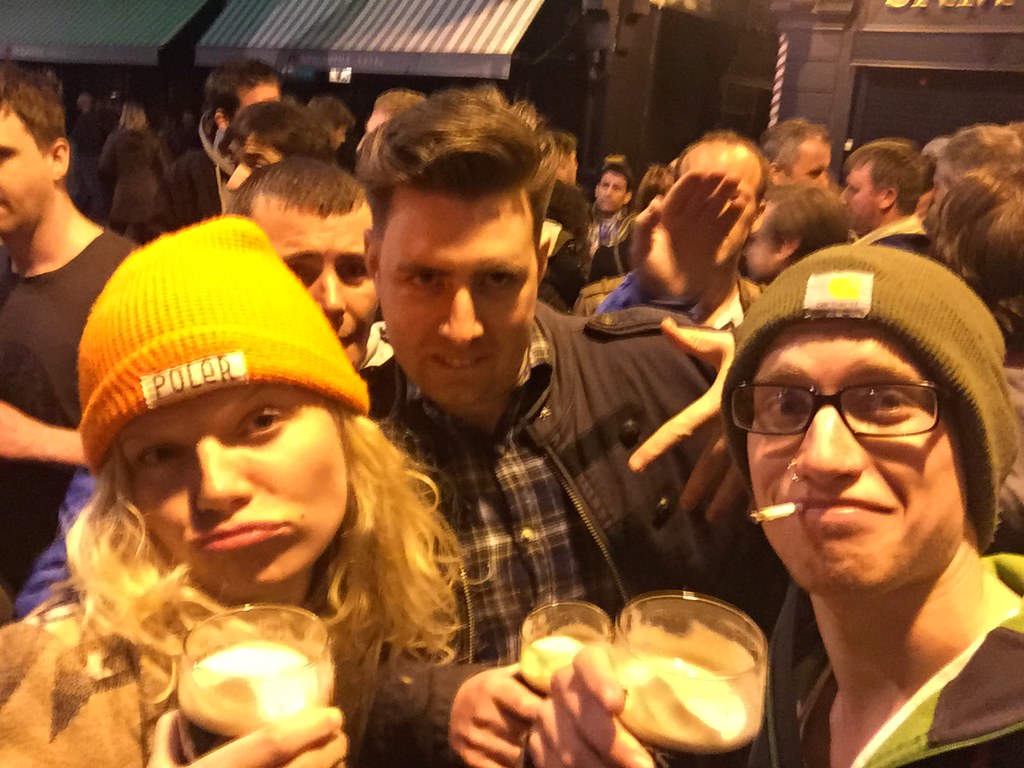
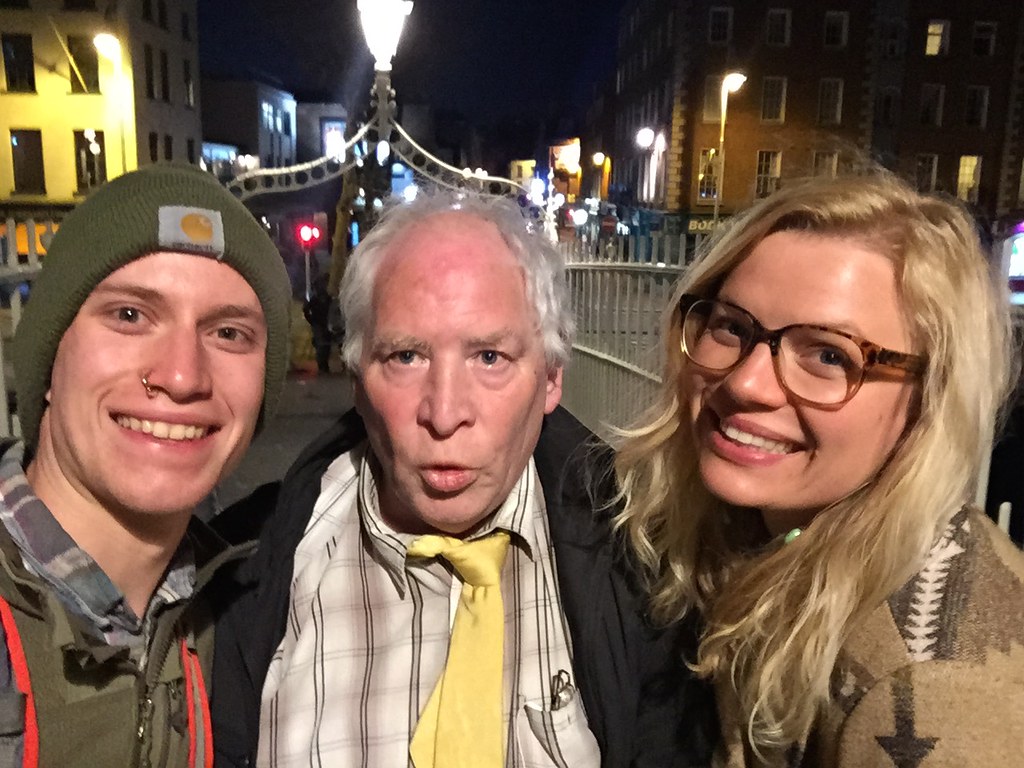
On Monday my grandma, Lindsy, and I flew to London from Cologne, Germany. It was my grandma’s and Lindsy’s first time in the UK. I have been there once before when I played a show with Foxygen in London in 2013 at The Lexington and also did a BBC session there but I had no time at all to explore the city. We booked a small apartment in North London that was conveniently located near the tube station. I found after reviewing prices that it was cheaper to stay in a small apartment for 5 days compared to renting a hotel room. It ended up being a good choice except that the kitchen and bathroom area had an unpleasant aroma but thankfully it wasn’t next to where we were sleeping. There’s a pedometer on my grandma’s phone that keeps track of how many miles you walk and I was amazed to see how much walking we did in just one day. Our record was 7 miles as we explored Covent Garden. It took a few days of adjusting to get used to people walking and driving on the opposite side of the street. There were a few times I felt like people were going to knock us over. By the end of the trip I was pretty much a pro at using the subway. It reminded me of the subways in New York but a bit easier to use and understand. On Wednesday (the 22nd) we went to the Tower of London which was fascinating but also creepy. The grounds of the place are oozing with history and years of stories that you can feel just by looking at the castle from a distance but walking through the castle really makes you feel that that heaviness. The phrase “sent to the tower” originated from the 16th and 17th century when the castle was used as a prison. The White Tower was built in 1078 by William the Conqueror and is ghost like. For some reason all of the polaroids I took at the Tower of London were completely white and over exposed. I took some photos with my cell phone though. On Friday (the 24th) I played at The Lexington with a band from New Jersey called “Screaming Females”. The show was sold out and I was really nervous before performing. I haven’t been that nervous at a show in years. After playing my set I felt extremely happy, joyous, and uplifted. It made me feel like I had a natural high. The audience was very receptive to my music and I was able to meet people who have been listening to my music for the last year. I honestly have never experienced the kindness from fans the way I did in London. I had multiple girls come up to me and tell me how much my songs meant to them and how it inspired them to write their own music. I felt truly touched. It was my favorite show I have ever played as Globelamp. That night we got back to the apartment late and ended up getting two hours of sleep because we had to catch a flight back to Cologne, Germany early in the morning. With minimal sleep, Lindsy and I got back to my uncle’s house and passed out for two hours, only to get up again and attend another sold out rock show. Time warp much? Two sold out shows in two different countries in two days?  Except this time the show we went to was a punk rock show, one of my favorite punk bands from when I was a teenager, Against Me! I had been corresponding with the lead singer of the band (much to my shock that they even listened to my music) and she put Lindsy and I on the guest list. We got a ride to Cologne, Germany and went to the merch booth to check out what Against Me! had for sale. The man working at the booth asked me my name and when I responded he told me, “Laura told me to bring you to her immediately when you got here”. Lindsy and I looked at each other in a fan girlish sort of way and followed him backstage where I finally got to meet Laura Jane Grace.  Well not only did I get to meet her but she suggested we write a song together. So basically if I wasn’t in Europe this opportunity wouldn’t have happened.

laurajanegrace1

laurajanegrace

bonn

11185745_10205692246999223_1930798096_n
bonnl

After recovering from our intense weekend Lindsy and I went to downtown Bonn to find a cafe to do some research in. The house I am staying in has horrible internet connection and it sometimes takes up to ten minutes to even load a page. We went into a church called St. Remigius Parish Church which is included in the “Beethoven walk” and it is where the young Ludwig played organ at 6am morning services in the Minorite Church. Today it is the church of the Catholic Chaplaincy Bonn and the organ is now kept in the Beethoven House where visitors can go view it. Inside the church I lit a candle for all of my loved ones who have passed away. It’s something I do whenever I go into a church in Europe and have extra change with me. Today we visited LVR-Freilichtmuseum Kommern, an open air museum out in the country that shows how people lived 100s of years ago. It was interesting to see because the house we are staying in is exactly like the houses that can be found in the “Eiffel” section of the village. Tomorrow Lindsy and I are taking a train to Hamburg to hang out with Laura Jane Grace of Against Me!. Hopefully we begin writing a song together or at least start throwing ideas at the wall.

Week 4 Berlin Bonn and London

Berlin is a city with 3.5 million people. The transportation systems are various, and extend to the rest of Europe in a large system. The entire city is built up. The apartments are tall. To get to my room in the flat I stayed in it was 88 stairs. The food in the neighborhood I stayed in was diverse and options ran for blocks. Behind my flat was food, drinks and shopping, and in front of my flat was trains, busses and a busy street for cars. Most main streets have a middle lane for pedestrians and buses or trains. There are three different types of trains. The Underground, Overground and Line trains. There are several bus options but mostly the one that starts with H. Writing out directions to a place takes an entire page in my journal, usually because of the transfers and long street names. I was staying in East Berlin, where nothing is done extravagantly and everything is accessible and cheap. I visited the Friedrich Strasse area and discovered that private corporate business has built an extravagant business amongst the historical buildings. There are pieces of Art in the old architecture but most of the buildings in this area are made of glass, and tall, full of things to buy, or business to manage. This is on the west side of Berlin. From the small glimpse I saw, there is a very clear difference between the East and West Berlin. East Berlin is local business based. West Berlin is booming with big business that towers over in glass. Berlin is a huge city with more districts to visit than I have time there.
I saw the Reichstag Building in Berlin. “It served as a forum for Hitler’s speeches and a rubber stamp assembly of loyal Nazis” (Ladd p. 89) This building is the “Paramount symbol of Hitler and Nazi Germany, and the ultimate prize in the battle of Berlin.” (Ladd p. 89) This building was set aflame February 27th 1933 and Hitler vetoed the demolition of the building to keep it a historical artifact for Nazi Germany. It was rebuilt in 1961 as the Berlin Wall was separating East and West Germany. The building was said to have been for Germany reunified, because it was to be Germany’s parliament’s meeting place. It is now a tourist attraction.

Reichstag


After a week in Berlin I rode the train to Bonn Germany to meet with Elizabeth. The train was supposed to be 5 hours. I ended up being on it for 10 hours because the electricity went out in the first section of the train. It was a long day. Then Lizzie, her Nana and I flew to London the next morning. It was a short, hour flight. When we arrived we rode an hour long tube ride from the airport to the apartment. The tube, or underground, or subway is hectic. Each car, or section was pact! This is normal we discovered through various tube rides through the city. The system is laid out well, and very easy to navigate! I wish there were a tube everywhere! Everyone had a British accent, even the loudspeaker. Sometimes it seemed like its own language….especially when sleep deprived. While in London we visited vintage stores, The Tower of London, The Parliament building, Westminster Abbey, and The Buckingham Palace.  I felt like I just got started, and then had to leave.


The Astrology Shop

There were some really neat buildings downtown London. Some new, many artistically embewed with leaves, flowers and Queens. My favorite store was The Astrology Shop because it had a lot of really neat books. I had to pull myself out of there!

The next stop was The Tower Of London

The Tower of London

This is the place of many royal coronation ceremonies, celebrations, royal imprisonments and some infamous beheading as well. This castle is many separate towers that all correlate together. Each tower was built at a different time. All of the stairs wind, and all of the doors have arches. The history here spans through many families, lineages, Kings and religions. This is where King Henry Vlll married Anne Boleyn, imprisoned her and beheaded her. A classic tale of betrayal. King Henry the Vlll was never meant to be King. His brother died young, and King Henry the Vlll was the next heir. King Henry Vlll then married his brothers wife Queen Catherine of Aragon. When Queen Catherine could not give King Henry an heir, because she older than him and hitting menopause, King Henry then had to make up a reason for divorce in order to be with Anne Boleyn. Long story short….King Henry the Vlll had 6 wives that never gave him a male heir to his throne. Anne Boleyn’s daughter, Queen Elizabeth l then became the well known Queen that ended the need for an heir to be male.
Parliment

This is the Parliment! They play a large role in the Monarch that still exists in London.

Tomorrow I’m waking up early to meet with Against Me!

Until, later, Goodnight!

City Scape & Audience of Downtown Olympia

Over the past few weeks there has been a pattern noticed at the venues that are popular for shows. This pattern revolves directly around the audience members and the support system the bands/artists bring in wether family or friends that gives an over all identity to a city, block, venue, music, and members/guests which helps anyone when looking for a certain crowd, scene, and music.

A brief insider about Downtown Olympia:

Downtown Olympia is mainly filled with restaurants and bars and what I’ve noticed over the past three years working in the downtown restaurant industry is that each restaurant has a home bar for when the last table finally leaves. For example, my friends from Waterstreet Cafe go to Hannah’s, my crew and I from Dockside Bistro and Wine Bar go to the Brotherhood. The Eastside (which used to have live music) and is home to many as well. I often think Olympia is smaller than it actually is but I base that off of the downtown area and the one or two industries it holds. Knowing how Swing Wine Bar, Dillinger’s Cocktail Lounge, BroHo, The Reef Lounge, The Eastside and The Rhythm and Rye are all connected on a social and professional level offers a personal integrated map that makes everyone one or two degrees aways from the next person so it can be easy to network and build relationships.

Andy Geertsen the owner of The Rhythm and Rye was previously the man you go to book shows at The Eastside and The Pig Bar. He has history in the downtown area in this industry and has gained much respect from fellow coworkers, chefs, guests, and bands over the years and many of the audience members currently going to The RandR are followers from past venues and industry friends from almost all the bars in town. While this is true The RandR is also home to many others for example, Greeners, Senior Center, local musicians, gamers, etc. I have seen people of all ethnicities and all ages 21-80+ at the venue having a good time.

I went to four shows this weekend of Arts Walk, first was at The Rhythm and Rye. Friday was DBST and it was the lead singers birthday so on top of it being Arts Walk there were many people supporting him and his horn heavy, funky groovy band. Saturday was Tony Furtado, an Americana Folk band with banjo, stand up bass, and fiddle. This was a great opener for the Oly Mountain Boys who have played at The Rhythm and Rye before and who will be playing May 8-9th at The Steamboat Stringband Jamboree with The Pine Hearts, another local favorite.

Next was Full Moon Radio at McCoy’s who I heard earlier was breaking up and I wanted to see them before they did. They were fun and the drummer carried such a good beat all the way through, and funnily enough was an instructor of my Pantry Chef at Dockside from Culinary School (talk about small). But the music wasn’t exactly what I came to McCoy’s for, it was to make some connection with Full Moon Radio as an all female three person band, and the text of this week’s reading Girls to the Front. I was interested to see what the audience was like as far as participation, feedback, dancing, etc. Everyone seemed involved and although a small crowd the people near the front were into it and dancing. At one moment of the night a voice yelled out “Why don’t you do a flip?” and the lead singer/bassist calmly replied “You do a flip, dude. I ain’t up here doing no flips.” The crowd laughed as she started the next song with her strong deep voice.

The comment was a bit odd for me to listen to with context of Riot Grrrl fresh in my brain. I wasn’t sure if that was a demeaning comment or someone trying to be funny. The band dynamics seemed strong on stage and no comments from the audience were going to bring them down, in fact any comment would be an opportunity for interaction and the more interaction adds to the entertainment aspect of a show. Still with the band breaking up I wonder how confident they felt about the show and if they realized how inspired much of the audience was by them and their music, because I could feel it in the eyes and the movement of the people around me. An identity was being adapted if not already established by that rapport of the band on stage and the audience down below.

I ended the week with a show at Dillinger’s Cocktail Lounge for their industry night where I played Ragtime and Jazz for a lovely crowd. I had invited everyone I knew and the turn out was great. Every time I was done with a ragtime piece, Sherilyn the bartender would clap and everyone would follow. I noticed that playing in a setting so small everyone was closer and therefore gracious and aware of the music and energy that was flowing back and forth, non stop for the first set. There is something to be said about a city the size of Olympia, as a performer I have never felt so welcomed and comfortable in a venue. The few people that I didn’t know that night, I soon did because everyone was out to have a good time and socialize.

The total population of Olympia from 2014-2015 is 46,478, ages 22-50 is the vast majority. During this time it may be a safe assumption that with three different colleges in town, Olympia is home to many college students and recent graduates. Provided the size of the city, the social night life still has some catching up to do but the businesses that I have personally seen thrived or failed had a lot to do with a demand. There is a demand for music in Olympia, WA and the music should be affordable, consistent, and reliable with proper promotion and publicity utilizing the three colleges and local businesses from the Westside, Downtown, and the Eastside.

Bergen, Week 2

Now that I have settled into the city of Bergen, I am finding that it is easier to make connections and that the city is seeming more and more friendly. The growth of friendliness seems to lie within my gained knowledge of more of the customs here and that I am simply becoming more and […]

I’m waaayyy up I feel blessed.

image1

Feels like we’re officially in the second “part” of this trip. During the initial two weeks we were still settling in. Also, Steve and Kory both left the OC for a few days at the same time, so I had space to feel everything out, read, recover from the initial blast of traveling. Now that we got what we need, know where the basic necessities are (including knowing where the closest açai bowl, taco, and coffee places are), it feels like every day’s hours are valuable.

This weeks readings were from Made to Stick by Dan & Cheap heath. The book talks about how to make your ideas “sticky” so that they are successful in the world. Even the authors say it’s a little corny, but it walks the reader through the S.U.C.C.E.S’s acronym and so far I’ve learned that a sticky idea is simple, unexpected and concrete. “If you say three things, you don’t say anything” a simple idea is not a short sentence – sound bites are not the ideal. Proverbs are the ideal. We can use surprise, to grab people’s attention. But surprise doesn’t last. For our ideas to endure they must generate interest and curiosity – be unexpected. For an idea to be clear it’s got to be explained in terms of sensory information. We cant picture an abstract idea like truthfulness because not many pictures pop into your head when you hear it, but we can understand a concrete idea like a watermelon because we tie taste, feeling, places we bought it, people we were with, all together to remember idea.

So, I started to take some of these concepts out past the walls of the surf shack up to Huntington Beach pier yesterday. We wanted to get a feel for HB especially because Steve hadn’t really had a chance to check it out. We skated for four hours and watched some surfers – from the pier – for about 30 minutes. It was a terrible day for surfing except if you were right up along the North or South side of the pier, which implies you’re either a local or a really talented ripper. I was watching one of the two, or both. I asked Kory and he thought based on my descriptions the surfers name was Kyle(?)

From my Journal:

“I knew he was consistent, first, because he was got two waves on the walk out, but he was more attentive too, on a poor condition day he was aware of a shift in swell. He paddled away from the line-up even before I was aware of a more northerly pushing set. By being aware he allowed himself more time prior to the set to position himself perfectly on the peak of an incoming wave, minimizing the amount of paddles and maximizing the amount of time on the wave”

I was trying to synthesize the ideas from Made to Stick and apply them to single idea of standing up on a wave. I figured there were three things that made this idea successful: Awareness, Consistency, and Positioning. But, like the authors say, these are abstract concepts and in order for them to relate they need to be explained so that they evoke our senses. I was thinking as if I were to teach someone how to be a good surfer when I came to my conclusion. A good surfer is like an owl. They’re aware always have their heads on a swivel. They’re consistent, self explanatory, they get what they want… often. And they always have precise positioning. Picking mice out of the field at night.

All these ideas sprouted from one sensory image of an Owl. It was a very useful lesson in helping me try and find ways to make my ideas, songs, brand, etc., stick in the worlds of music and marketing. I could be a little self-righteous of my lyrics right now, but I also don’t want to share anything too early, but there is some major progress happening in my writing game. I’m filling up my notepad with skeletons to songs that Steve and me are collaborating on (Steve’s Website) and wish to compile together the last week, when we are in Olympia before returning to class.

It’s eighty something degrees out right now. I’m so blessed. There has been so much progress, good food, laughs, intelligent conversations, meeting new amazing people, … and there are three weeks more of it. This is ridiculous.

image2 image5image3

Gypsies and the Scottish Hills.

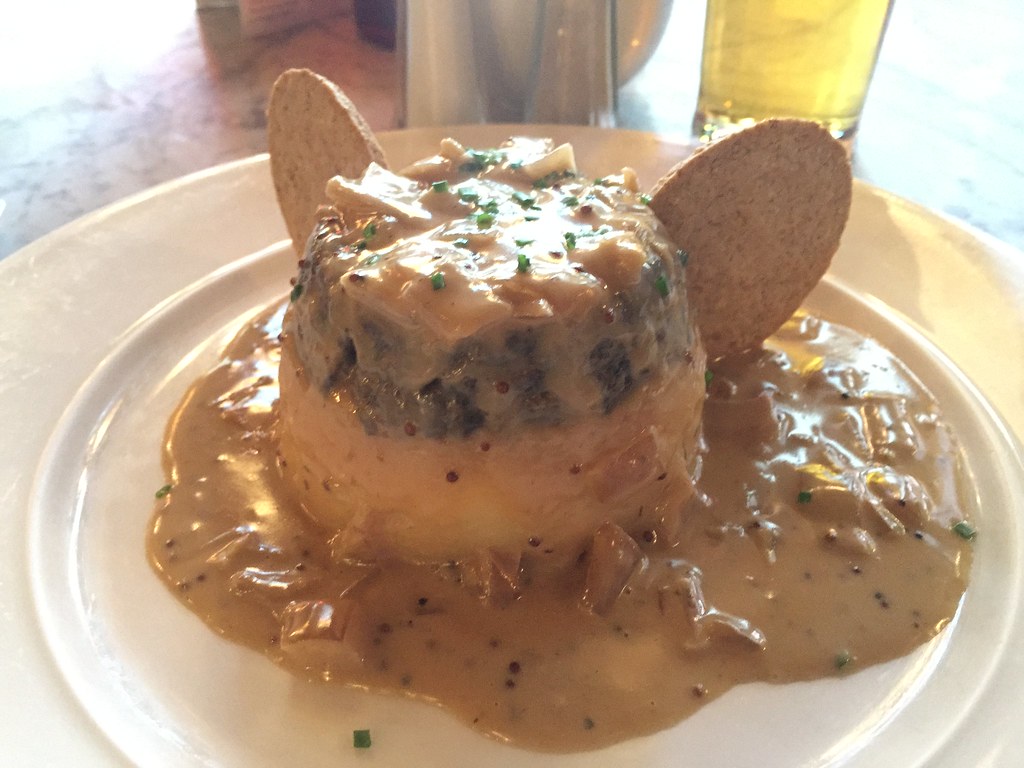
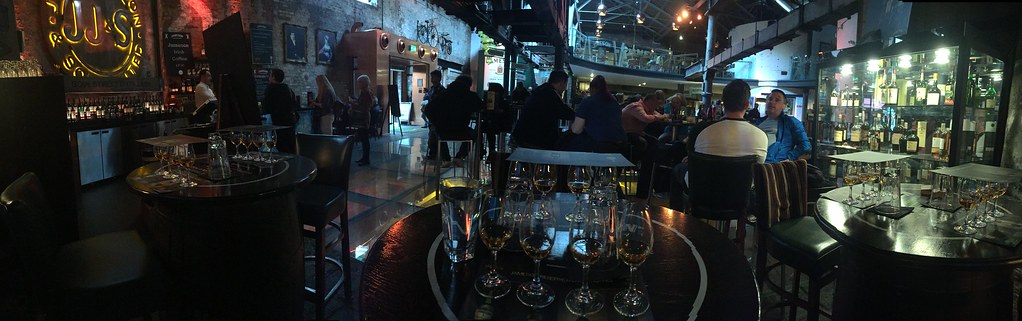
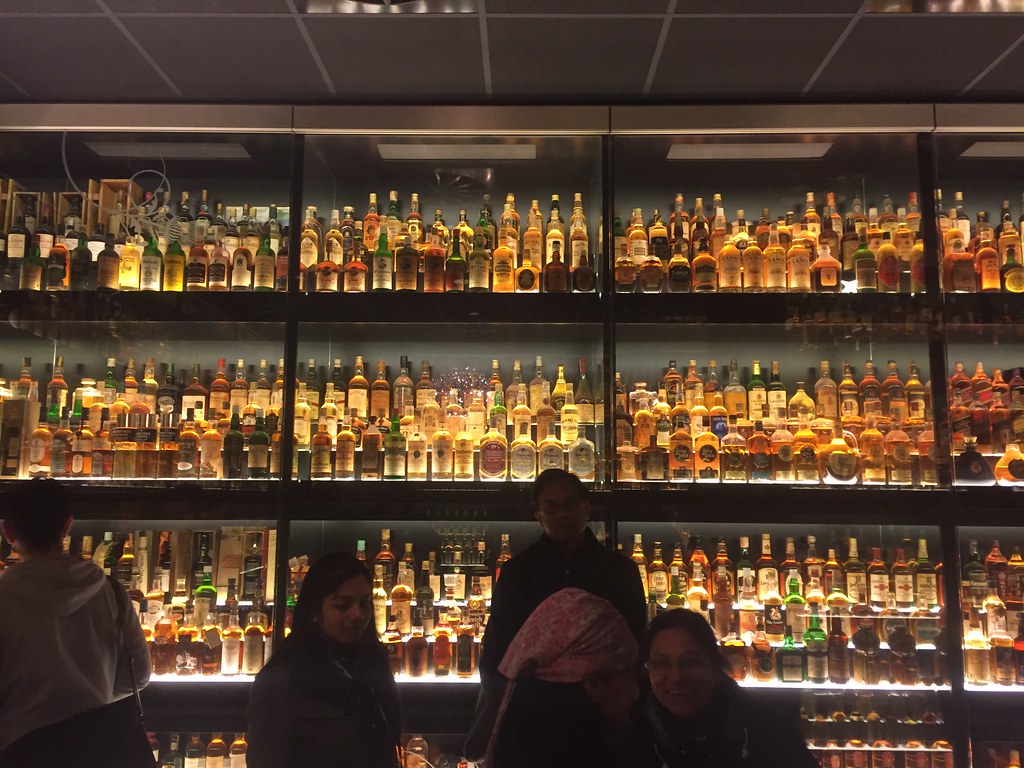
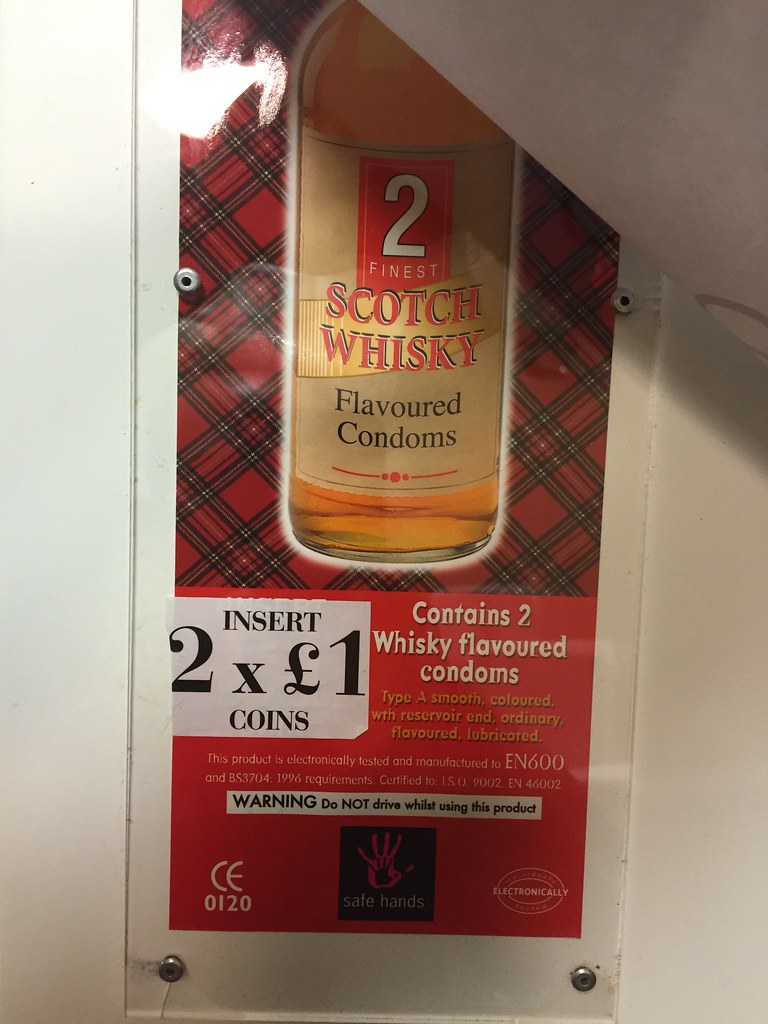
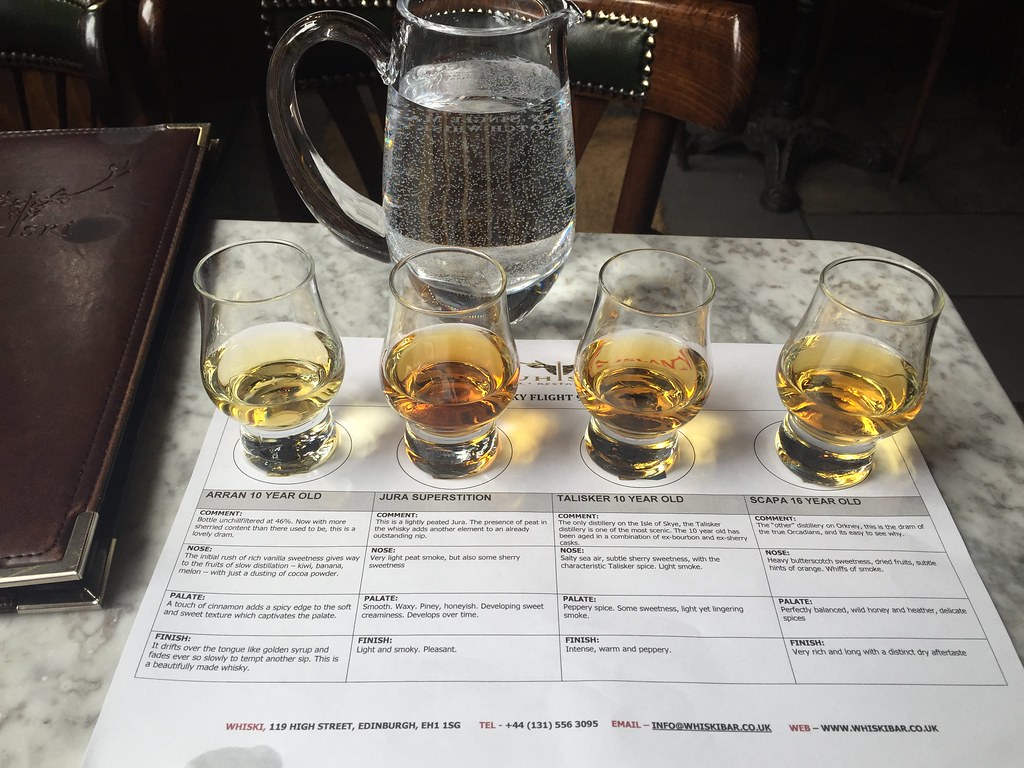
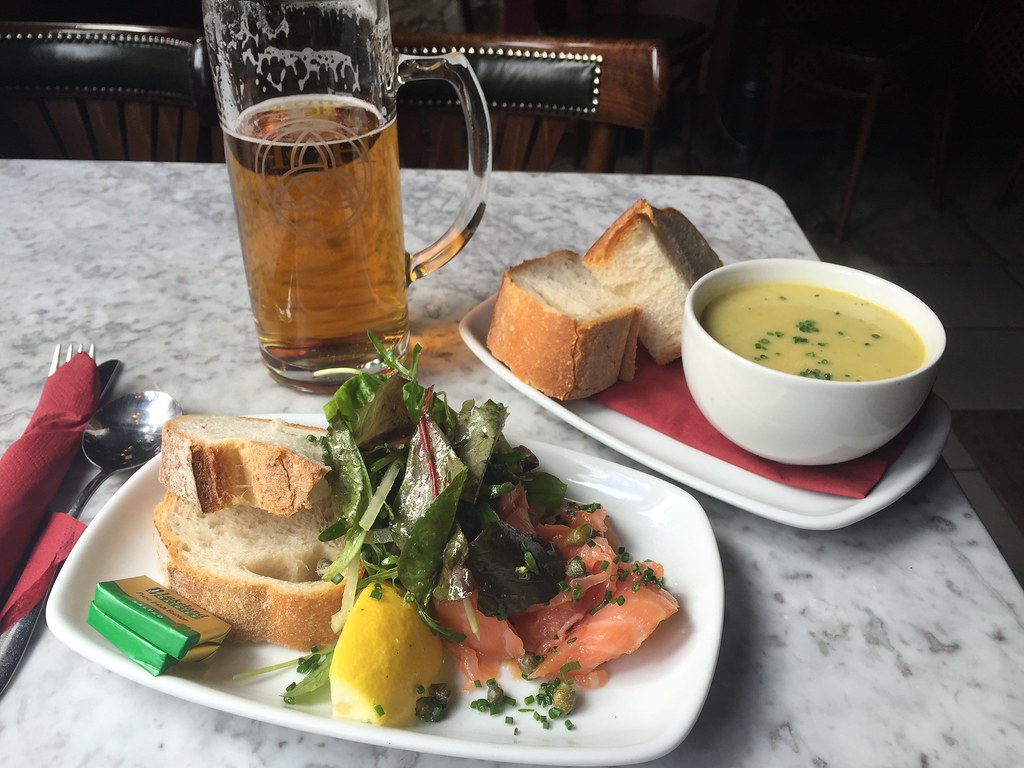
On my last night in Scotland I decided I have to have an authentic Scottish meal before I head to Paris. So naturally I went to the local whisky bar (called the Whisky Bar) and ordered a plate of haggis and a glass of 12 year Cragganmore Scottish whisky. The haggis was really good despite what it is made from. And the whisky was wonderful as always. I really like this pub. It’s very authentic and has live traditional music every night although I wasn’t able to hear it because it doesn’t start till after 9 and I decided to go see more jazz at the Jazz Bar down the street.

This week I’ve been reading “Gypsy Jazz” by Michael Darengi. What a well written book! It is getting me so excited to be in Paris. Not only is it exactly what I wanted for studying Gypsy Jazz and the culture behind it but It talks a lot about places in paris where the music came from so I know exactly where to go to see the music when I am there and the places to go where Django Reinhardt grew up and played. Darengi talks about his trip to Paris to discover all he could about Django and his culture. So he walks you through his whole trip and the history behind each place he went. A great look into old world Paris. It has been really great to read this back to back with “Making Jazz French”. So many connections between the two that are creating a strong base for my studies in Paris.

On the first page of Gypsy Jazz Darengi gives a wonderful description of this style of jazz.

This jazz is joy made song. Alive and iridescent, it swings with effortless intensity, transcending the everyday world. Yet it’s also infused with bittersweet spirit, nostalgic, melancholic, something nameless and impossible to articulate in anything but music. Within the melodies and strophes of improvisations resound an emblem of people. An emblem, and a history. Here is the legend of the Romani in music, leading back a millennium, stretching across continents. These melodies are fully modern, yet ancient and ageless (pg. 7).

Darengi had me hooked from page one, describing everything I felt but didn’t understand in this beautiful music. And then he goes deep into the culture behind it, giving the reader a greater insight as to why gypsy jazz sounds the way it does and makes you fall in love with it even more. I am so looking forward to visiting the outskirts of Paris to find where this music originated. To be able to listen to gypsy jazz in the same cafes and dance halls where it was born. What an incredible experience!

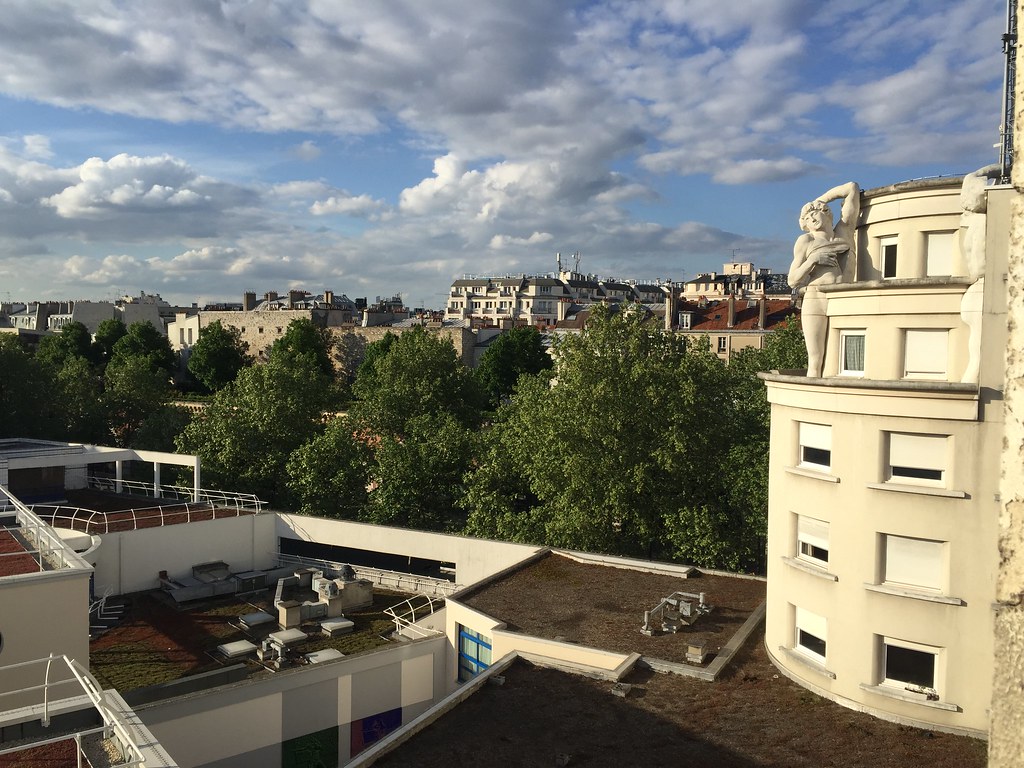
I flew into Pais this afternoon from Edinburgh and wow….. It is so good to be here but I am so stressed out! I totally underestimated my ability to speak French! Buying a loaf of bread was a whole crazy and difficult experience in itself and now I get to spend three weeks here. I know I will adapt but for right now I will have to trudge through town doing my best to break down this barrier of language in front of me. Not that the language barrier overshadows the awesomeness of Paris of course!

My suitemate here at the are BnB is great! I think he is from Spain, but I’m non sure. I haven’t asked yet but Spanish is definitely his first language. He greeted me at the door and showed me around this tinny apartment, then told me a bit about the area. Let me know where the nearest grocarie store, cafe, and bar were and got me all settled in. I am looking forward to getting to now more locals. The French I have met around town seem to be pretty cold but I think that’s just because I come off immediately as a stupid American. But I hope to change that as soon I get comfortable here. I know they aren’t all cold people because I met some really wonderful French people in Scotland. Very willing to make great conversation and share with me their time.

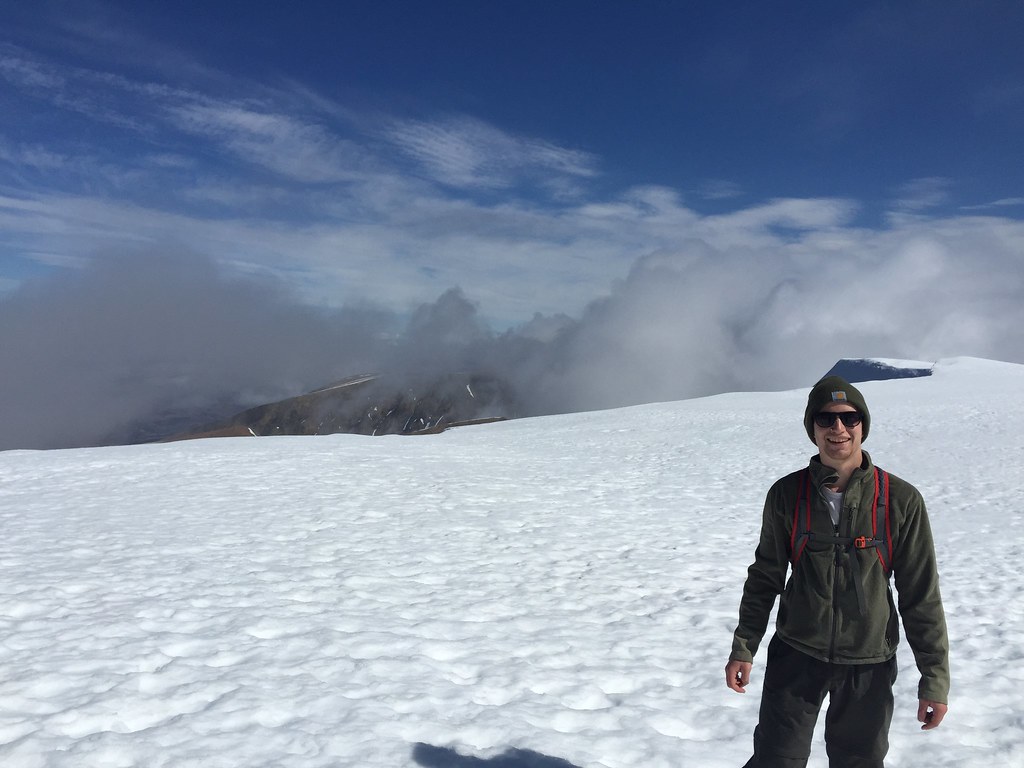
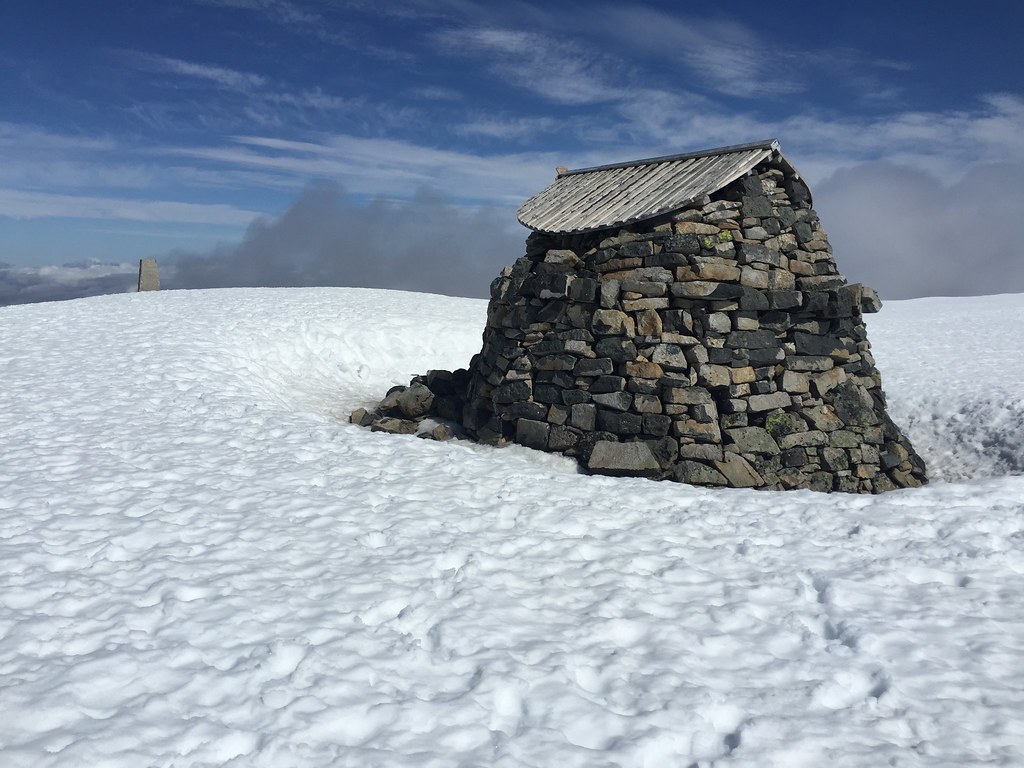
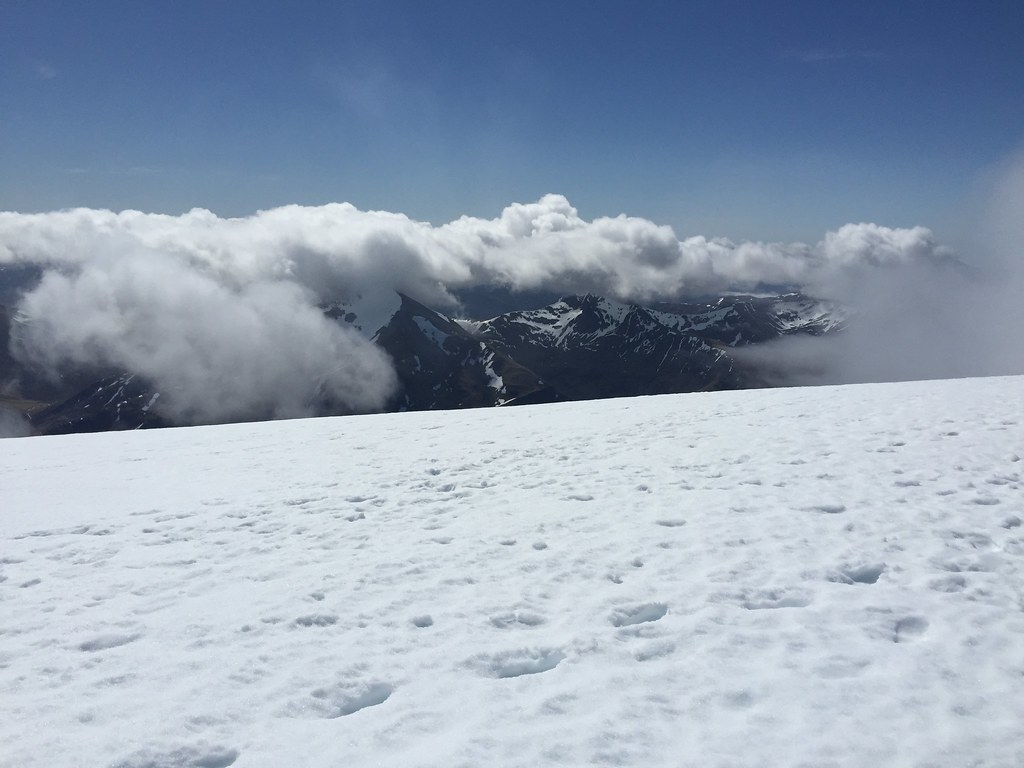
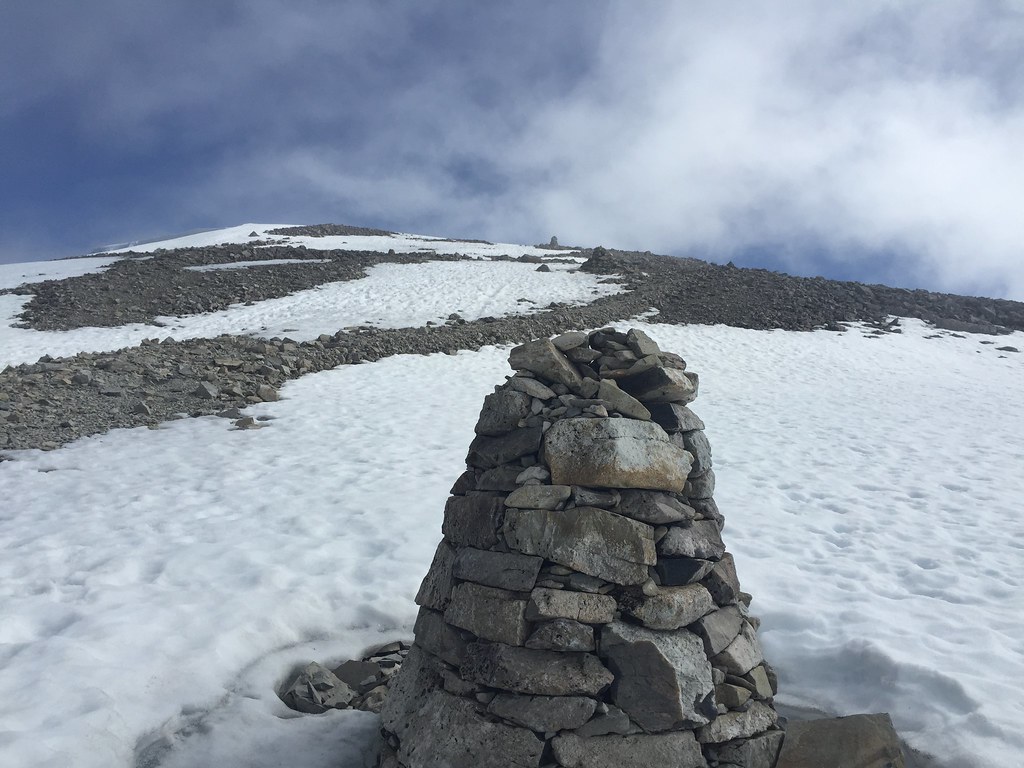
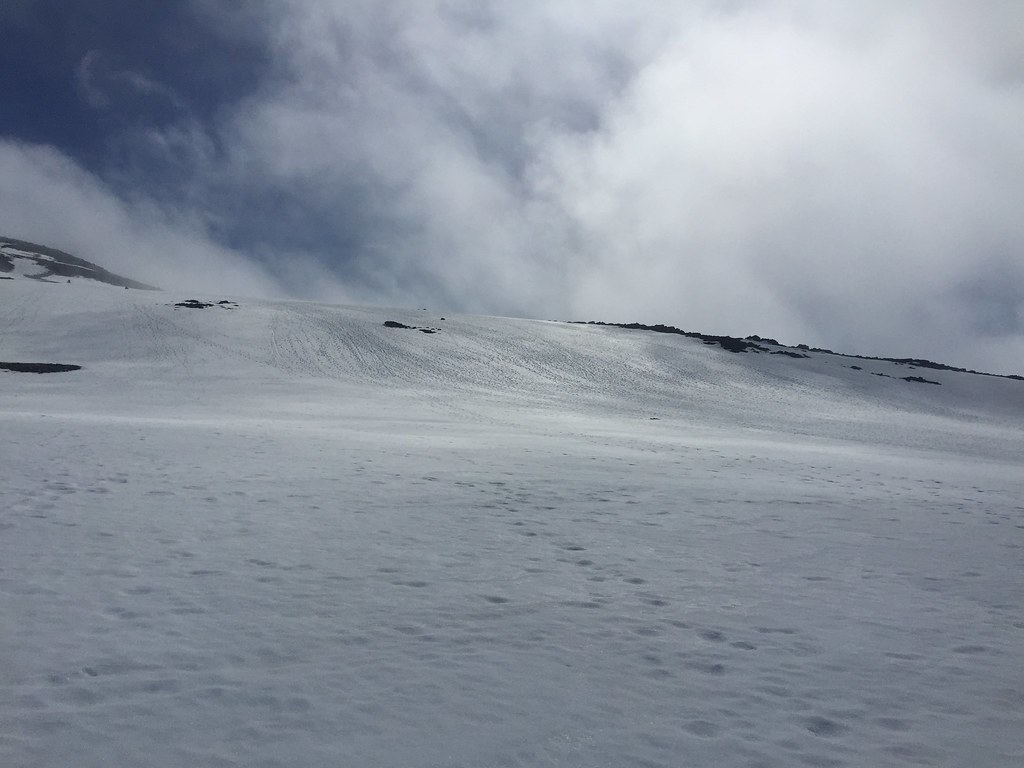
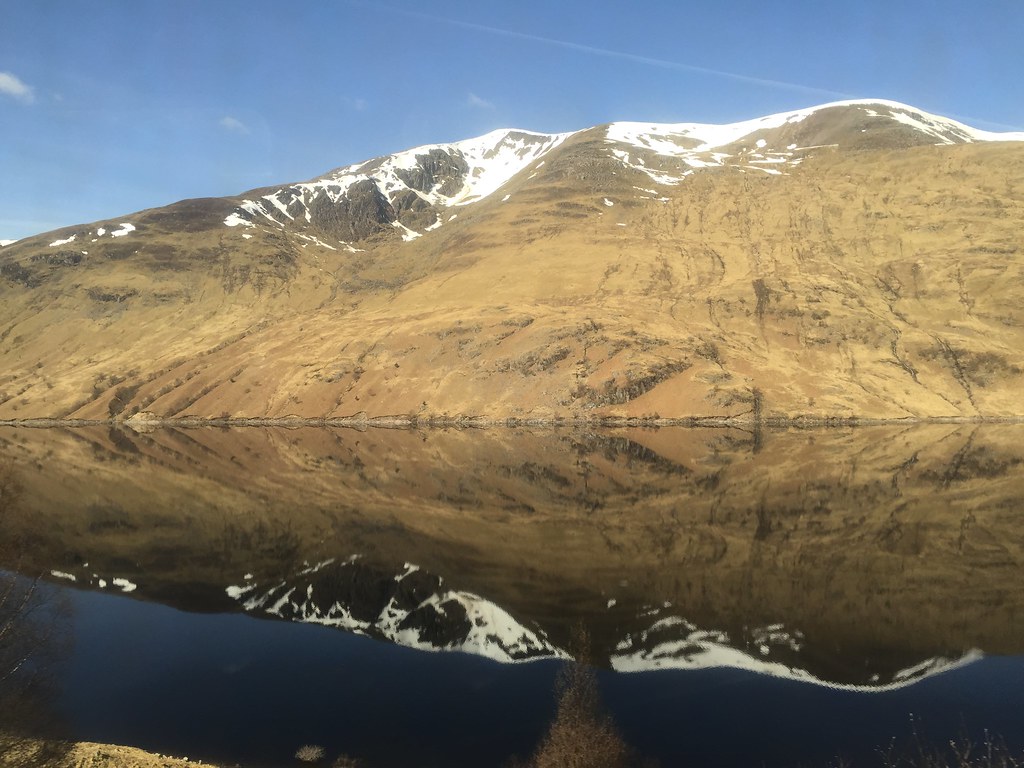
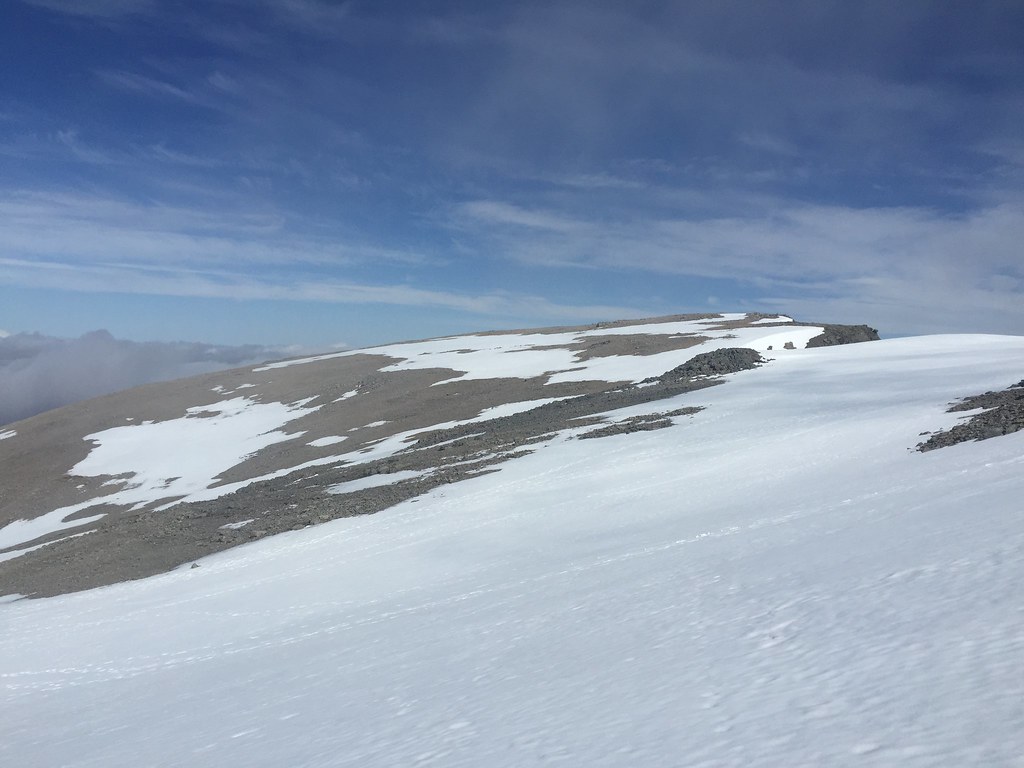
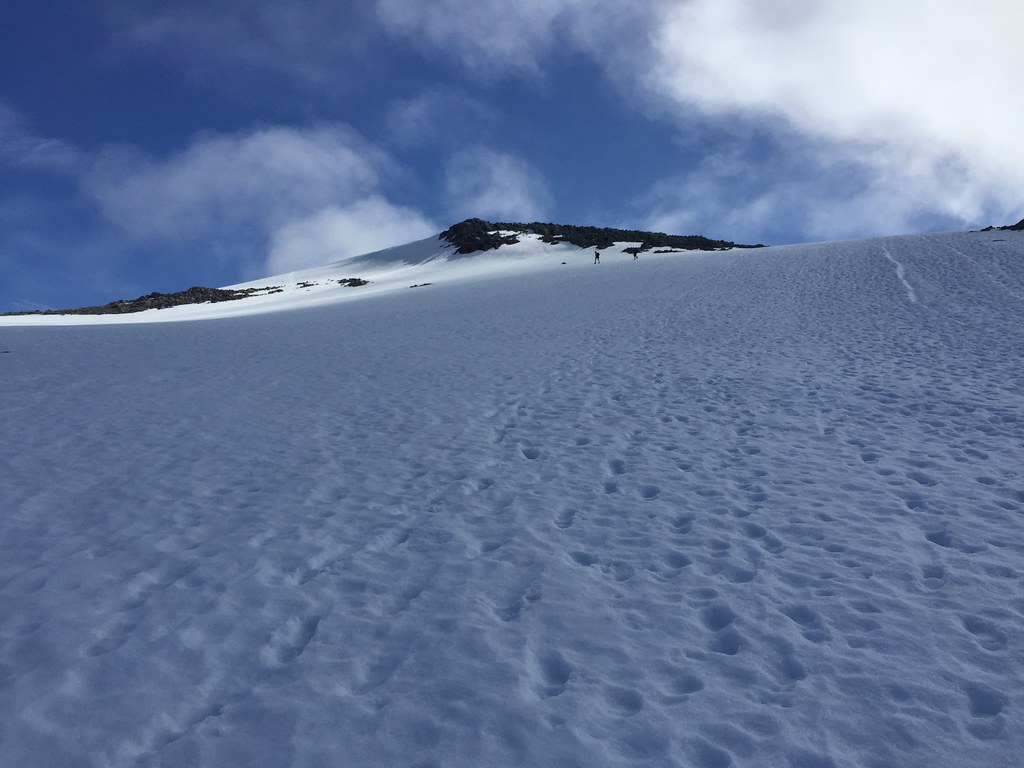
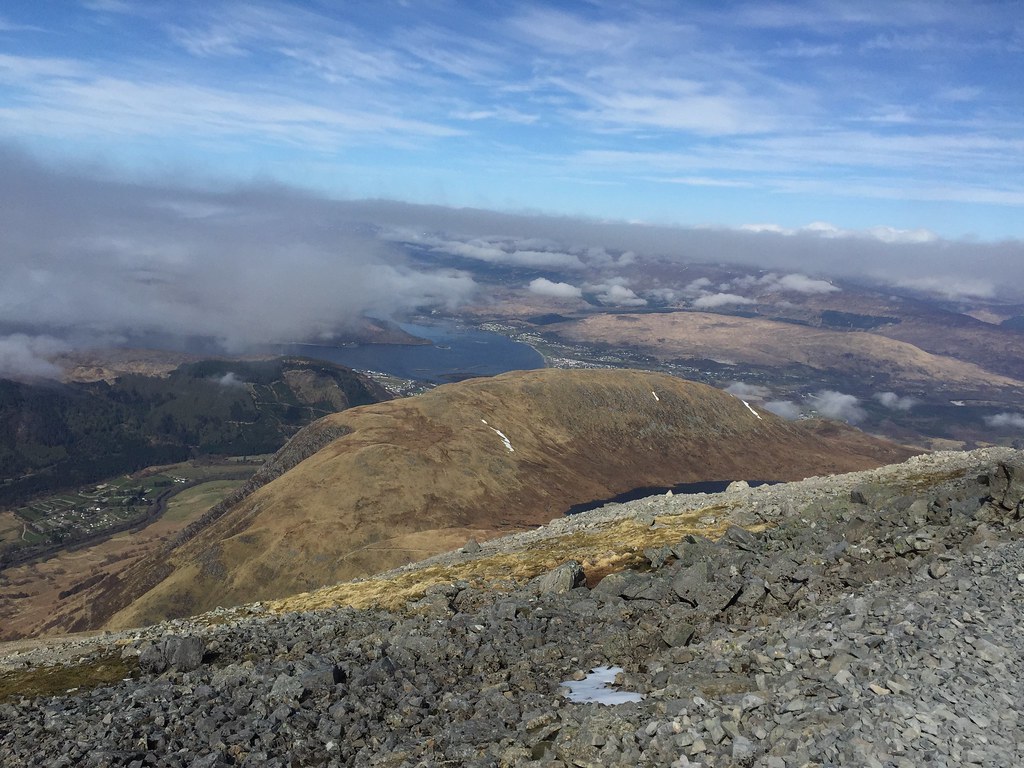
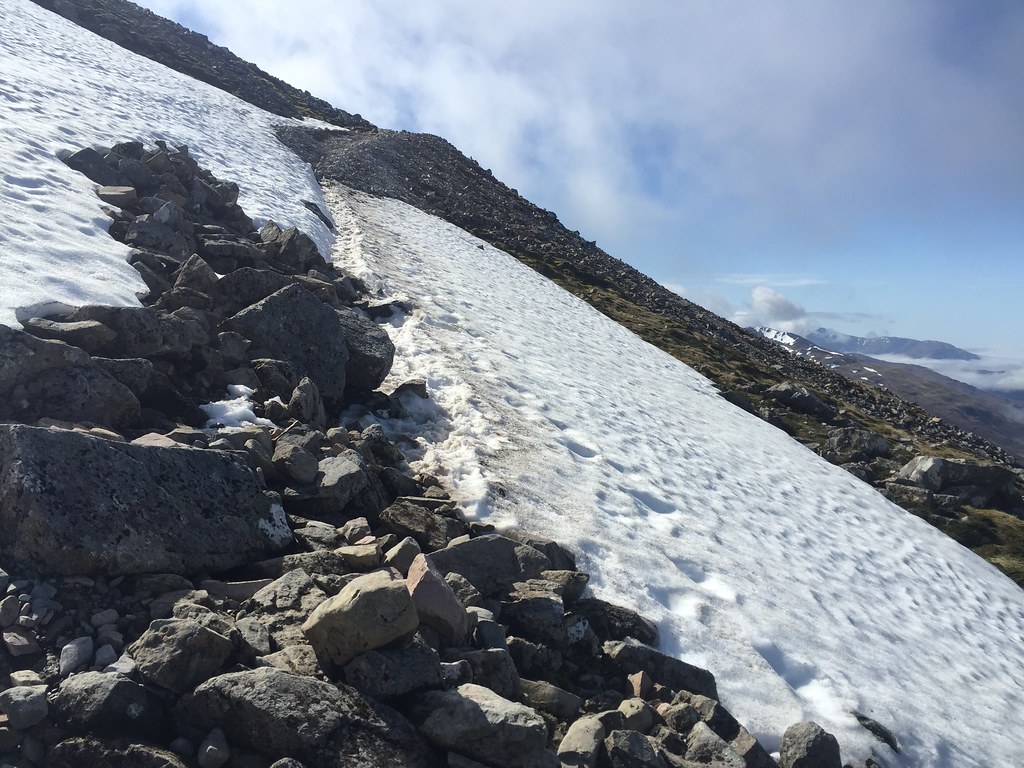
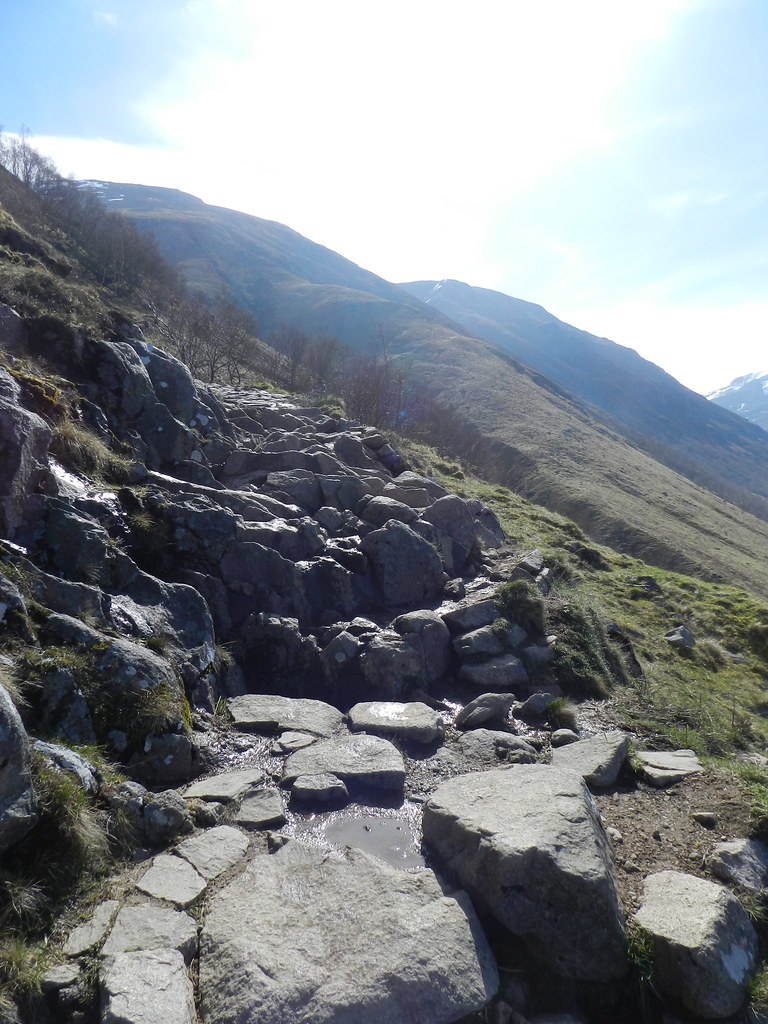
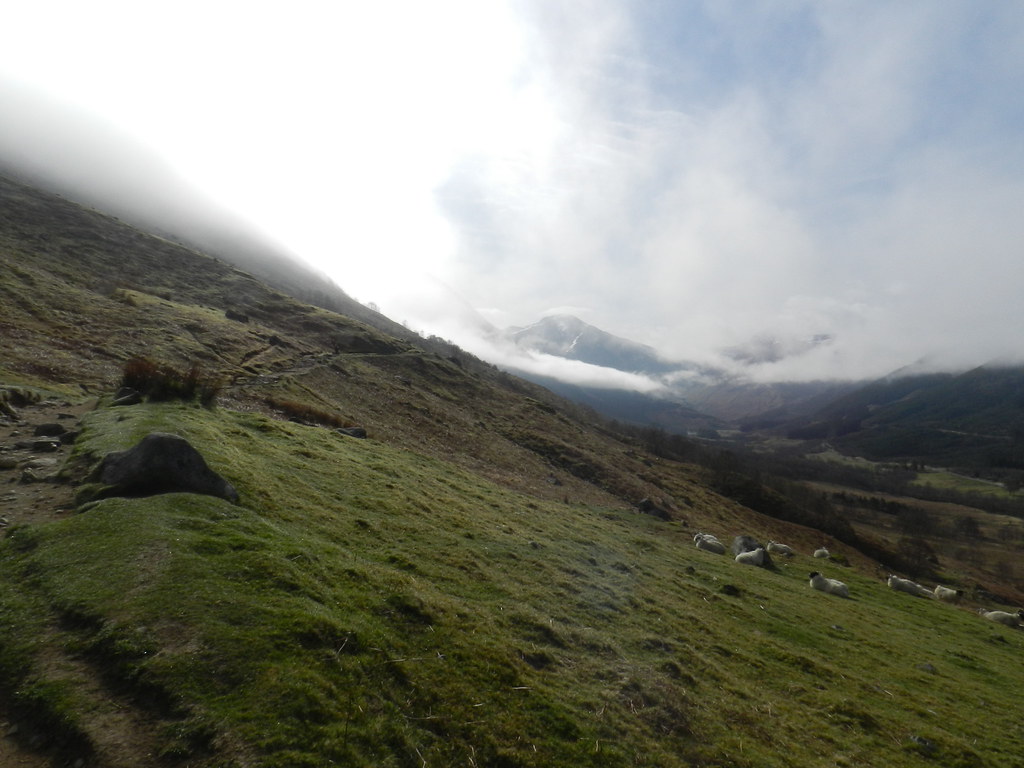
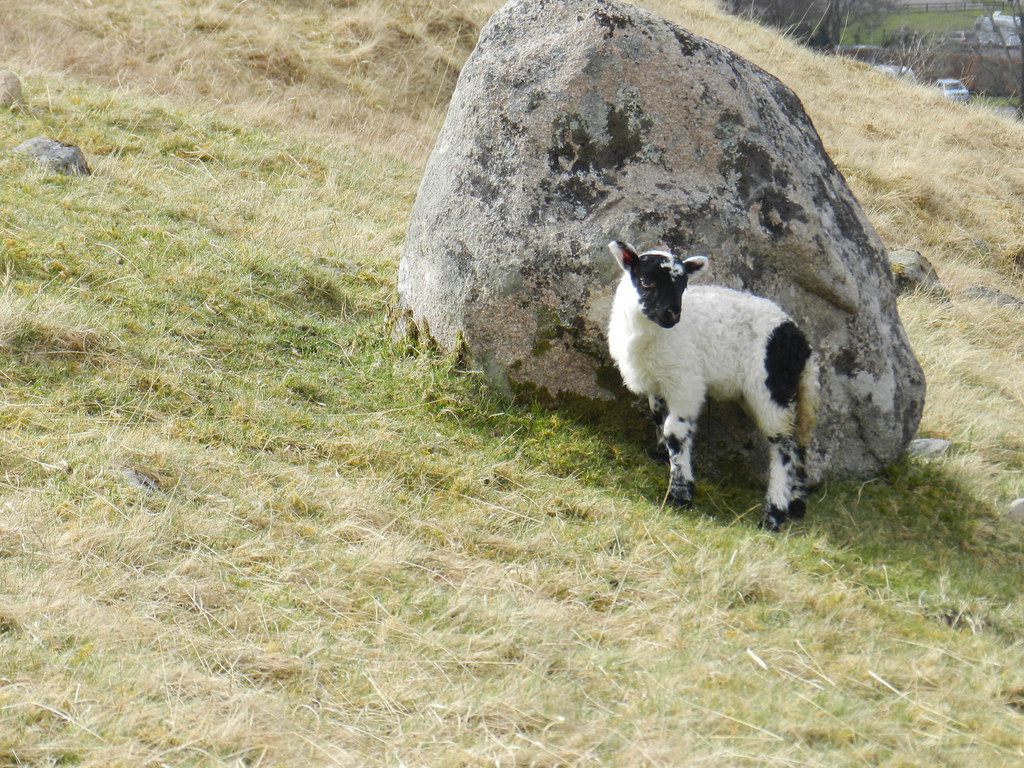
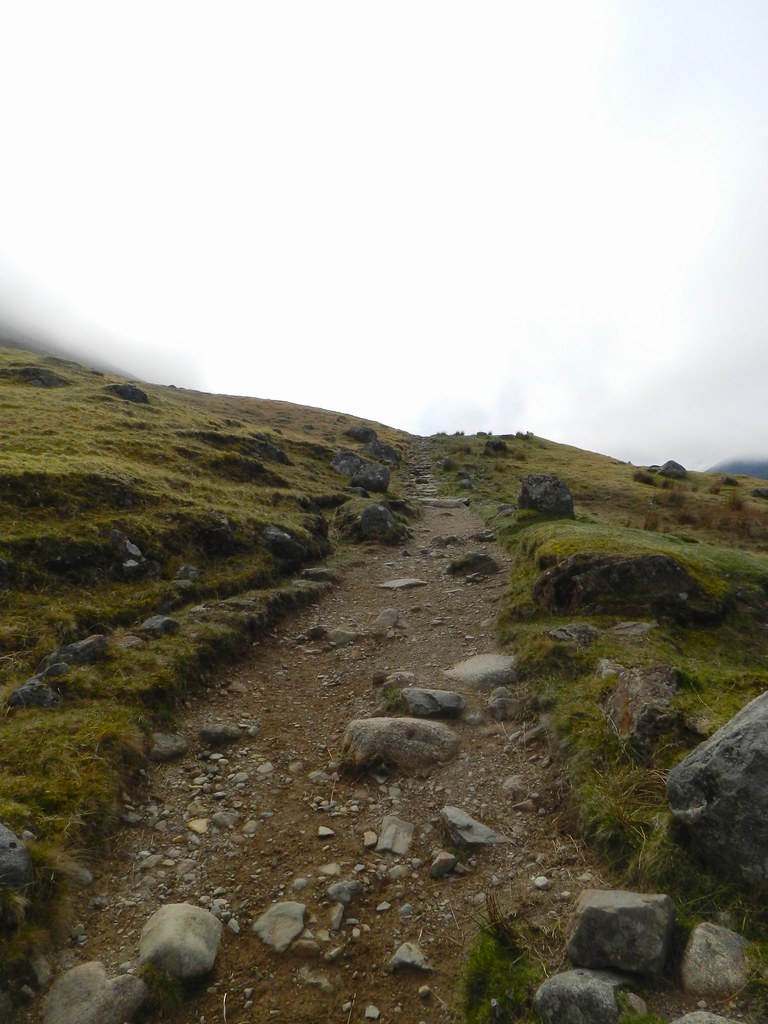
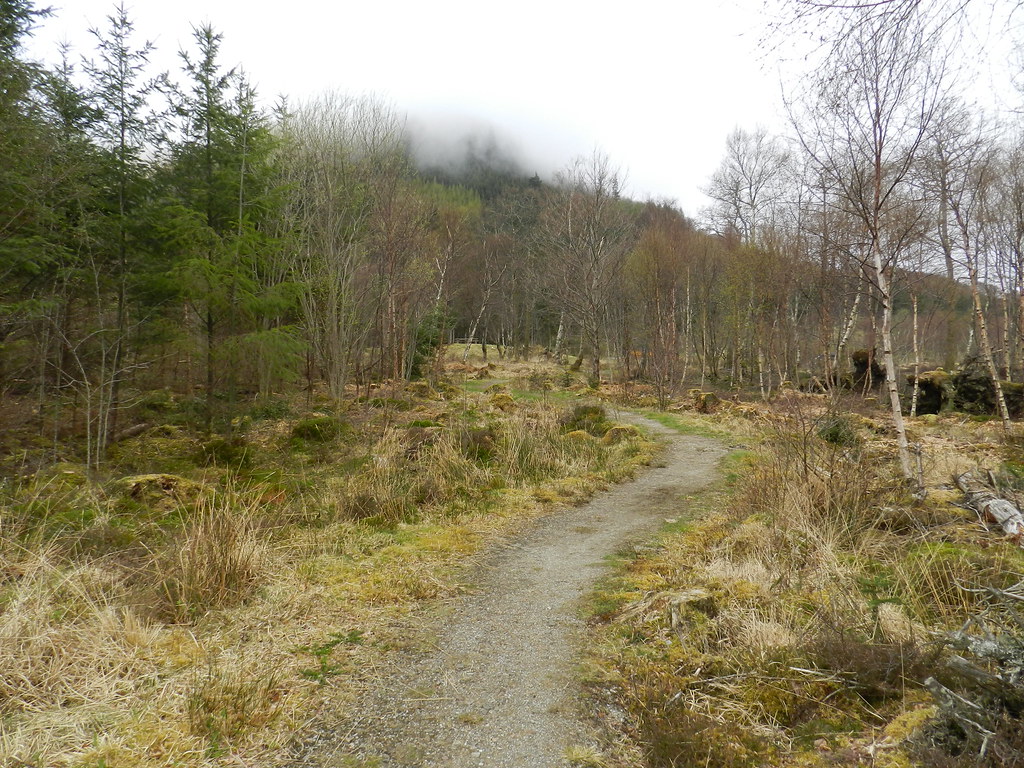
While I was in Scotland I had the opportunity to go on possibly the cooled hike I’ve ever been on! It was on Ben Nevis, the tallest peak in the UK. I saw the most amazing views and met some great people.

I cant seem to get any photos to upload but I’ll figure out what is going on soon hopefully. But you can see a bunch of them on Flicker.

Until next week!

I soon will be in the the windy city

I am anxious, I am ready and most of all, I am excited. On Thursday of this week, I will be flying to O’Hare Airport in Chicago to start my ten day endeavor. I have finally established a good weekly work schedule in Olympia and now I have to leave and go start a whole new one with limited wifi and an  unpredictable screen. I am sitting in the library and I am seeing my regular library faces that I have been recognizing over the past four weeks. I am feeling slightly nervous about what is ahead of me. I am going to enter a city that I have been to at least ten times, but only to the tourist spots and with my questionably fun extended family. I just hope that I can feel somewhat at home and assimilate myself into the city and the public transportation  sooner rather than later.

This week I am focusing on House music. While House music is often misunderstood to be originated in Europe, it is a true product of Chicago. In doing quite a bit of article reading over the past four weeks, I have been able to conjure up a sort of timeline and lineup list of the important players in the Chicago House music scene that started in the late seventies and on. It is crucial to my personal understanding that I have a clear idea of al of the individuals involved. I often would pull up Google Maps and get an idea of the locations being mentioned so I can get a true visual without having to imagine it.  I have started to read my book for the week, an autobiography titled, House Music… The Real Story by Jesse Saunders, the semi self proclaimed “first house music DJ”.  So far, it is an easy read and Saunders proves himself to be an emotional, but humorous writer. Sometimes he just restates everything he is trying to say for paragraphs at a time, but I am taking it as a sign that he is simply very passionate about his craft, and not so great at being concise. I am glad really glad that I am able to read about House music from an insider’s perspective and not some journalist and professional enthusiast. Not to say that I don’t enjoy writings from those mentioned, but getting to hear about the relationships and internal happenings in the house music scene from someone who was in the center of it is really remarkable to me. I look forward to finding out the “real story” behind the some of the most amazing, innovative music on Earth.

Yesterday, I watched Pump Up The Volume which I believed to be a movie about Chicago House music, but really went over a range of cities and styles of dance music at the end of the documentary. It was all worth seeing though, because it gave sort of a world wide perspective of how Chicago House music transformed what a music community meant around the world. People all over were coming together to listen to House music and that tradition has continued today in much more commercial settings such as dance oriented music festivals and raves. Sadly, the way in which this community gets together is now changing, in my opinion, for the worst. There are countless reports of young adults and teens dying or having life threatening reactions to the types of drugs that are being taken at raves and dance clubs is unprecedented. When House music clubs first started, they usually served water and juice. People could drink alcohol if they choose, but it was never the center of the experience. Not to say that drugs weren’t present at the early House music clubs, they certainly were, but  again, not the center of the experience.

I finished my book from last week, Chicago Blues: The City & The Music and I must say that the Blues industry and community was just as exhilarating as the music. The relationships between the artists, and especially the artists’ relationships with the business people handling their careers interested me the most. Blues artists are notoriously known for being ripped off in multiple ways, despite their fame and following. One aspect that I was interested in was the record labels that were responsible for making Chicago Blues known to the public. One label that piqued my interest especially, was Chess Records started in the South Side of Chicago by brothers Leonard and Phil Chess. Artists like Muddy Waters and Willie Dixon were on the roster for quite a long time and other big name bands like The Rolling Stones have recorded there. At one point, there were over 100 names on the Chess Records artist roster, and nearly all of them were getting completely ripped off in their label deals, and paid nothing close to the amount that they deserved. I am on a mission to find out more about Chess Records and the story behind the label that supported but also betrayed it’s artists.

Oh Eisenstein

Oh Eisentstein,

Sergei.

Keeper of form and more.

Through dialectic imagination

With my mind you mop the floor.


Oh Eisenstein,

I do pray

To one day understand.

Tricky is your explanation

Of montage, slight of hand.

— — — — — —

In his book Film Form Sergei Eisenstein argues, in a dozen essays written between 1928 and 1945, that it is montage that is the highest form of expression within cinema and further more that it is cinema that is potentially the most expressive of all the arts. In the essay Methods Of Montage, written in 1929, he attempts to chronologically categorize and define the types of montage of which he sees five.

The first, Metric Montage, is a type of montage that relies solely on the rhythmic qualities of music, translated into film as the duration of shots. He poses that though it is effective in generating a simple excitement in what he describes as “the more impressionable members of the audience”, when Metric montage is used in a complex way to express something more intelligent (less subconscious) its effect is lost. He claims that the highest level of expressiveness that Metric Montage could achieve is “the same as that of a percussion and brass band playing a simple tune”.

In the second, Rhythmic Montage (confusing, I know…), The duration of the shots are not only determined by the physiological effect of their rhythm but also by the effects of thephysical rhythm of their content. Many movements that generate their own sense of rhythm may occur within a single shot. As Eisentein puts it, “Here, in determining the lengths of the pieces, the content within the frame is a factor possessing equal rights to consideration.” This form of montage has been mastered by many experimental animators and is the basis for abstract visual music.

His third, Tonal Montage, implies that montage can be made from the characteristic features of the shots This is similar to rhythmic montage but, instead of considering some moving parts within the frame, one would consider the overall feeling that a shot produces. He says, “If we give the comparative and emotional designation of ‘more gloomy’ to a piece, we can also find for the piece a mathematical co-efficient for its degree of illumination. This is a case of ‘light tonality.’ Or, if the piece is described as having a ‘shrill sound,’ it is possible to find, behind this description, the many acutely angled elements within the frame, in comparison with other shape-elements. This is a case of ‘graphic tonality’.” He goes on to say, “Tonal montage grows out of the conflict between the rhythmic and tonal principles of the piece.” Though it was defined in 1929, this is the form of montage that pervades cinema today. Through acting, scene, and rhythm tone is woven into dramatic tapestries of emotions and events.

Fourth he describes Overtonal montage. Imagine a piece with an overarching triumphant tone. This can be considered the principle tone. Within that piece one might sprinkle moments of uncertainty and doubt. These moments would function as a dissonant overtone that would generate a tension that would make for a more satisfying resolve (just as in music). The collision between these two elements generate an overtonal montage.

The fifth and most confusing progression of montage is Intellectual Montage. Here conflict arises between the juxtaposition of two ideas. What comes to mind is the music video for Devo’s song Beautiful World. Here the viewer is first shown a series of clips from the public archives of people being very happy and rich. Then they are shown a series of clips of people suffering. Then these are shown alternating. The effect of the montage arises from the juxtaposition of these conflicting ideas and it is quite powerful. Though we occasionally see instances of intellectual montage in todays cinema it frequently takes a back seat to less intellectual pursuits of tonal montage.

With my film I hope to achieve tonal montage through an application of metric and rhythmic montage. I will exploit the exciting qualities of metric montage and will insert into that framework a rhythmic montage that suits the constraints of the meter. I will use compositional juxtapositions within the shots of light and form to generate conflict. And, if successful, I will go one step beyond my goal to create an overarching tone that is in conflict with momentary tonal qualities within itself, or as Eisenstein would call it, Overtonal Montage. But Intellectual montage is not my pursuit. I do not wish to create a pedagogical piece of information for the viewer to watch and understand but instead I hope to create something more abstract. Something that someone might be able to relate to something specific and special to them. I hope to resonate within the viewer with their individual and personal perception. I hope to help them better understand how they see the world by abstracting the definite qualities of the world into montage.

4. Groove Interrupted

The past few weeks I have kept myself occupied with planning, reading, reflecting, tire and oil changes and listening to a lot of jazz music. Now the time has finally come – tomorrow night we begin this excursion through the south. All of us on the trip have been assigned jobs – because we are taking my car, I was in charge of making sure it’s in good condition to drive across the country and back. Daniel is in charge of making CD’s (yes, I still use CD’s) and he’s sleeping all day tomorrow to take the first leg of the drive. I’m putting Rachel in charge of the snacks and since Laura is our host once we make it to the south she’s off the hook. Our original plan was to stay in a hotel on Bourbon Street – but we collectively decided to spend our money elsewhere and stay just outside of the French Quarter. We have some concrete plans for once we get there but I’ll write more about once we’ve arrived. I’m giddy with anticipation – so much so that I’m listening to Henry Allen as I write this blog entry and am unsure of the amount of sleep I will get tonight.

In addition to the logistics of car safety, packing and planning – this past week I read “Groove Interrupted” by Keith Spera. Spera captures both the elation and the heartbreak of post-Katrina New Orleans through the stories of some of the city’s best musicians. Aaron Neville returns to New Orleans for the first time after Hurricane Katrina to bury his wife. Fats Domino improbably rambles around Manhattan to promote a post-Katrina tribute CD. Alex Chilton lives anonymously in a battered cottage in the Treme neighborhood. Platinum-selling rapper Mystikal rekindles his career after six years in prison. Jazz trumpeter Terence Blanchard struggles to translate Katrina into music. The spotlight also shines on Allen Toussaint, Pete Fountain, Gatemouth Brown, the Rebirth Jazz Band, Phil Anselmo, Juvenile, Jeremy Davenport and the 2006 New Orleans Jazz & Heritage Festival (which just happened this past weekend in NOLA). I felt really inspired by a lot Alex Ross while reading this book and listened to these artists each time they were introduced. I was surprised at how many I had heard before not knowing who they were.

Although my research questions have been changed due to my change in travel plans – there is one question I am still very interested in pursuing and that is how has the history of New Orleans influenced the soundscape of the city?  Further – How has the culture, both historically and in present day, influenced the music scene? And finally, what have been the major contributions to shaping the cultural soundscape of the city?  This series of questions was inspired by a quote from Alex Ross’ The Rest is Noise “Articulating the connection between music and the outer world remains devilishly difficult. Musical meaning is vague, mutable and, in the end, deeply personal. Still, even if history can never tell us exactly what music means, music can tell us something about history.” (Ross)

Hurricane Katrina was a pivotal moment in the history of New Orleans. The lives of loved ones were lost, homes, occupations – all gone. Everyone in the city was affected. Musicians used music to cope – whether it was to remember the tragedy, to provide hope or to simply escape – the reality is that hurricane Katrina provided an interesting opportunity for the musicians of New Orleans to report out in such a unique and intimate way.

I once took a creative writing class and one of the assignments required that I write a creative piece based off of a picture that was chosen for me. I ended up with a photo revealing the unimaginable devastation of hurricane Katrina. I knew the only way I would be able to write something out of this photo was to go and read real stories of Katrina survivors.  I spent hours reading newspaper articles, and excerpts from books. Reading Groove Interrupted exposited a lot of the same devastation but this time, through the lens of music. In a city that’s foundation is built on music, what better way to rebuild it than with music itself?

The more I read about this place, the more magical it has become in mind. I am grateful for de Botton’s humbling words in The Art of Travel. There is a part of me that doesn’t even want to go to New Orleans because I’m afraid of being disappointed by what I find there – that it’ll just be a tourist trap or that it will be so far from what I’ve read about. Thankfully that part is really small and that the season of anticipation is coming to a close. Next time I update this blog, I hope to be saturated in the rich culture of New Orleans. Laissez les bons temps rouler! (or “let the good times roll” in french) 


« Older posts Newer posts »

© 2026 Musical Cities
The Evergreen State College
Olympia, Washington

Log inUp ↑